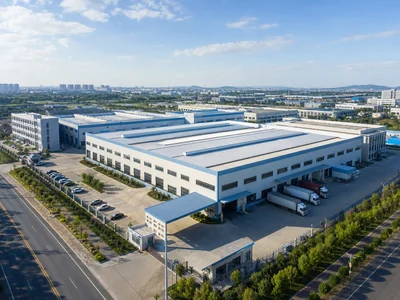
Berun Active Wear —
Activewear Factory Since 2017
Single 8,500 m² facility, 280 workers on one payroll, 12 production lines. Serving sportswear brands, gym chains, and DTC startups across North America, Europe, and ANZ.
Since 2017
Single Payroll
Facility
What Berun Produces and Offers
Full OEM and ODM activewear production in one facility — from pattern to finished garment.
Product Families
Berun manufactures across four main categories — training and performance (leggings, sports bras, joggers, compression), athleisure (tees, hoodies, jackets), team and club (jerseys, warm-ups, team sets), and outdoor and running (windbreakers, tights, singlets) — plus accessories produced in matching fabric and colorways.
View All ProductsProduction Services
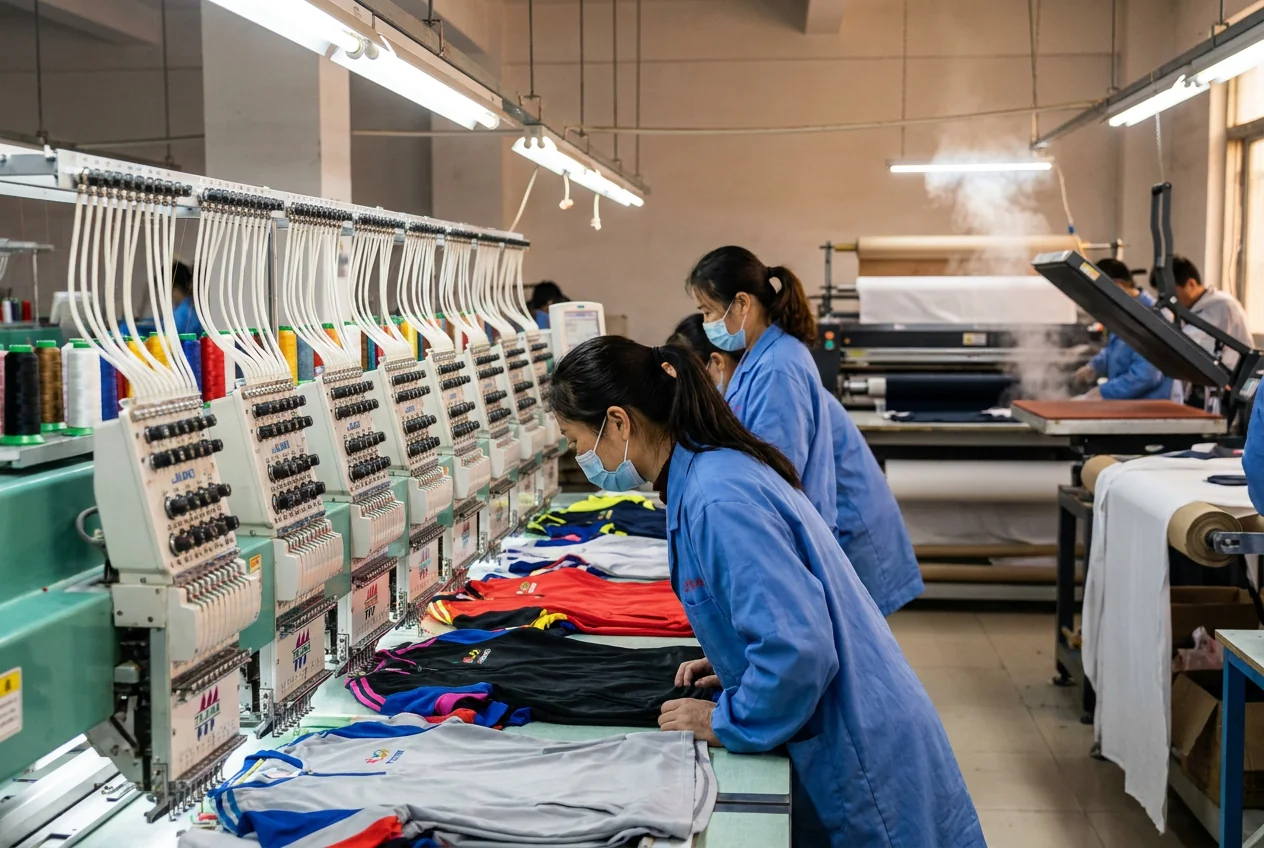
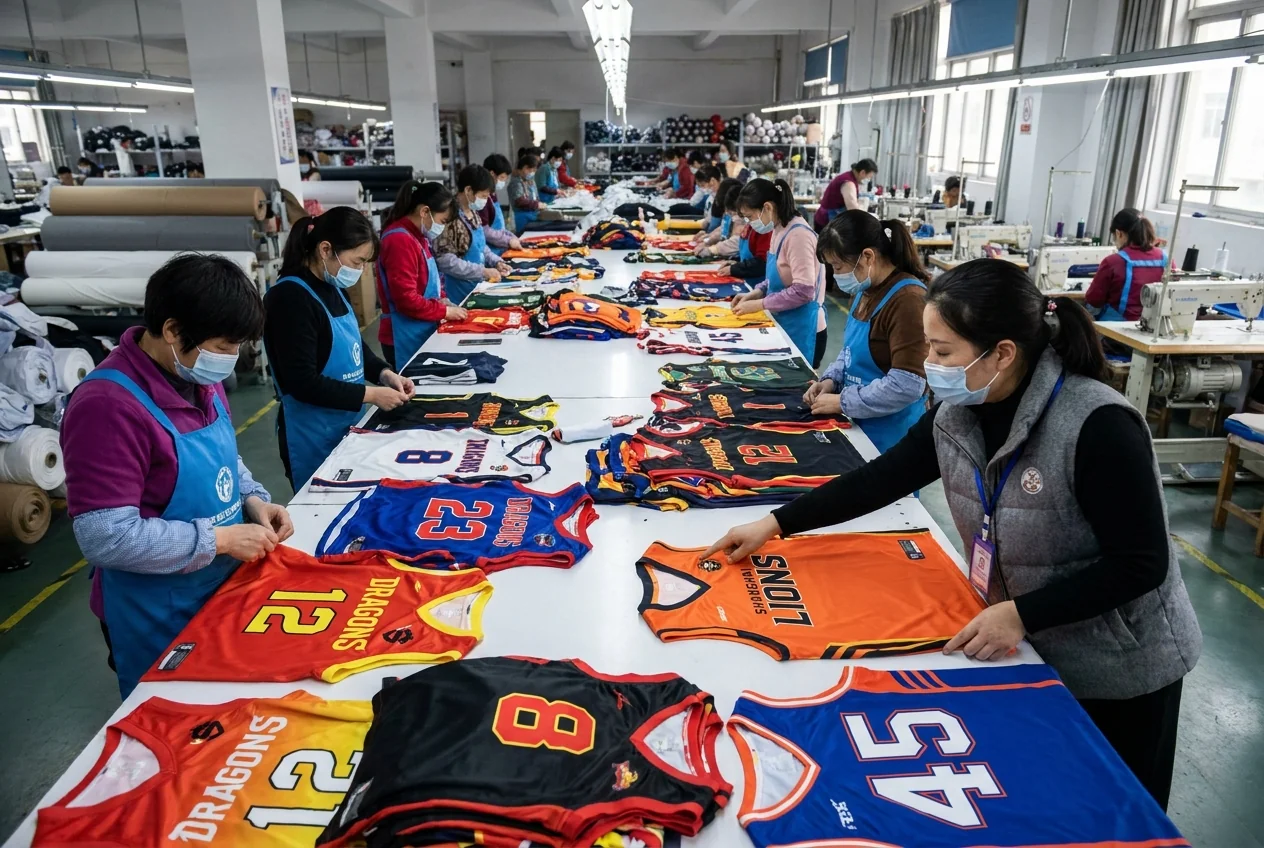
Core services: OEM cut-and-sew, ODM style development from Berun's library, private label (branded hangtags, care labels, polybag, carton), sampling, in-house print and embroidery (six techniques), team customization with roster-driven numbering, tech-pack and pattern work, and wholesale programs.
View All ServicesBerun Factory History: 2017 to Now
Eight years of documented expansion — every milestone on the record.
Berun opened with three cut-and-sew lines focused on performance leggings and sports bras for North American wholesale buyers. The founding team came from sportswear manufacturing backgrounds. Output in the first year was under 50,000 pcs per month, with a single customer segment and a tight product scope.
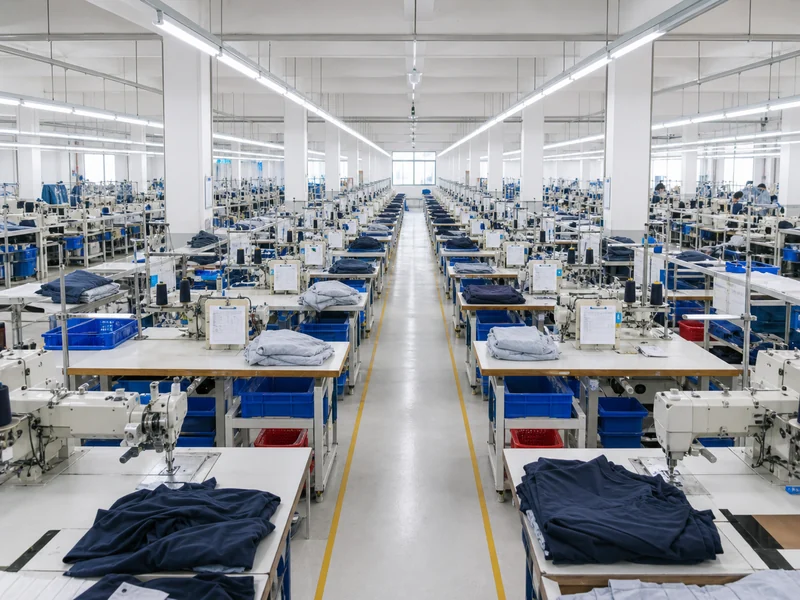
Production expanded to 12 lines — five cut-and-sew, four sublimation, and three team-set — with all lines housed in the current 8,500 m² facility. The sublimation department was added in-house, eliminating reliance on outside print vendors. Monthly capacity crossed 200,000 pcs. OEKO-TEX Standard 100 first certification obtained this year.
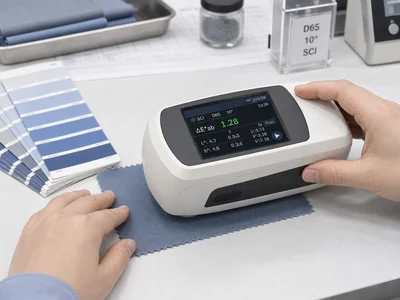
The in-house QC lab added spectrophotometric colorimetric testing, allowing incoming fabric measurement against approved lab dips at ΔE accuracy. OEKO-TEX Standard 100 renewed under certificate 23.HCN.74521, covering both fabric and finished garment harmful-substance testing. BSCI social compliance audit (BSCI-CN-2024-08-15) passed with no major findings.
WRAP Gold certification (WRAP-GLD-156823), GRS (CU 1014387 GRS-2024), and Higg FEM (HIG-FEM-2024-CN-08, score 82/100) were all completed in 2024, giving clients a full compliance documentation set for ESG supplier qualification. Monthly output reached 380,000 pcs across all 12 lines, with on-time delivery holding at 92.4% rolling 12-month average.
The Team Running Berun
Four department leads. Every order has a named person responsible for it.

Anna handles all inbound B2B inquiries from RFQ to bulk shipment confirmation. She responds to quote requests within 24 hours with confirmed service track, MOQ applicability, lead time range, and initial pricing direction. Clients with active orders reach her directly via WhatsApp or email for sample tracking, spec questions, and shipment status.

Marcus has managed activewear production scheduling for 15 years. He runs the 7:45 AM daily production board, allocating each of the 12 lines by ship-date priority and adjusting for material availability in real time. He coordinates the cutting, sewing, and finishing sequence to hold the 92.4% on-time delivery rate across all order types.

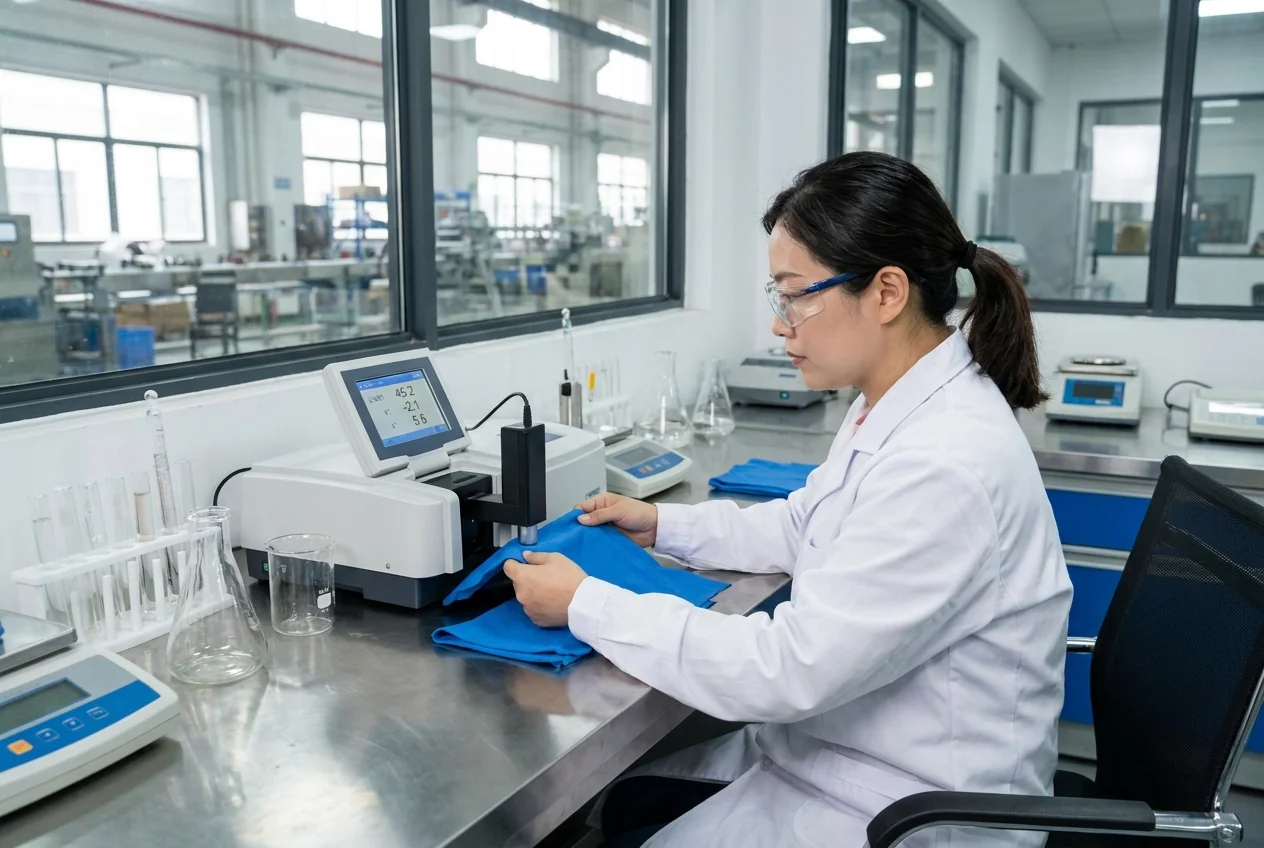
Jenny leads the 32-person QC team covering inline inspection on every production line and AQL 2.5 pre-shipment sampling on every order. She manages the colorimetric records for each batch — incoming fabric measured against approved lab dips (ΔE >1.0 rejected), and batch-to-batch reorder consistency tracked at ΔE ≤1.5 — and holds sign-off authority on all outbound shipments.

David leads the 16-person pattern and grading team. He converts client tech-packs into production-ready patterns, grades from XS to 5XL, and manages revision cycles at USD 40 per round with a 2–5 working-day turnaround per revision. New style patterns are typically completed in 7–14 working days from confirmed tech-pack.
The 280 People Behind Every Order
Four department leads run the operation. Behind them: 280 direct employees in one building — no subcontracting at any production stage.
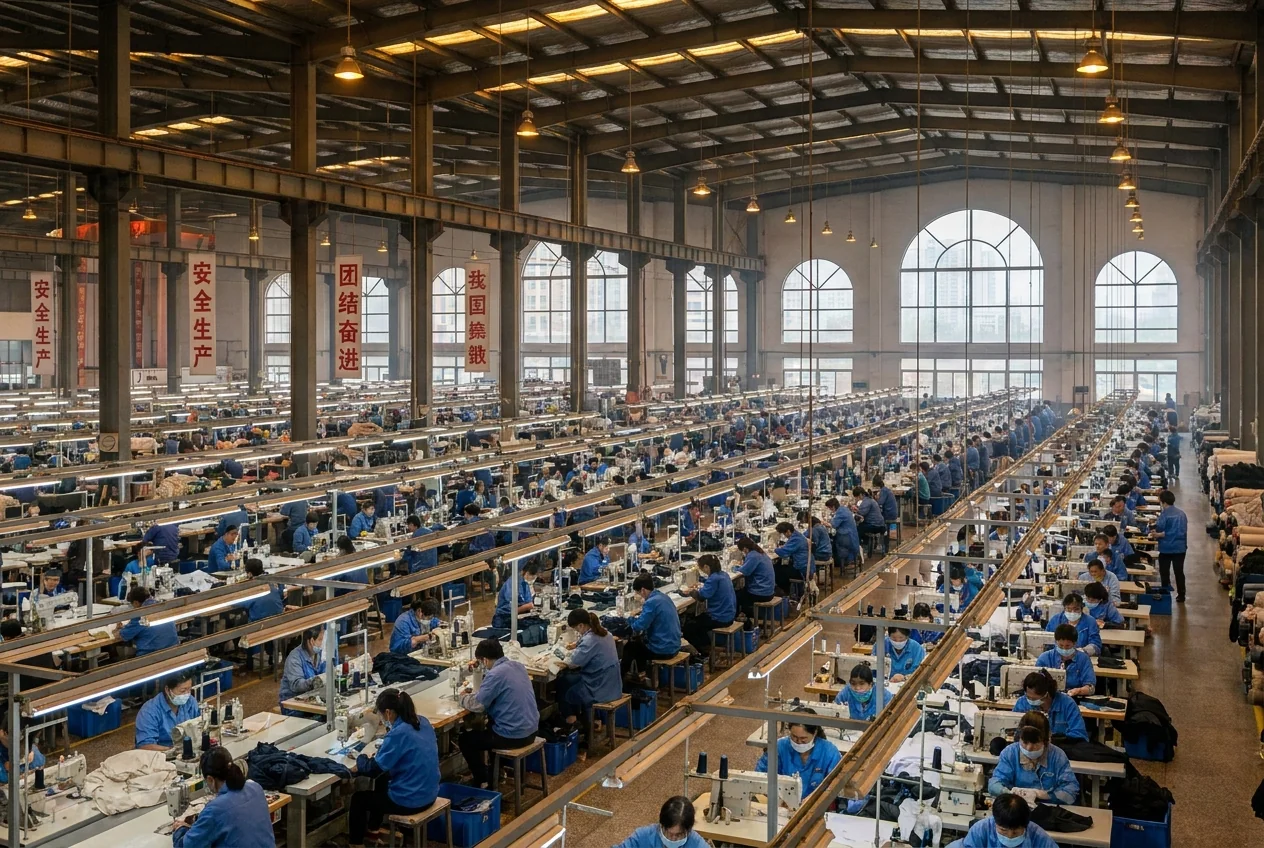
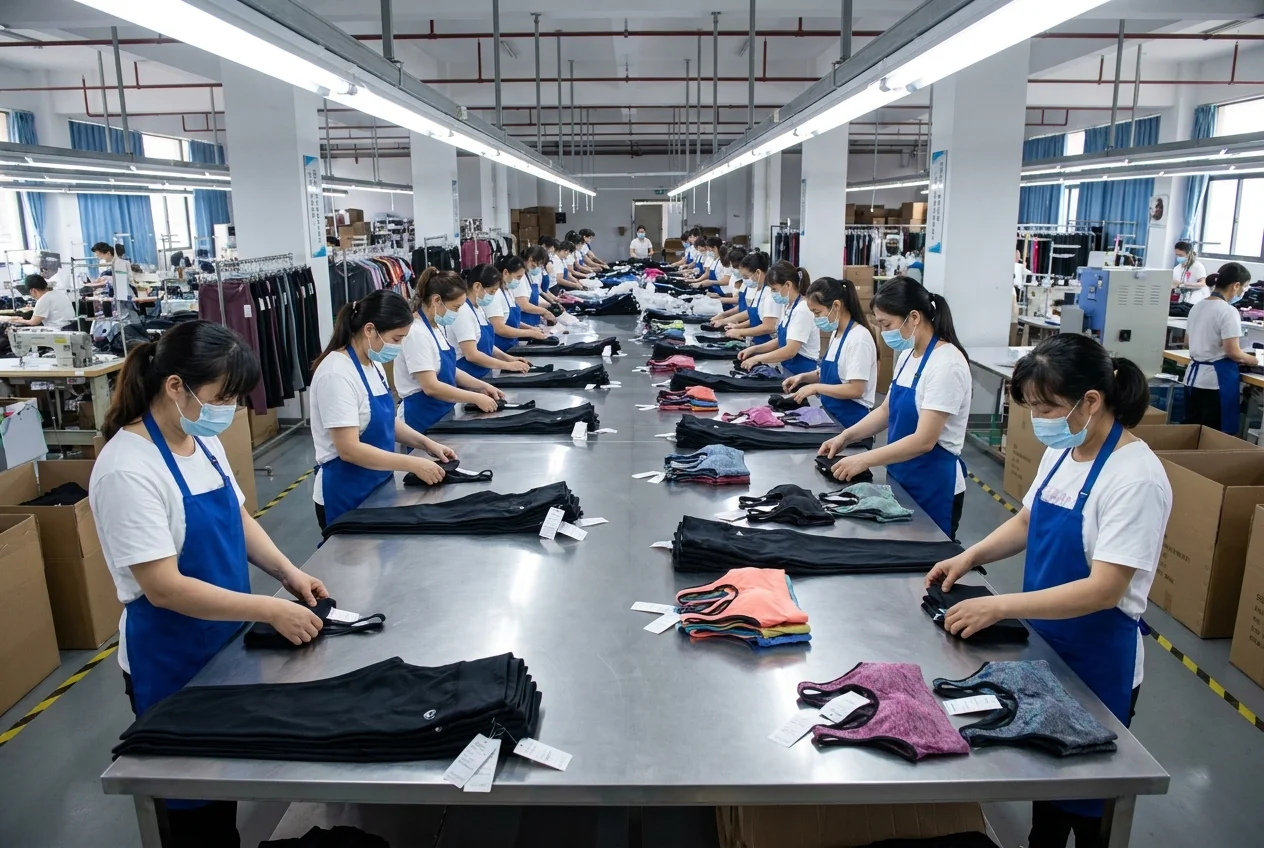
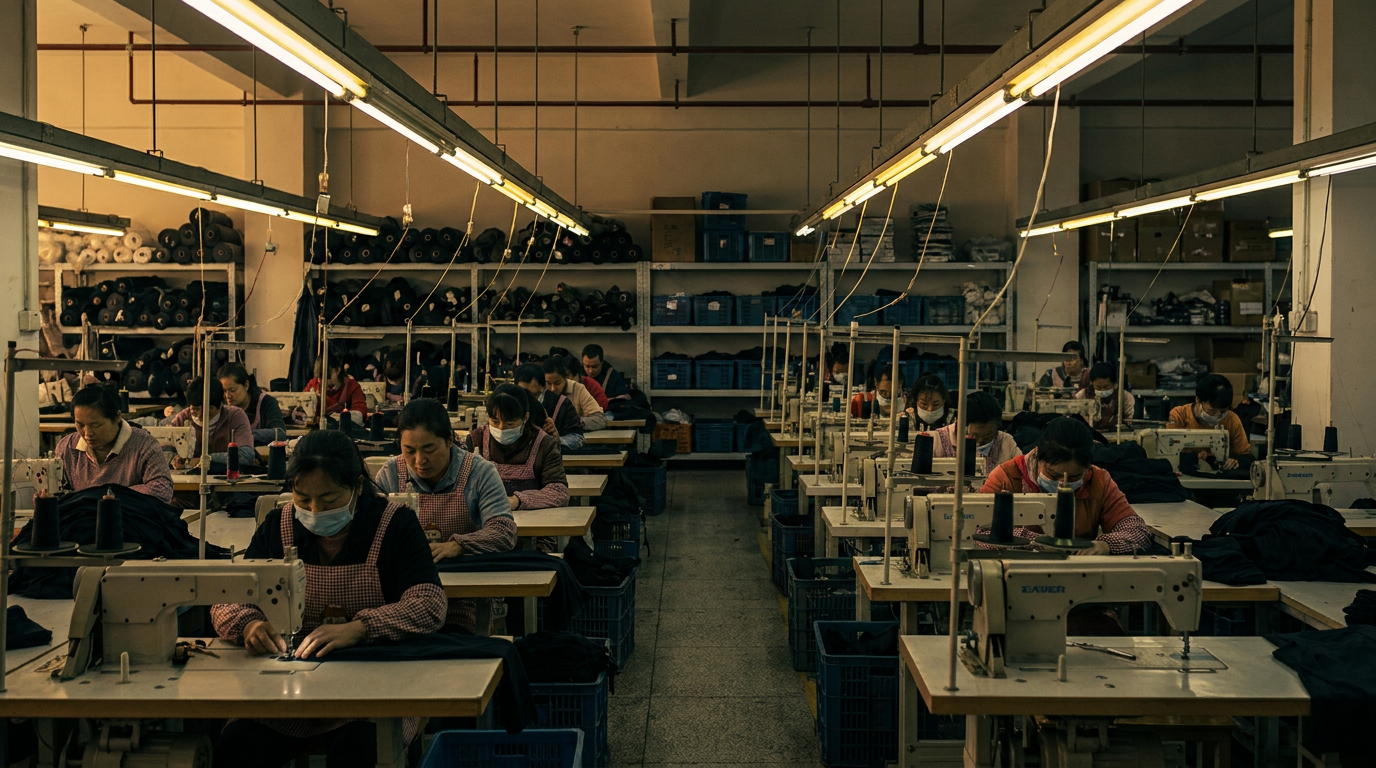
Every machinist is assigned to a single line for their full shift — no line mixing. Each line of 22–24 operators runs under one line supervisor who feeds into Marcus's 7:45 AM production board. No order is touched by an outside vendor at any sewing or sublimation step.
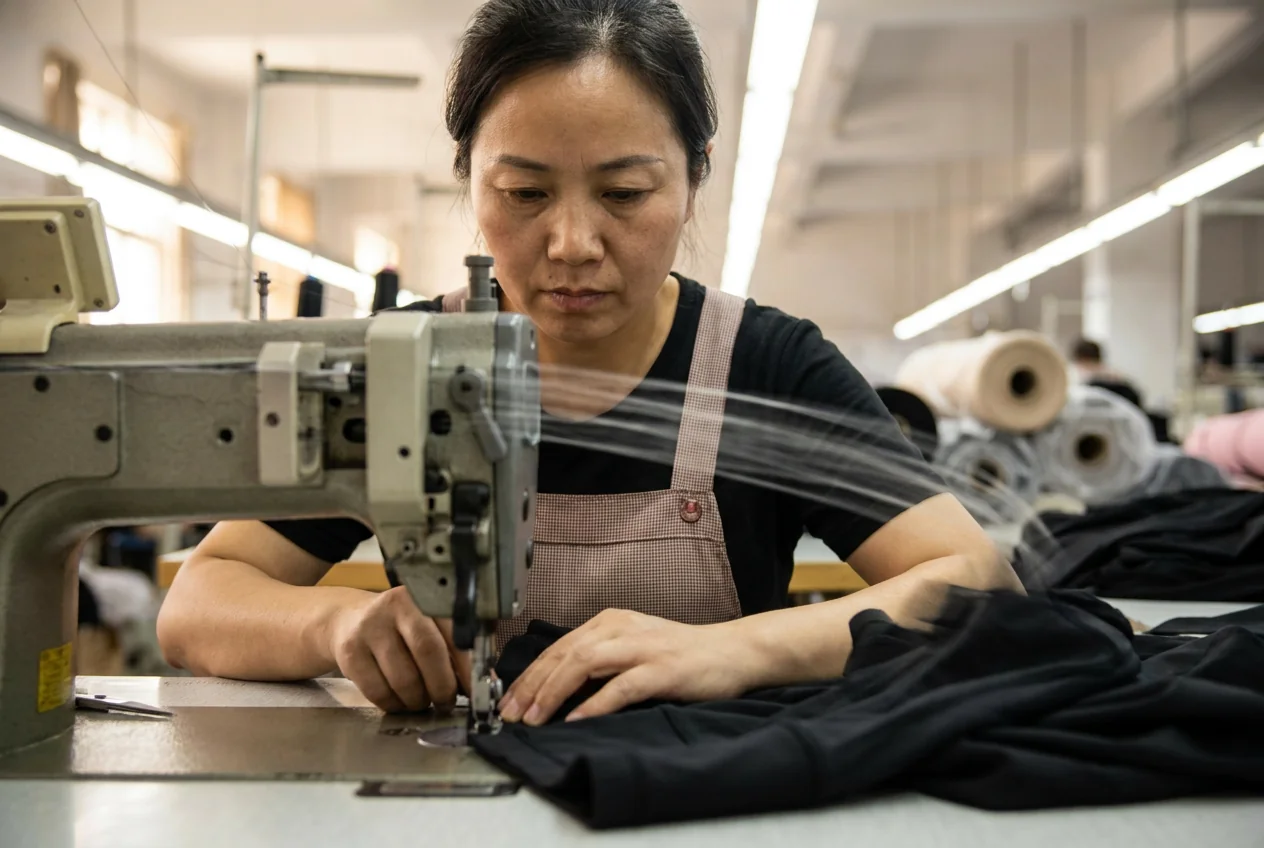
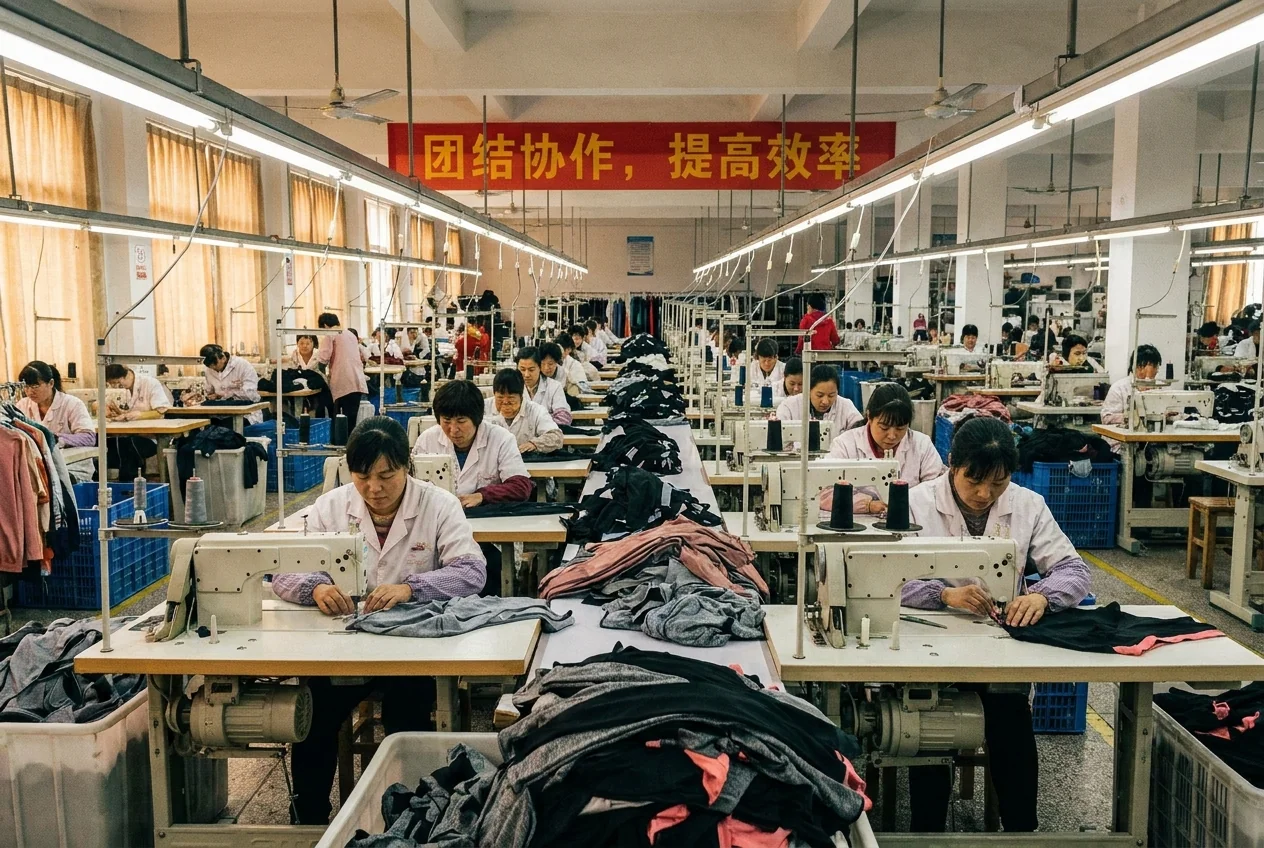
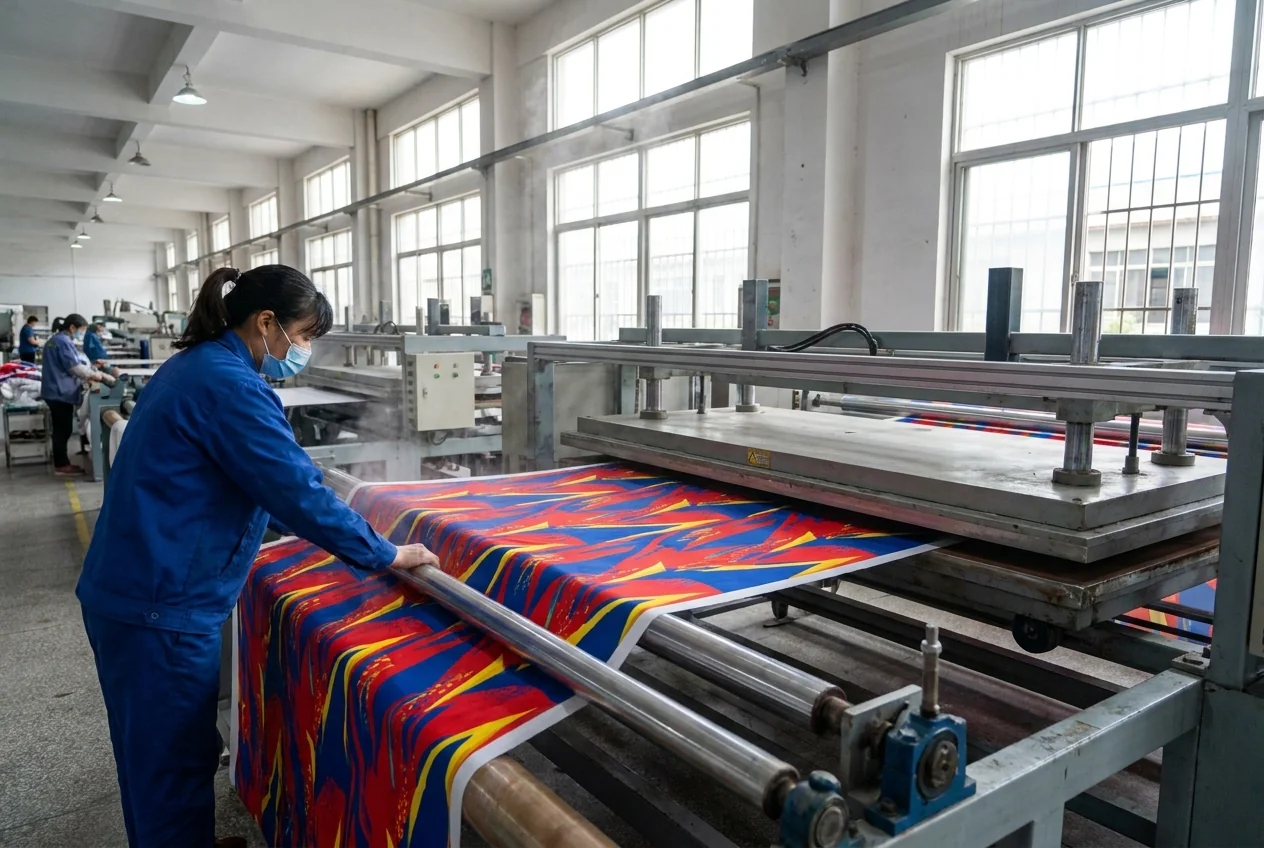
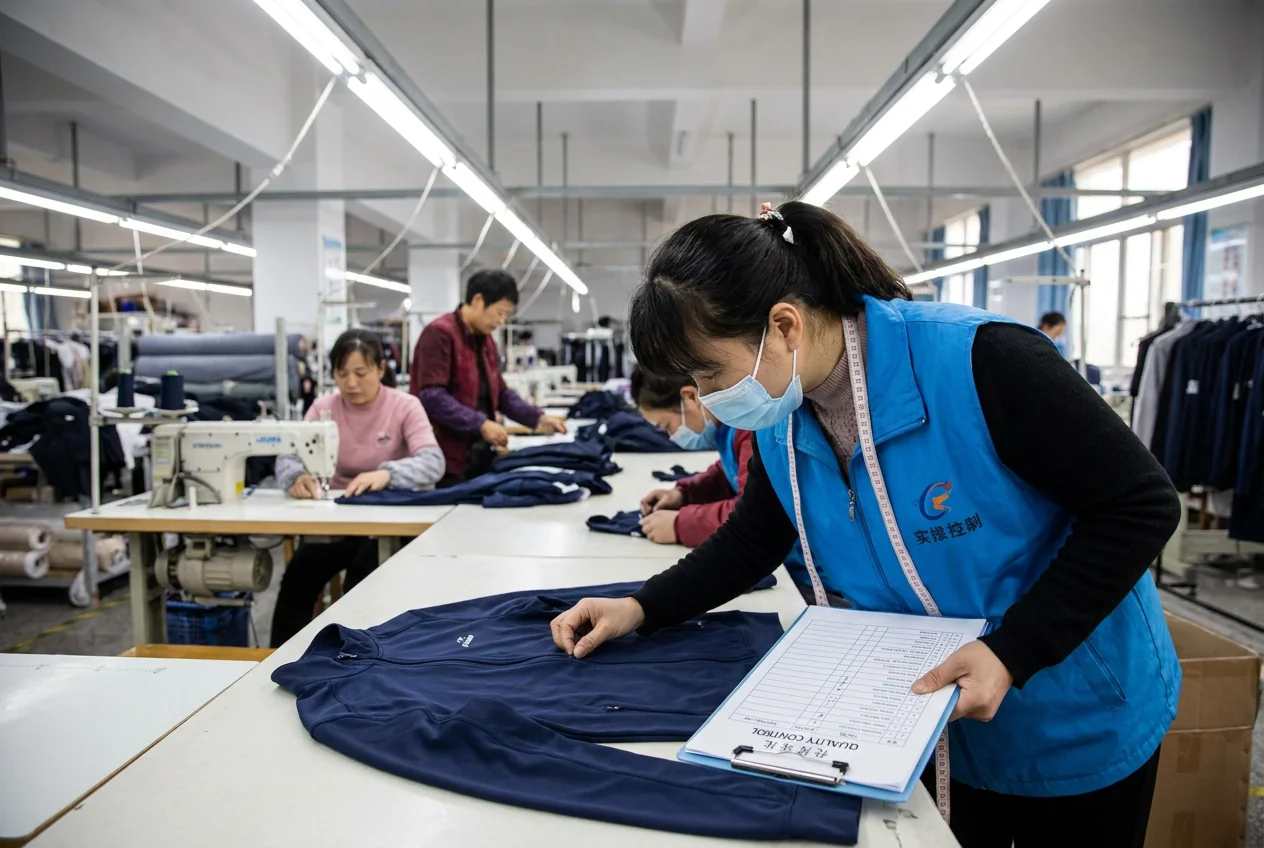
Jenny's 32-person QC team works at two levels: 2–3 inline QC workers per production line checking every 30-piece interval, and 8 lab technicians running pre-shipment AQL 2.5 sampling and colorimetric sign-off on every outbound order before release.
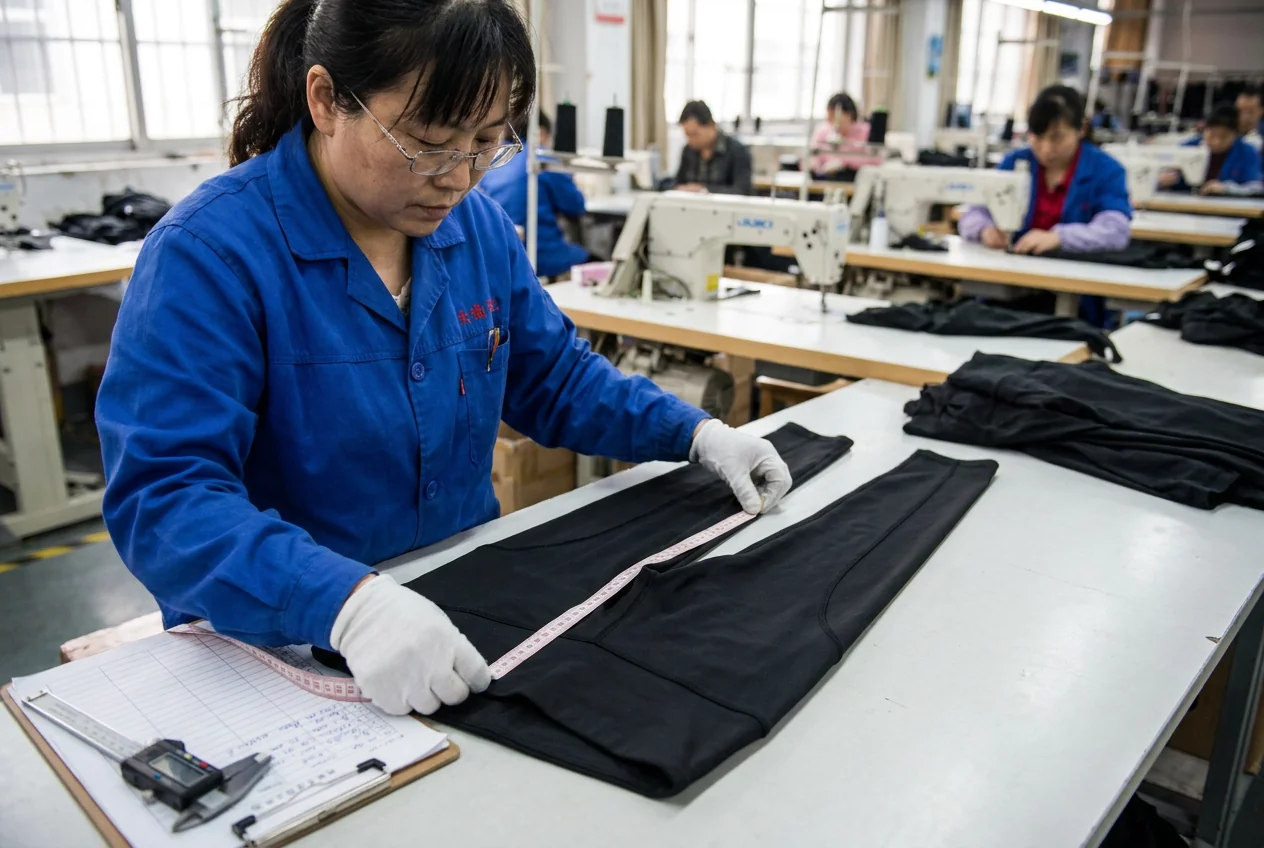
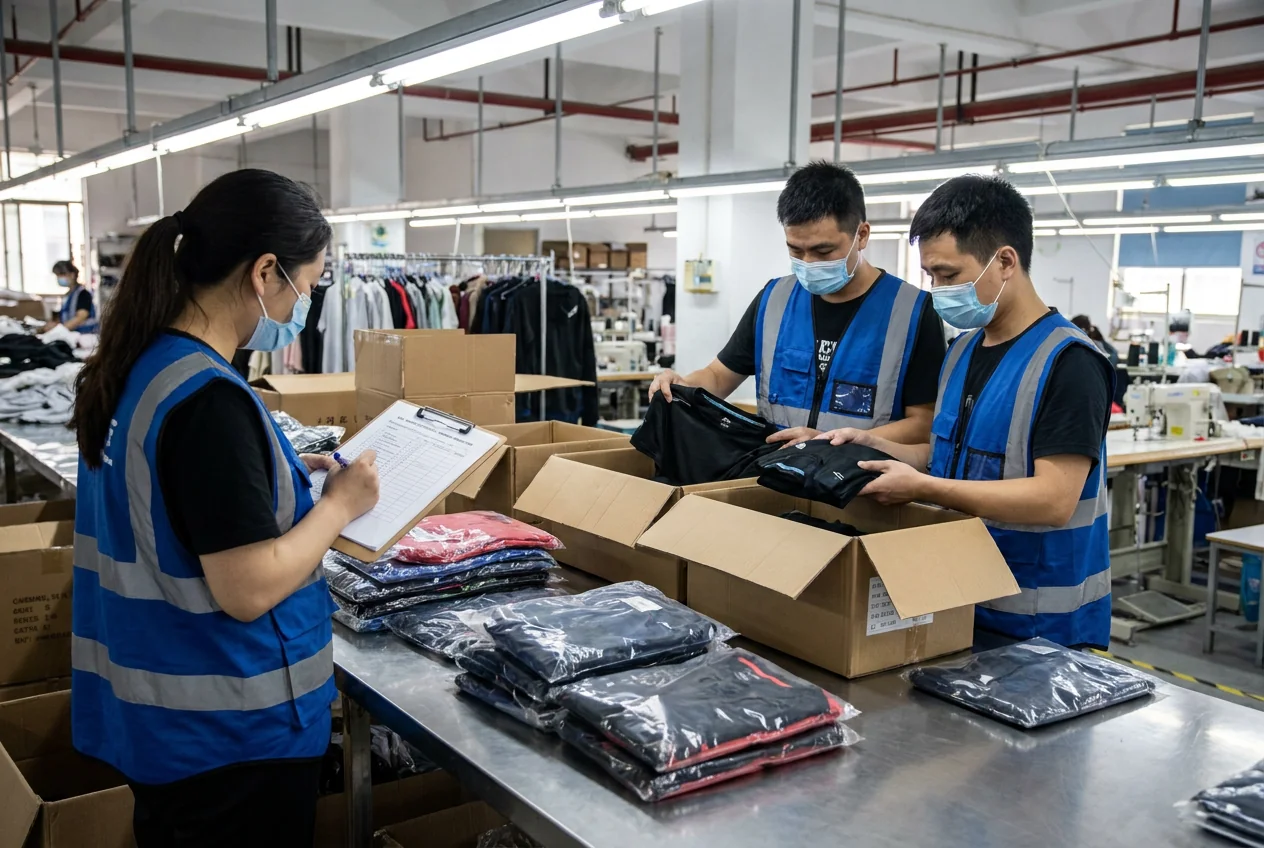
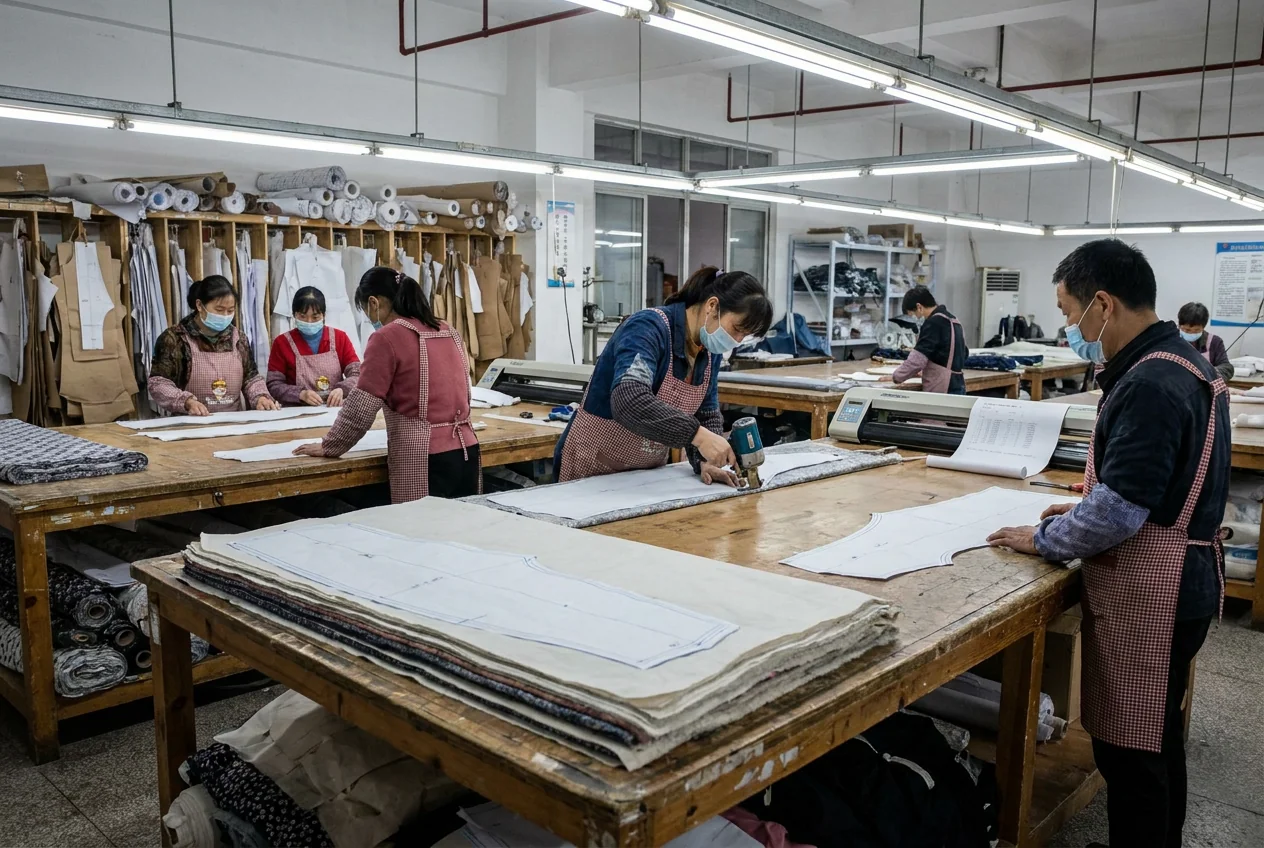
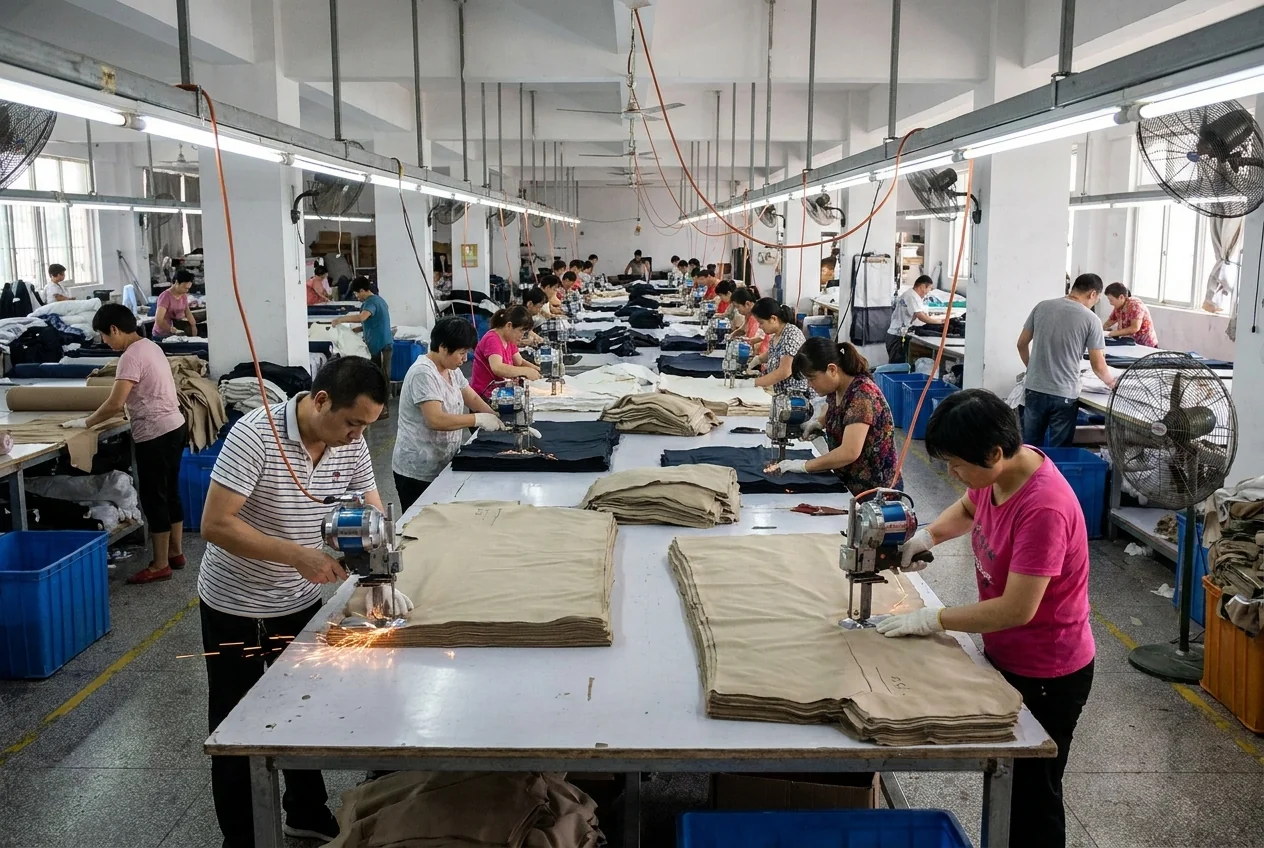
David leads 16 pattern makers converting client tech-packs to production-ready patterns (XS–5XL grading), while 36 cutting workers handle 15,000 panels per shift through the cutting room. Pattern development, grading, and revision cycles all stay in-house — no outside studio work.
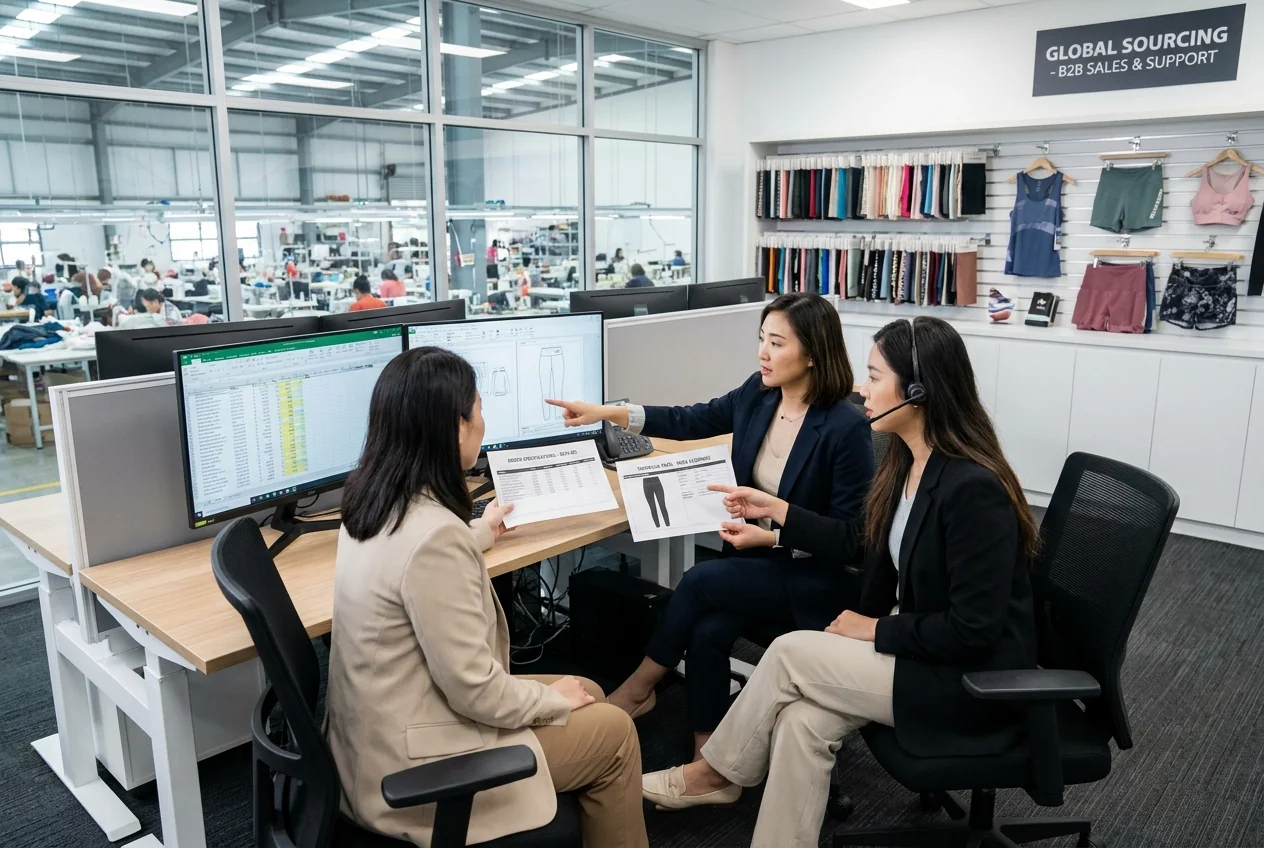
Anna's team handles all inbound B2B inquiries — from first RFQ through sample sign-off, bulk production tracking, and shipment confirmation. Every active client has a named contact, not a shared inbox. New RFQ response: 24 business hours, reviewed — not an automated reply.
Four Principles Running Every Order
Not a mission statement. Four things buyers asked us to prove — and that we have built the operation around.
Spec on Paper = Spec on Goods
What the approved tech-pack and sealed sample say is what ships. Incoming fabric is checked colorimetrically within 4 hours of arrival — rolls measuring ΔE >1.0 against the approved lab dip are rejected on the spot. AQL 2.5 pre-shipment sampling closes the gap before anything leaves the floor. The standard is: not close to spec, exactly on it.
One Factory, Full Transparency
All 280 workers are on Berun's single payroll. No subcontracting at any production stage — not for overflow, not for embroidery, not for finishing. Buyers can book a factory visit, walk every production line, and see their entire order in one building. There is no second location to schedule around.
Verified, Not Claimed
WRAP Gold, GRS, Higg FEM 82/100, BSCI, and OEKO-TEX Standard 100 are five third-party-audited certifications with certificate numbers on file. Audit reports are available to qualified clients under NDA. "We're compliant" without a certificate number is a claim — ours come with certificate numbers and independent audit trails.
On-Time, On the Record
92.4% on-time delivery rate, rolling 12-month average, measured against confirmed ship dates set at order placement — not against revised dates. Monthly delivery reports are available to clients with active orders on request. When a shipment runs late, the original committed date is on the record. We do not revise it retroactively.

How Berun Runs Day-to-Day
Six documented operating procedures, in place on every shift.
7:45 AM Production Board
Each morning, line supervisors update the floor whiteboard with that day's line allocation, prioritized by confirmed ship date. Every active order has a named line and a date on the board — no order sits in a queue without a scheduled production slot.
Fabric Checked Within 4 Hours of Arrival
Every incoming fabric roll is tested for GSM, color (ΔE vs. approved lab dip using spectrophotometer), and shrinkage before it moves to the cutting floor. Rolls measuring ΔE >1.0 against the approved lab dip are rejected and returned to the supplier.
Inline QC on Every Production Line
Each of the 12 lines has 2–3 dedicated inline QC workers checking seam integrity, print registration, and garment measurements at 30-piece intervals throughout the production run. Defects are flagged and corrected at the point of production, not caught at final inspection.
AQL 2.5 Pre-Shipment on Every Order
Before any order is released for shipping, Jenny's team runs AQL 2.5 full-batch random sampling per ANSI/ASQ Z1.4. Defect findings and pass/fail records are documented and available to clients on request.
Pattern Revisions at USD 40 per Round
Pattern changes are quoted before each revision cycle begins. David's team completes revisions in 2–5 working days and produces a fit sample for client confirmation before the order returns to bulk production.
24-Hour Quote Response
Anna's team responds within 24 business hours confirming service track, MOQ applicability (100 pcs/SKU with XS–XXL size splits within the 100), lead time range, and initial pricing direction. This is a reviewed response, not an automated reply.
Berun's Certifications — What Each One Covers
Five active certifications. Audit reports available to clients under NDA for supplier qualification.
WRAP Gold
Cert. WRAP-GLD-156823WRAP (Worldwide Responsible Accredited Production) is a third-party labor and environmental compliance program with annual on-site audits conducted by independent WRAP-approved monitors. Gold status covers worker welfare, compensation and working hours, health and safety, and environmental management. Audit reports are available to clients under NDA for supplier qualification purposes.
GRS — Global Recycled Standard
Cert. CU 1014387 GRS-2024The Global Recycled Standard traces recycled content through the supply chain from raw fiber to finished product. Berun's GRS certification means clients sourcing recycled polyester or nylon orders receive transaction certificates (TCs) linking their specific order to verified recycled fiber sources. This documentation is required by many EU and North American brands for ESG supplier reporting and scope 3 emissions disclosure.
Higg FEM 82/100
Cert. HIG-FEM-2024-CN-08The Higg Facility Environmental Module scores factory environmental performance across energy use, water consumption, waste management, and emissions. Berun scored 82 out of 100 in the most recent verified assessment. Clients using the Higg Index for supplier qualification can request the verified FEM score report directly for their internal ESG records.
BSCI
Cert. BSCI-CN-2024-08-15The Business Social Compliance Initiative audit covers labor rights, occupational health and safety, and business ethics across the production facility. It is the standard used by most European retailers and brands for supplier onboarding and annual supplier reviews. Berun completed its most recent BSCI audit in August 2024 with no major non-conformances.
OEKO-TEX Standard 100
Cert. 23.HCN.74521OEKO-TEX Standard 100 tests garments for over 100 harmful substances including restricted dyes, heavy metals, formaldehyde, and pesticides. Berun's certification (23.HCN.74521) covers both fabric and finished product testing, satisfying chemical safety requirements for brands selling in EU, North American, and ANZ markets with strict restricted substance list (RSL) compliance requirements.
Berun Factory Scale and Delivery Record
Four numbers, all documented. Available to clients conducting supplier due diligence.
Rolling 12-month average, measured against confirmed ship dates set at order placement. Monthly delivery reports are available to clients with active orders on request.
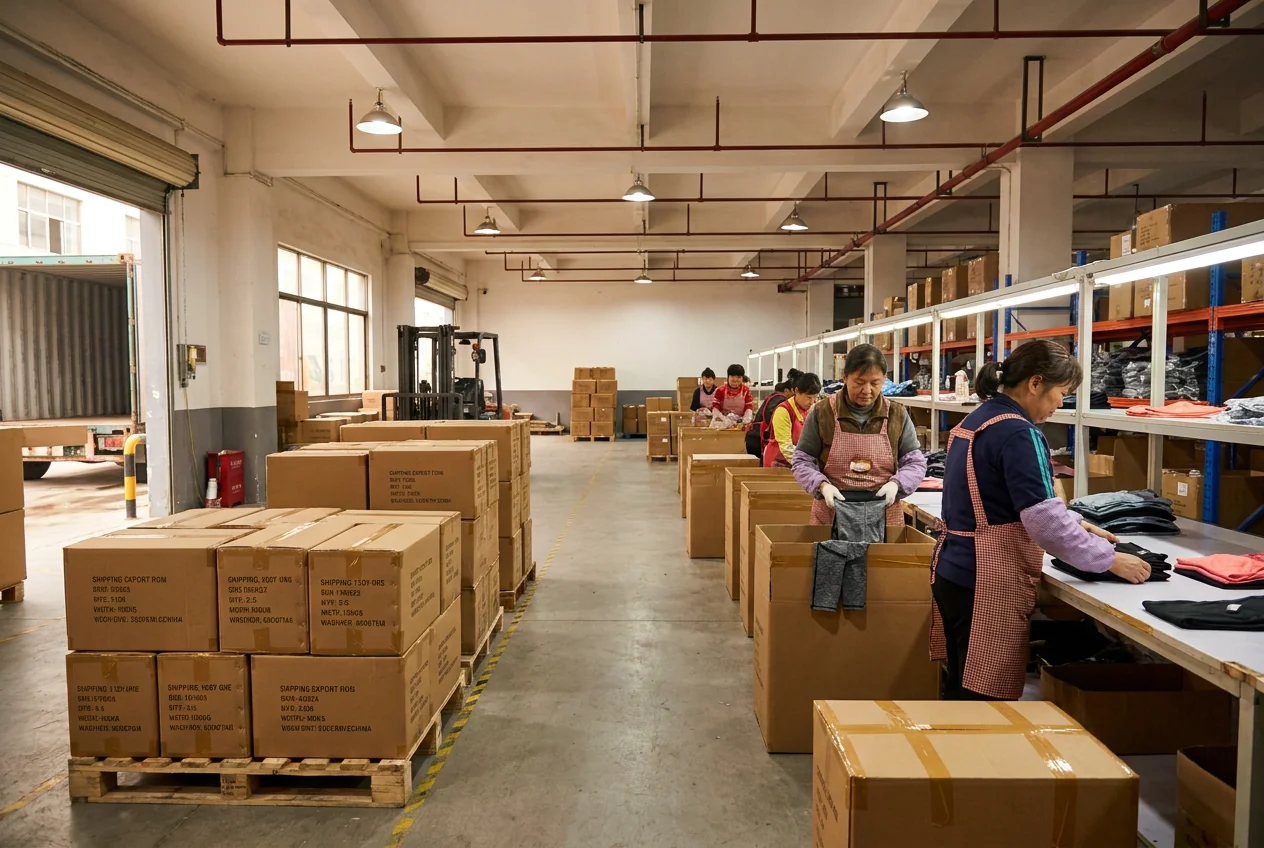
No subcontracting at any production stage. All machinists, QC staff, pattern makers, and print and embroidery workers are direct Berun employees working in the same facility.
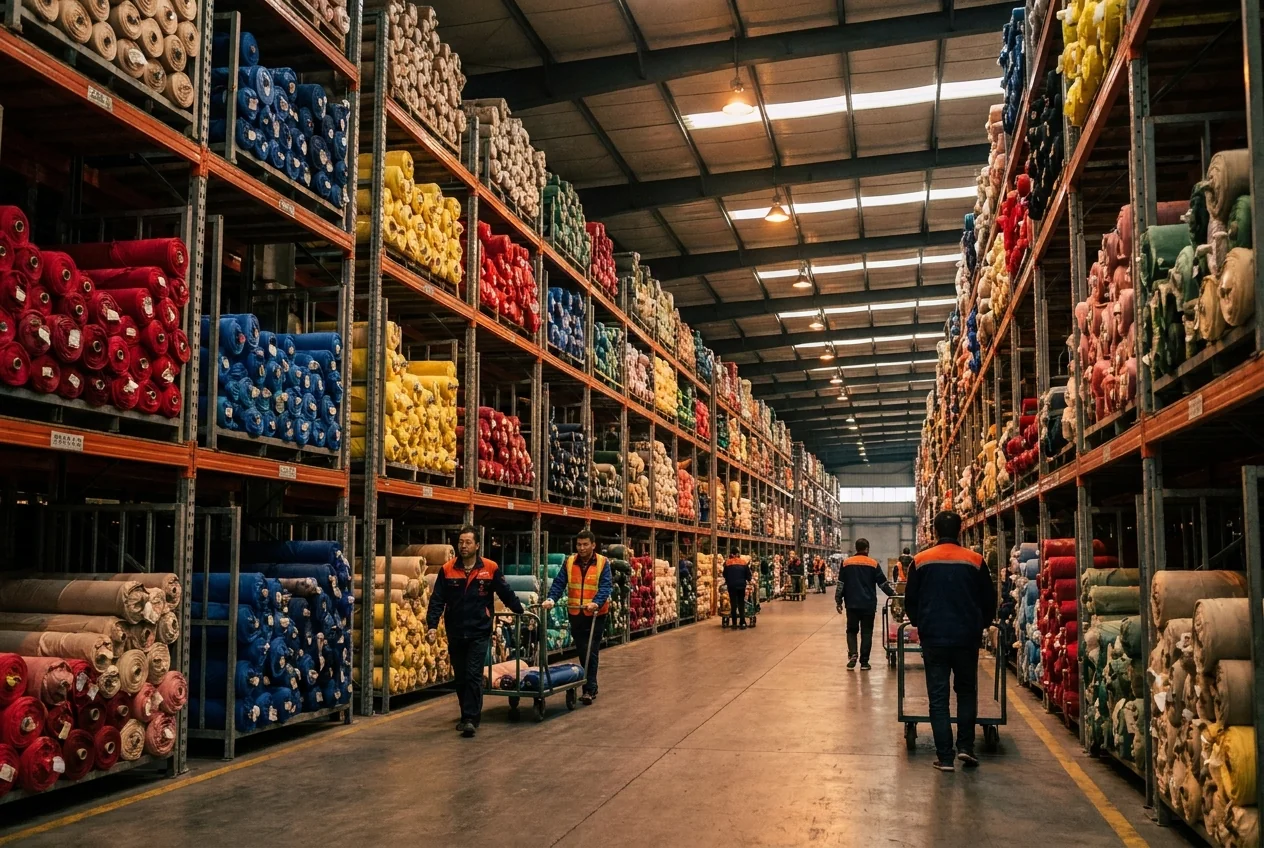
All 12 production lines, the in-house QC lab, cutting tables, sublimation equipment, and finishing are under one roof. No order is split across separate production sites.
Certification histories, audit records, and order documentation going back to 2017 are maintained and available to clients conducting supplier due diligence.
Buyers considering a first order or switching suppliers can request an in-person visit to our factory. Anna arranges your on-site walkthrough of the production floor, QC lab, and print department, and helps with scheduling.
Book a Factory Visit
What Buyers Say After the First Order
Three buyers. Three different starting points. All on the record.
"We moved to Berun after two bad runs elsewhere — wrong GSM on arrival, color shifted 2–3 ΔE from the approved sample. Berun's first bulk landed exactly matched the sealed sample. The colorimetric records they sent with the shipment documentation were exactly what our QC team needed for the supplier audit file."

"We run a private-label uniform program for 14 gym locations — coaches need fresh gear each quarter, so lead time and minimum order size matter. Berun worked with our 100 pcs/SKU without pushing us to inflate the order, hit the 35-day lead time on all three runs, and the team jerseys with roster numbering came out clean every time."

"As a DTC brand launching our first collection, we needed a factory willing to work at 100-piece minimums and not treat us like a nuisance. Anna answered every question within a day. Our first order — 400 pcs across four SKUs — arrived on time and matched the approved samples. That was all we needed to place the second order."

See the Factory Before You Place an Order
Walk the production floor, QC lab and print department in person. Anna helps arrange your visit.
Contact Berun or Schedule a Factory Tour
Three ways to move forward, depending on where you are in your supplier evaluation.
Anna reads every submission. If your inquiry falls outside her scope (production scheduling, QC questions, tech-pack specifics), she routes it to the right team member within the same business day.
Book a Factory Visit
Walk the production floor, QC lab, and print department in person. Anna arranges your on-site visit — request a time via email or WhatsApp.
Book via EmailRequest Company Profile Deck
Full PDF covering production capacity by line type, all five certifications, product categories, quality protocols, and pricing structure. Sent within 24 hours of request.
Request Profile DeckTalk to Anna Directly
WhatsApp or email. Anna responds within 24 business hours. For urgent RFQs or sample status inquiries, WhatsApp is faster.
WhatsApp Anna