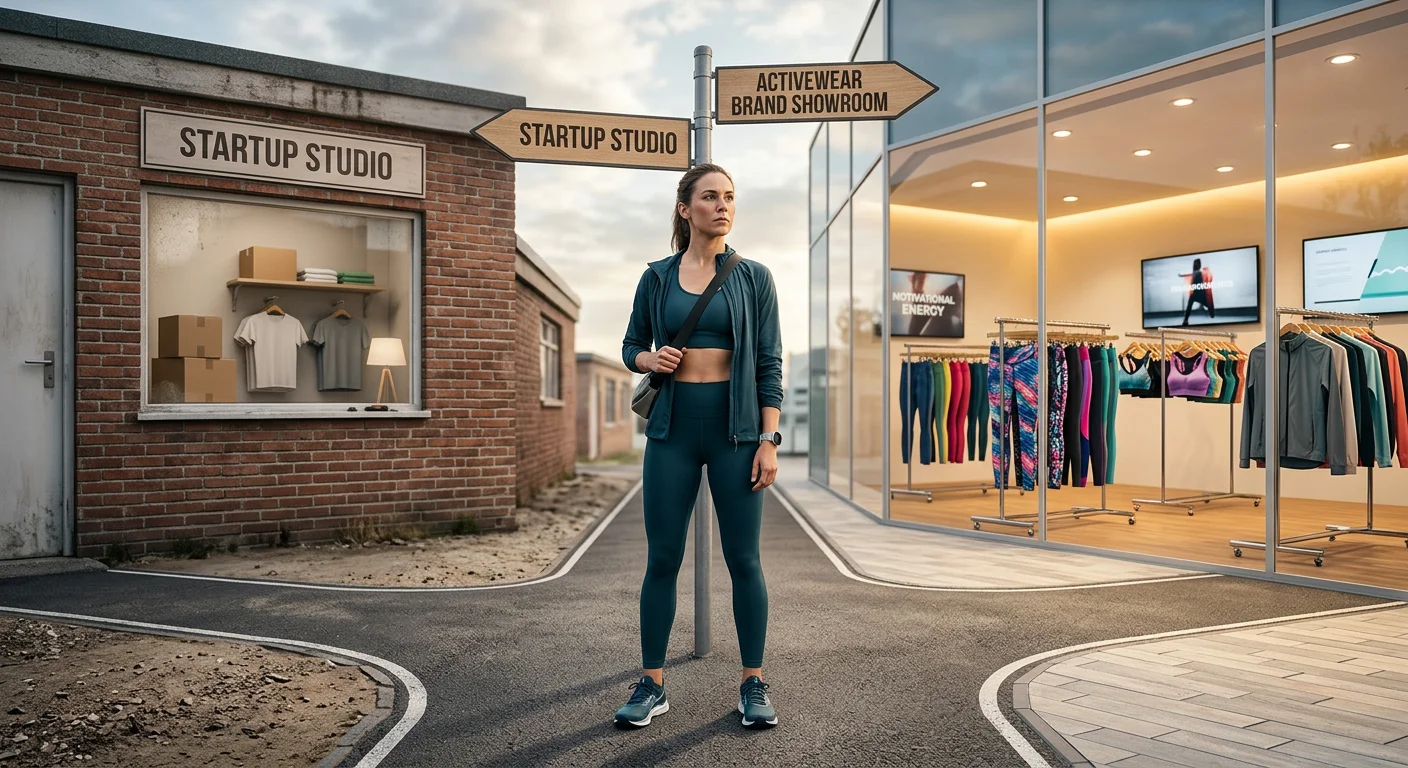
Lululemon just posted another record quarter. Nike's activewear division outspent your entire annual revenue on a single campaign. You're stuck in the middle — trying to sell more leggings, sports bras, and training gear with no nine-figure budget behind you.
Here's what most industry reports skip over: the athleisure market growth story of 2026 isn't being written by the giants. Many emerging brands are finding success through custom activewear collections tailored to highly specific customer needs that larger competitors often overlook.It's being won in the gaps they're too large to fill.
This guide breaks down three proven athletic apparel sales tactics . Each one targets retailers under $5M in annual revenue. You can execute all three within 30 days. Every tactic comes with real brand data, specific budget ranges, and conversion benchmarks you can hold yourself to.
Deploy Micro-Niche Fabric Specialization & Scarcity-Driven Product Drops
The biggest mistake small activewear retailers make isn't bad marketing. It's selling the same fabric story as everyone else.
Your product page says "high-performance leggings." Lululemon's says the same thing. You lose. Every time. Not because your product is worse — but because generic positioning in a crowded activewear inventory management space is a race to the bottom on price.
The way out? Stop selling "leggings." Start selling a specific fabric experience built for a specific moment. The strongest niche brands often work closely with a specialized fabric activewear supplier to develop proprietary performance stories that competitors cannot easily replicate.Then release it in controlled quantities that make people move fast.
That's the micro-niche fabric specialization + scarcity-driven drop model. For small brands in the $50K–$5M revenue range, it's one of the highest-leverage plays available right now.
Here's how it works.
Step 1: Find Your One Fabric Gap (Week 1)
Pull your last 90 days of sales data. Identify your top 3 returning styles by units sold, repeat purchase rate, and margin.
Then do something most retailers skip: map the complaints.
Look for patterns like "too hot during summer training," "not compressive enough post-workout," or "slips during inversions." Each complaint is a product brief waiting to be written.
From that research, define one concrete fabric gap . Not a vague category — a precise positioning statement:
"Cooling-recycled nylon blend for HIIT sessions over 30 minutes in gyms above 28°C."
That's your drop concept. Set your launch target at 300–500 units . Aim for a sell-through goal of ≥85% within 30 days and a gross margin target of ≥60–65% — about 14–18% above what your generic SKUs deliver today.
Step 2: Source an Agile Manufacturing Partner (Week 1–2)
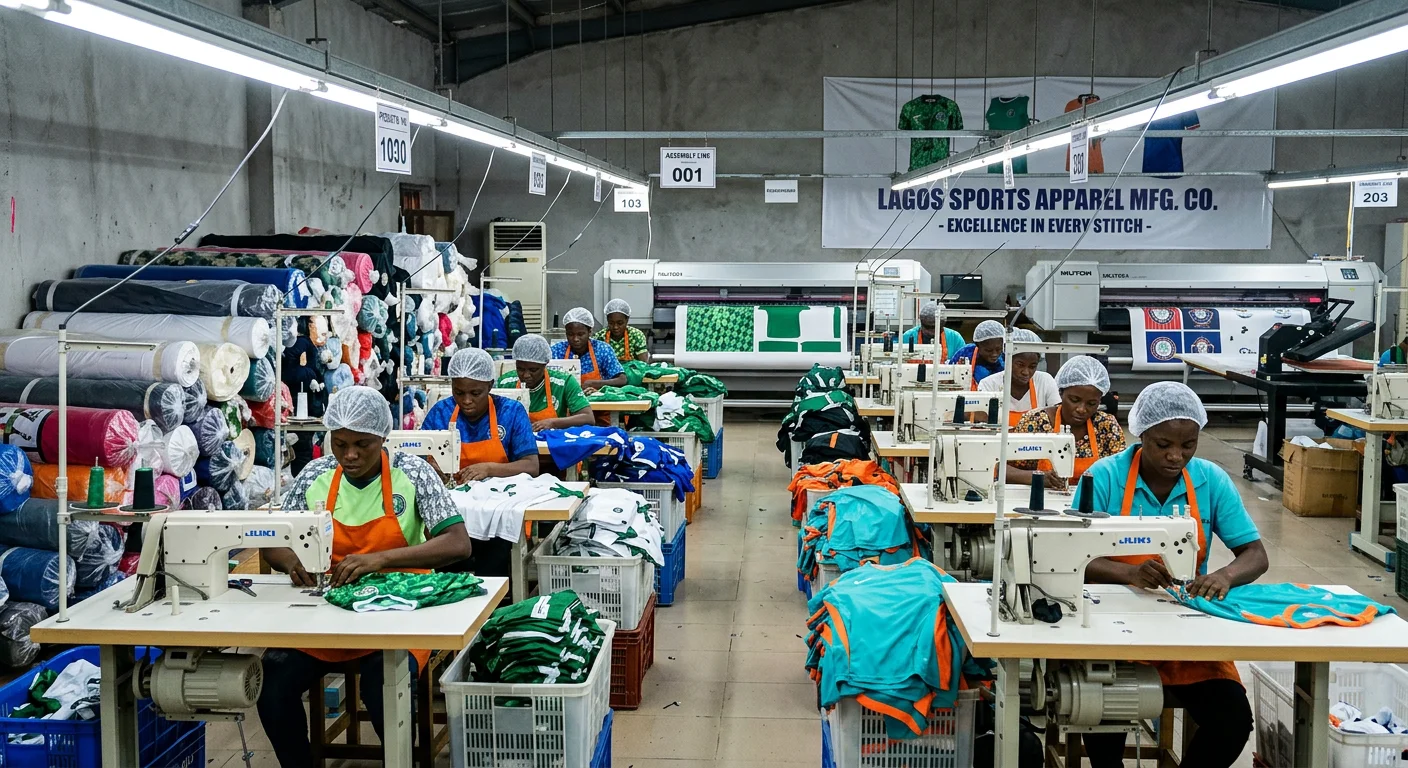
This is where most small brands get stuck. They assume custom performance fabric of activewear demand requires massive minimums. It doesn't.
Shortlist 2–3 OEM/ODM activewear manufacturers that accept low MOQs — meaning 100–300 units per style per colorway . Check that they can turn samples in 7–10 days and complete production in 20–30 days on a 300–500 unit run. This profile exists. You just have to filter for it.
Once you have a partner, order 2–3 fabric variants of the same concept — for example, three compression levels for a recovery tight. Also order 3–5 samples per size for:
Wear testing : 30-minute treadmill + squat sessions. Document sweat mapping, slip, and transparency.
Content creation : Stretch tests filmed at 0%, 50%, and 100% extension. This footage becomes your launch content.
Don't skip the wear testing. It gives you credibility data that justifies your 12–20% price premium over generic equivalents.
Step 3: Build the Scarcity Funnel Before You Launch (Week 2–3)
Your drop lives or dies on pre-launch heat. Before a single unit ships, get a waitlist funnel running.
Build a landing page with three clear elements:
A hard unit cap stated upfront ("300 units only — no restock guaranteed")
A countdown timer
3 fabric test visuals that back up your performance claims
Offer early access and guaranteed sizing to everyone who joins via email + SMS opt-in .
Pre-launch KPIs to hit:
- Waitlist signups: 2–4× your planned drop quantity (target 800–1,200 signups for a 300-unit drop)
- SMS opt-in rate from your email list: ≥30–40% — this is your strongest signal of drop-day intent
For content, produce at least:
- 2–3 behind-the-scenes fabric test videos (sweat mapping, stretch, close-up knit detail)
- 1–2 community polls (color vote, logo placement) — these build co-creation energy and social proof at the same time
Step 4: Execute the Drop & Manage Restocks With Data (Week 4)
Launch sequence:
- T-24h : Send the early-access link to SMS subscribers + your top 30% engaged email segment
- T-0 : Broadcast to your full list + post to social with a live inventory counter ("187 of 300 units remaining")
Restock trigger rule : Don't guess. Set an automatic restock threshold at 85% sell-through . Once 255 of 300 units sell, trigger a second production order — but only if your refund rate is <8–10% and your post-purchase NPS is ≥+40 .
This keeps your activewear inventory management data-driven and demand-led, not hope-led.
What the Numbers Look Like
Here's a realistic ROI model for a first drop at this scale:
Metric | Range |
|---|---|
Units produced | 200–400 |
Average selling price | $55–$75 |
Landed unit cost (COGS) | $10–$18 |
Total project cost (samples + content + SMS) | ~$3,000–$4,000 |
Gross revenue (300 units × $65) | ~$19,500 |
Gross profit | ~$15,300 |
Cash-on-cash ROI | ~3.8–5.1× in 30–45 days |
Brands in the $250K–$400K annual revenue range running this model — shifting from generic black leggings to a named fabric concept like a "RecoveryWeave Compression" tight — have sold 350–450 units in 7–14 days with zero paid advertising. Just existing email, SMS, and organic social. Revenue per drop: $35,000–$60,000 . Returning customer share per drop: 35–50% , driven by collectors who want every fabric concept in the series.
That repeat behavior is the compounding effect most people miss. Your first drop doesn't just generate revenue. It trains your audience to act fast on every drop you run after it .
That's not a marketing tactic. That's a sustainable DTC activewear brand strategy built for 2026 and beyond.
Rebuild the DTC Funnel with Fit-First Omnichannel Merchandising & UGC Optimization
Here's a number worth paying attention to: 52% of activewear returns happen because the size or fit was wrong .
Not because your product was bad. Not because the customer changed their mind. Because they couldn't tell — from your product page — whether it would fit their body in motion.
That's not a product problem. That's a merchandising problem.Leading brands also create tighter feedback loops between customer fit data and the activewear factory, allowing pattern adjustments before return issues scale. For small activewear retailers competing on tight budgets, fixing this is the highest-leverage move you can make in 2026.
The sportswear ecommerce conversion gap between mid-six-figure DTC brands and the Lululemons of the world isn't mostly about ad spend. It's about confidence at the point of decision. Big brands carry years of social proof, thousands of tagged reviews, and retail fitting rooms. You have a product page with studio photography and a size chart nobody trusts.
The fix is a three-layer system: fit-first merchandising + UGC-driven PDPs + omnichannel try-on access . Together, these don't just reduce returns — they compound. Lower returns mean lower CAC. Higher confidence means higher AOV. Better UGC means better paid creative performance. The whole funnel gets healthier at once.
Here's how to build it in 30 days.
Days 1–7: Install Fit-Confidence Tech on Your Top PDPs
Start where the money is bleeding out: your highest-traffic product pages.
Pick a sizing widget or fit quiz from the Shopify ecosystem. AI-sizing tools, quiz-based recommenders, or "compare to your favorite brand" plugins all work. The goal isn't perfection. You want ≥20% of PDP visitors to engage with the tool. Data shows that users who engage with sizing tools convert at up to 2× the rate of those who don't.
Alongside the widget, add dynamic fit messaging built from your real review data. Once you hit 50+ size-tagged reviews on a SKU, show the distribution: "73% say true to size — 19% say runs small — 8% say large." That one element can push add-to-cart rates 8–15% higher versus PDPs without it, based on apparel CRO testing data.
Most retailers skip one setup step: connect your fit widget to Meta CAPI and Google Analytics as a tracked event . This turns fit-tool usage into an audience signal. You can then build retargeting and lookalike campaigns around it — a UX improvement that doubles as a paid media asset.
30-day target : 10–15% reduction in size-related return codes, measured against your pre-launch baseline.
Days 8–14: Rebuild Your Top SKUs Around UGC Video
Your studio shots look great. They also look like everyone else's.
The shift in activewear consumer behavior right now is clear: shoppers make purchase decisions based on seeing real people — with real bodies, real workout contexts, and real fit opinions — not posed photography. DTC brands running UGC-heavy PDPs report +12–25% conversion lifts and 15–25% lower CAC in Meta funnel tests. That's not a small gain. That's a structural advantage.
Here's how to build your UGC library fast without a $50K influencer budget:
Find 10–20 customers or micro-creators who already train in your product category — HIIT, yoga, running, lifting. Ship them 1–2 full outfits in exchange for 2–3 short try-on or workout videos per SKU . Pay benchmark: $50–$150 per video , or product-only for nano-creators with real followings. Total seeding cost runs $600–$1,200 with a mix of paid and product deals.
For each video you collect, tag it with the creator's height, weight, size worn, and activity type . Then build a "See it on someone like you" filter right on the PDP. Shoppers can sort UGC by similar body measurements. That one UX change is where workout clothing merchandising goes from good to genuinely different.
PDP placement rules that matter:
- First UGC tile goes above the fold in the media gallery — not buried after studio shots
- Add a UGC quote callout near the Add to Cart button : "Wore this through a 45-minute hot yoga session — zero slipping, zero sheerness. 5'4", 135 lbs, size S"
- Target 3–5 UGC videos per SKU on your top 10–20 products before moving to secondary SKUs
Measurement targets over 14–30 days : +10–20% PDP conversion lift and +5–10% AOV on UGC-optimized SKUs versus your control SKUs. Track them as separate groups so you can prove causation, not just correlation.
Days 15–21: Build a Physical Try-On Network Without Opening a Store
Most small brands think this part is out of reach. It isn't.
Omnichannel shoppers in activewear spend 1.5–2.0× more than single-channel shoppers. The real problem isn't that you lack retail locations. It's that online customers have no physical touchpoint to settle fit questions before they order.
The answer is a studio partner network . Go to 3 local yoga studios, HIIT gyms, or spin studios with a simple offer: you stock 4–5 hero SKUs in full size runs at their location on weekends. They earn a revenue share of 10–30% on location-originated sales , or a flat $100–$300 per weekend pop-up . No lease. No buildout. No retail overhead.
At each partner location, set up a "Try on here, ship home" flow:
1. Customer tries the product in the studio
2. QR code opens a pre-filled Shopify PDP with their size and colorway already selected
3. Optional on-site discount of 10% for scanning and completing purchase during the visit
The conversion data is clear: 25–40% of people who try the product on-site convert to a purchase . Email and SMS capture from event visitors runs 20–35% . Plus — and this is the return metric that makes everything worth it — event-cohort customers return items at a rate 20–30% lower than site-only customers. They already know the fit is right.
Connect your studio inventory to Shopify via a POS or multi-location inventory app. Then show that availability on your PDPs: "In stock to try today at CoreFit Studio · LiftLab Gym this weekend." That one line of text on a product page is the kind of fitness clothing retail strategy move that Lululemon's corporate structure can't pull off at the local level — and you can launch it in a week.
Days 22–30: Activate Bundle Logic and Close the AOV Gap
At this point your funnel converts better and returns less. Now you grow revenue per order.
Auto-bundle your tops and bottoms with a 10% complete-the-set discount , shown on the PDP and in cart. Pull size pre-selections from the fit quiz data the customer already gave you. Size differences between categories? Trigger a bundle sizing helper that walks them through the match. This cuts the friction that kills most bundle attach rates.
UGC does real work here too. Make sure at least one video per bundle shows the full outfit in motion, with a caption covering the complete size breakdown: "Wearing the full Elevate Set in size S — 5'6", 143 lbs." Then push that UGC content into your browse abandonment (triggered within 2–4 hours) and cart abandonment flows, paired with the fit badge and review summary.
Realistic 30-day bundle KPIs:
- AOV lift: +$10–$20 above your pre-bundle baseline
- Bundle attach rate: 15–25% of total orders
- Cart abandonment recovery rate with UGC + fit messaging: 10–20%
What This Looks Like in Practice
FlexCore Apparel — a $460K ARR activewear brand — ran this exact playbook across 30 days. Starting numbers: 1.9% conversion rate, $62 AOV, 31% return rate (about 60% of which was size-related).
The execution was straightforward. They deployed a fit quiz across 30 SKUs, rebuilt UGC on 15 hero products, launched two regional fitness studio partnerships for weekend try-on events, and rolled out "Complete the Set" bundles with UGC-loaded abandonment flows.
Thirty days later:
- Conversion rate: 1.9% → 3.4% (+79% relative lift)
- AOV: $62 → $80 (+$18, majority from bundles)
- Return rate: 31% → 23.6% (size-related returns down 24%)
- Event cohort return rate: ~18% , well below site average
Total budget to run the full system: $900–$2,200 , covering fit tech ($100–$400 for Shopify app access), UGC seeding ($600–$1,200 blended), and studio try-on setup costs.
That's the gym wear retail marketing math that changes your business. Not a bigger ad budget — a smarter funnel that makes every dollar you're already spending work harder.
Launch a Tiered Loyalty & Local Studio Activation Network for Retention-Driven Growth
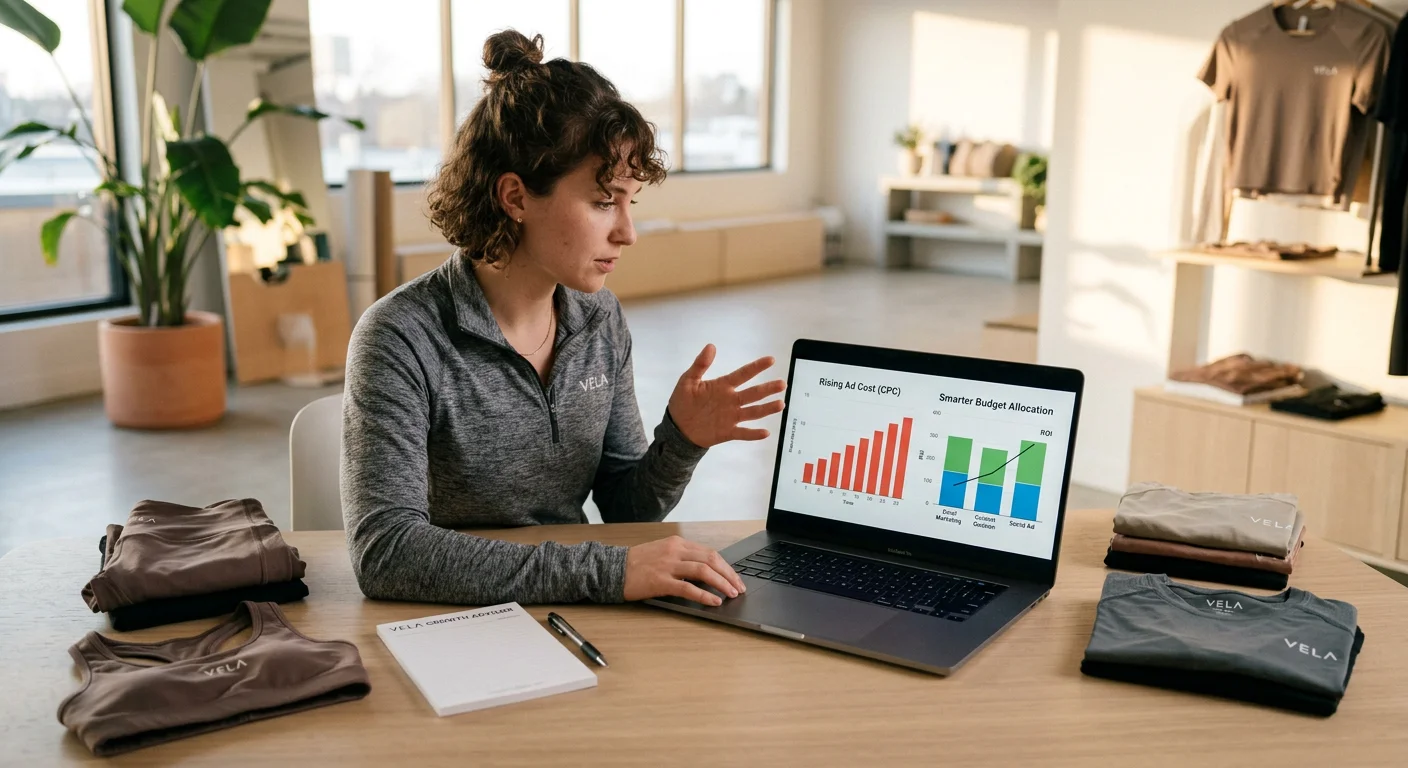
Paid social acquisition just got more expensive — again. CAC on Meta and Google has climbed 30–40% since 2022 . For activewear brands under $5M, that math is breaking down fast.
The brands winning in 2026 aren't the ones spending more to acquire customers.Many successful activewear wholesalers have adopted similar retention-focused strategies, recognizing that repeat customers generate significantly higher lifetime value than constant new-customer acquisition.
They're the ones keeping the customers they already have — and turning those customers into a distribution channel.
Here's the number that should stop you cold: loyalty members represent 20–30% of a typical activewear brand's customer file but drive 40–60% of total revenue . That's not just a loyalty program. That's your biggest growth lever — and it's barely been touched.
The strategy below combines a tiered loyalty structure with a local studio activation network to build a retention engine your competitors can't copy. It's rooted in your geography, your community, and your customer relationships. Budget to launch: $1,400–$3,000 . Timeline: 30 days.
Days 1–7: Build and Deploy Your 3-Tier Loyalty System
Start with the simplest version that works. Three tiers. Clear thresholds. Perks that don't destroy your margins.
Pick a plug-and-play loyalty app built for Shopify: Smile.io, BON Loyalty, Rivo, or Yotpo Loyalty all support tiered structures. Getting to a live first version takes 1–3 days at this scale. Monthly cost runs $49–$299 , based on your contact volume.
Configure your earning rules:
- 5–10 points per $1 spent (baseline transactions)
- +100–250 bonus points for a UGC review with photo or video
- +300–500 points for a successful referral (friend completes their first purchase)
Map your three tiers around activity thresholds — not just spend. This lets customers feel progress before they hit dollar milestones:
Tier 1 — Member (any purchase)
Get early access to drops, a birthday reward, and a 5% studio class credit on every purchase. Credits are redeemed each month at your partner studios.
Tier 2 — Studio (3 orders or $250 in 12 months)
Everything in Tier 1, plus free minor alterations and hemming, double points on studio-tagged SKUs, and priority waitlist access for local events.
Tier 3 — Athlete (6 orders or $600 in 12 months)
Everything in Tier 2, plus a free class credit at a partner studio every quarter , a personal fit consult, and access to exclusive "member drop" colorways that never appear in the general catalog.
One key point: don't lead with discounts . Brands that built loyalty programs on percentage-off rewards trained customers to wait for sales. The brands with the best retention rates built tiers around experiences and access. These cost you less margin and feel more premium to the member.
Place your loyalty explainer blocks on your homepage, all PDPs, the checkout page, and every order confirmation. Launch a welcome email + SMS sequence that shows customers how to unlock studio perks. Add a visual progress bar: "Your path to Studio tier."
Days 8–16: Sign 5–8 Local Studio Partnerships
This is where your fitness clothing retail strategy gets a physical footprint — without a lease.
Target independent Pilates, yoga, HIIT, and functional training studios within 5–10 miles of your highest customer density. Skip the corporate gym chains. You want owner-operated studios where the instructor knows every member by name.
Your partnership offer is simple:
- 15% commission on all referred online sales via a unique tracking link or QR code
- 10–20 free sample units per studio (mixed sizes, modality-matched — compressive leggings for HIIT studios, softer sets for yoga spaces)
- Co-branded signage with a QR code that points to your loyalty signup and tags that studio as the referral source
Reach out to 15–20 studios to close 5–8 agreements . A 30–50% hit rate is normal — your offer adds real value to the instructor. Most studio owners say yes if your product fits their clientele and the commission structure is clean.
Each instructor gets: a unique affiliate URL, printed QR codes for their front desk and changing rooms, a short product brief, and a payout each month via PayPal or ACH. The "member drop rack" at each location holds 4–6 SKUs matched to the studio's training style . A HIIT studio gets compression-first products. A yoga studio gets your softest, most flexible sets.
This isn't a pop-up strategy. It's a permanent distribution and attribution layer that runs itself once it's set up.
Days 17–23: Automate the Retention Flows
Three email and SMS automations handle most of the retention work:
Day 7 — Care & Community Flow (trigger: first purchase delivered)
Send garment care instructions, fit tips, and a "how to earn more points" explainer. Add studio-specific workout suggestions matched to what they bought. This email isn't selling anything — it reinforces the purchase decision and starts the relationship.
Day 30 — Tier Progress Check
Ask for a UGC review (with a points incentive), show their current tier status, and display a visual progress bar: "You're 1 order away from Studio tier." Add a "use your studio credit" CTA with the nearest partner locations listed by name.
Day 60 — Replenishment and Cross-Sell
Triggered by product type. High-usage basics like sports bras and training shorts get a replenishment nudge. Activity-specific pieces get a cross-sell to the complementary item (sports bra owner → leggings in the same fabric line).
Segment the Day 60 message by tier : Tier 3 Athlete members see exclusive colorways. Tier 1 Members see bonus point offers on studio-tagged items. One flow, two versions, zero extra production cost.
Days 24–30: Run Your First "Train & Try" Weekend Activations
Activate your studio network with 1–2 days of live events across your 5–8 partner locations. Run 2–3 class sessions per studio — morning, midday, evening. Aim for 80–150 total participants across all studios combined.
On-site mechanics:
Try-before-you-buy rack : Attendees wear the product during an actual class session — not just in a changing room
QR tags on every hangtag : Scans go to your loyalty signup and the specific product page, with the studio tagged as the source
Event-only tier boost : Scanning and joining on-site gives instant Tier 1 status and bonus points, plus a 25% head start toward Tier 2 — enough to make Tier 2 feel within reach right away
Track and attribute everything: scan counts, signups, purchases within 7 days of the event, and studio source codes. Pull non-purchasers who signed up into a retargeting sequence. They tried the product. They just need one more touchpoint.
What This Looks Like at the Numbers Level
PulseThread Co. — a $380K ARR activewear brand — ran this exact 30-day build. They launched a three-tier program on Smile.io, signed six local studio partnerships, and ran weekend activations at four locations.
Results over 90 days:
- 38% of new buyers enrolled in the loyalty program within the first month
- Second-purchase rate within 60 days improved from 22% to 41% — an 86% relative uplift
- Partner and affiliate channels drove 28% of tracked revenue once QR and link attribution was set up correctly
Total 30-day launch spend: ~$1,400–$2,800 , broken down as:
Budget Item | Cost Range |
|---|---|
Loyalty software (monthly) | $49–$299 |
Instructor sample kits (5–8 studios) | $600–$1,200 |
Studio commission payout (month 1) | $600–$1,200 |
QR/event collateral (print + design) | $150–$400 |
On a blended 60–90 day basis, brands running this model generate $6,000–$15,000 in incremental net margin from loyalty and studio-driven sales — on a program that cost under $3,000 to launch. That's a 4–7× ROI on the incremental budget, and it compounds. Every tier upgrade, every studio referral, every UGC review from a loyalty member pushes your CAC lower and your LTV higher.
The retention math is simple. Cut CAC by 20–30% through community and loyalty channels . Raise LTV by 30–50% through tier-driven purchase frequency. You grow profitability faster than you grow ad spend. Lululemon is spending millions to acquire the same customer you're targeting. For a brand your size, this is the math that actually works.
Conclusion

The activewear market in 2026 isn't waiting for small brands to catch up. It's moving fast.
Here's what the data keeps showing: the brands winning aren't outspending Nike or Lululemon. They're out-niching them.
Fabric specialization creates margins the giants won't bother to defend.When customers recognize unique value and stronger brand positioning, purchasing decisions become less dependent on activewear wholesale price alone. A fit-first omnichannel funnel turns browsers into buyers who stay . A local studio loyalty network builds community attachment that no ad budget can buy.
These aren't theories. They're real plays. Any activewear retailer serious about growth can run at least one within 30 days.
So here's your move:
Pick the strategy that targets your biggest bottleneck right now
Build your 30-day sprint around it
Track results with sharp, honest numbers
The athleisure market growth window is open. Small brands that act now won't just survive the big-brand squeeze. They'll carve out territory the giants cannot copy — not with money, not with scale, not at all.
That's your edge. Use it.