Every season, thousands of activewear buyers make the same mistake — chasing trends after they've already peaked. This includes everyone from independent boutique owners to die-hard yoga enthusiasts. The result? A warehouse full of yesterday's prints instead of a sell-out collection. The real edge comes from knowing what's next before everyone else does.
Right now, three pattern movements are gaining momentum. Leading activewear factory teams are already incorporating these emerging print directions into upcoming collection development and fabric sourcing plans.You can spot them across runways, street style feeds, and fabric trade shows. Geometric print yoga pants , botanical print activewear , and abstract digital gradients are all rising fast.
Sourcing your next product line? Or just tired of playing it safe with solid-color leggings? Either way, these trends are worth your attention. What you read next will change how you think about pattern — and how you approach your next purchase.
Geometric Precision & Color Block Yoga Pants
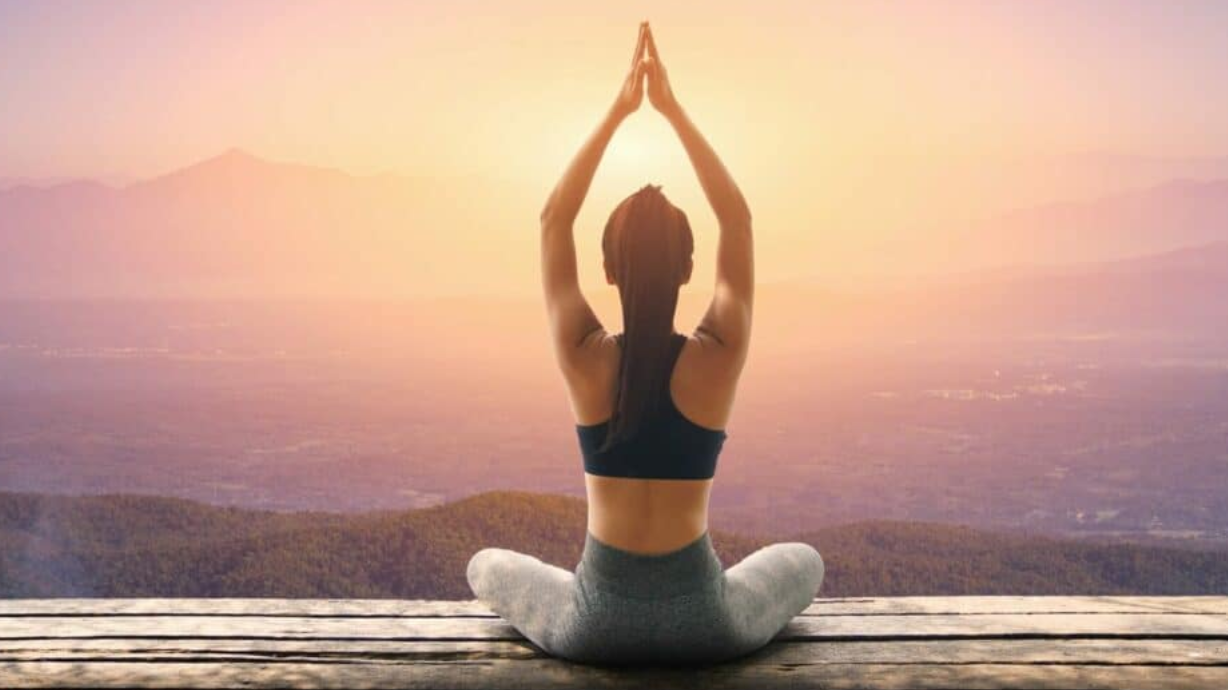
Geometry never left activewear — it just waited for the rest of fashion to catch up.
In 2026, geometric print yoga pants and color block yoga pants aren't a niche aesthetic anymore. They're the dominant visual language of performance bottoms. Industry trend reports are calling this "the year of the print," and geometric patterns sit at the center of that conversation — not as decoration, but as architecture. Lines, angles, and panels that do something. Structure that flatters, elongates, and moves with you.
This is the trend worth understanding from the inside out.
Why Geometric Is Winning Right Now
The shift toward geometric precision comes from something more practical than aesthetics alone. Shoppers are pushing back against fast-fashion noise — the loud, random, all-over prints that look bold on a hanger and chaotic on a body. What's taking over is intentional geometry : patterns placed to follow the body's natural lines, not fight against them.
At the same time, 2026 color direction is pulling toward refined neutrals — stone, taupe, warm gray, mocha — and earthy hues like olive, clay, sand, and muted terracotta. These aren't boring choices. They're smart ones. A stone-and-warm-gray geometric panel legging has the kind of longevity that keeps selling across three seasons. Bold accent colors — deep wine red, mineral blue, warm caramel — show up in focused capsule drops. Not as full-garment floods, but as sharp, high-contrast blocking on an otherwise muted base.
The formula is simple: neutral ground + precision geometry + focused contrast = buy it now, wear it forever.
The Four Panel Structures That Work
Not all geometric layouts are equal. These four construction approaches show up most often across 2026 trend forecasts and performance-driven DTC labels:
Side-panel color blocking — Darker vertical outer panels paired with a lighter inner leg create an instant slimming effect. This isn't just visual; it's seam engineering working with the body.
Angular thigh and hip panels — Triangular or chevron-shaped blocks placed at the hip and glute area lift and sharpen the silhouette. Think of it as contouring, but permanent.
Diagonal wrap lines — Sublimated or seamed diagonal bands that spiral from outer thigh to inner calf. The result is a longer, leaner leg line — in motion and at rest.
Gradient geometry — Sharp shapes at the waistband that dissolve into tonal micro-geometry toward the ankle. This is the "subtle gradient" direction that 2026 trend coverage keeps referencing. It reads as elevated without being loud.
Each structure does what a great tailor does — uses line and contrast to guide the eye exactly where you want it.
Fabric & Construction: What Makes or Breaks the Pattern
A geometric print is only as good as the fabric holding it. For abstract print activewear and color-block yoga pants to keep their visual shape through a full practice or a long wear cycle, the technical specs matter.
The industry benchmark for geometric leggings:
Fabric composition : 73–78% polyester or nylon + 22–27% spandex for full 4-way stretch
Stretch and recovery : ≥150–180% stretch with ≥85–90% recovery — below this threshold, angular geometry distorts at the knee and hip during movement
Finish : Matte or lightly brushed surfaces match the premium, minimalist look that 2026 buyers are drawn to
For construction , 2026 design reports are pushing hard toward seamless knitting — geometry built straight into the knit structure through texture and density variation, not just printed ink. This cuts out the misregistration problem that damages cut-and-sew geometric prints at seams. Where cut-and-sew is unavoidable, the fix is engineered sublimation : artwork files that account for stretch at high-movement zones so angles don't warp mid-warrior pose.
For brands sourcing via OEM yoga pants serveces, the production numbers look like this:
- Solid + cut-and-sew color blocking: ≈200–300 pieces per color per style
- Engineered digital prints: ≈300–500 pieces per print per style
The smart inventory move is to run core geometric colorways (charcoal/stone, espresso/caramel, navy/mineral blue) at higher volumes. Reserve bold accent capsules — wine, plum, sage — for limited drops. This is how the most agile DTC brands are structuring their 2026 product calendars.
Wearing It Right: A Body-Aware Style Guide
Geometric pattern yoga pants perform differently based on where the geometry lands on the body. Here are the pairings that 2026 styling content recommends:
Pear or hourglass shapes : Go with dark side panels and vertical or diagonal outer-leg lines. Keep high-contrast horizontal blocks away from the widest hip point. Shift the geometry down toward mid-thigh to knee instead.
Rectangle or athletic shapes : Use bold hip-to-knee color blocking with a lighter or brighter panel over the glute area to add curve. A V-shaped waistband in a contrasting color creates the look of a narrower waist.
Inverted triangle or broader shoulder frames : Let the lower body carry the visual weight. Strong, dark geometric blocking on the legs balances a top-heavy silhouette.
For outfit pairing, the rule across 2026 style guides is clear: statement leggings + solid, neutral tops + structured layers . A blazer, a long cardigan, or a trench coat in a tonal shade keeps the geometric print as the focal point without tipping into visual overload. Espresso leggings with a camel blazer. Stone-block panels with an oversized oatmeal knit. The geometry reads elevated when everything else steps back.
Where This Trend Goes Next
The long-term direction of color block yoga pants and geometric activewear isn't toward more contrast — it's toward more sophistication. Tonal micro-geometry (small-scale shapes, minimal contrast) and textural geometry through jacquard or seamless knit structures are already taking shape as the next evolution. These are pieces that work at the studio, at the coffee shop, and more and more, at the office.
For brands building out their 2025–2026 product lines: anchor your core range in timeless geometric foundations — stone, taupe, warm gray, navy, espresso — with clean, repeating motifs that don't expire in a season. Save the high-contrast color-block moments for limited capsules tied to specific drops or collaborations. That structure gives you a line with staying power and the seasonal freshness that keeps buyers coming back.
Geometry, done with precision, doesn't chase trends. It sets them.
Berun Activewear: Where Trend Forecasting Meets Factory Floor
Most trend guides stop at the inspiration board. Berun Activewear starts there — and then builds the thing.
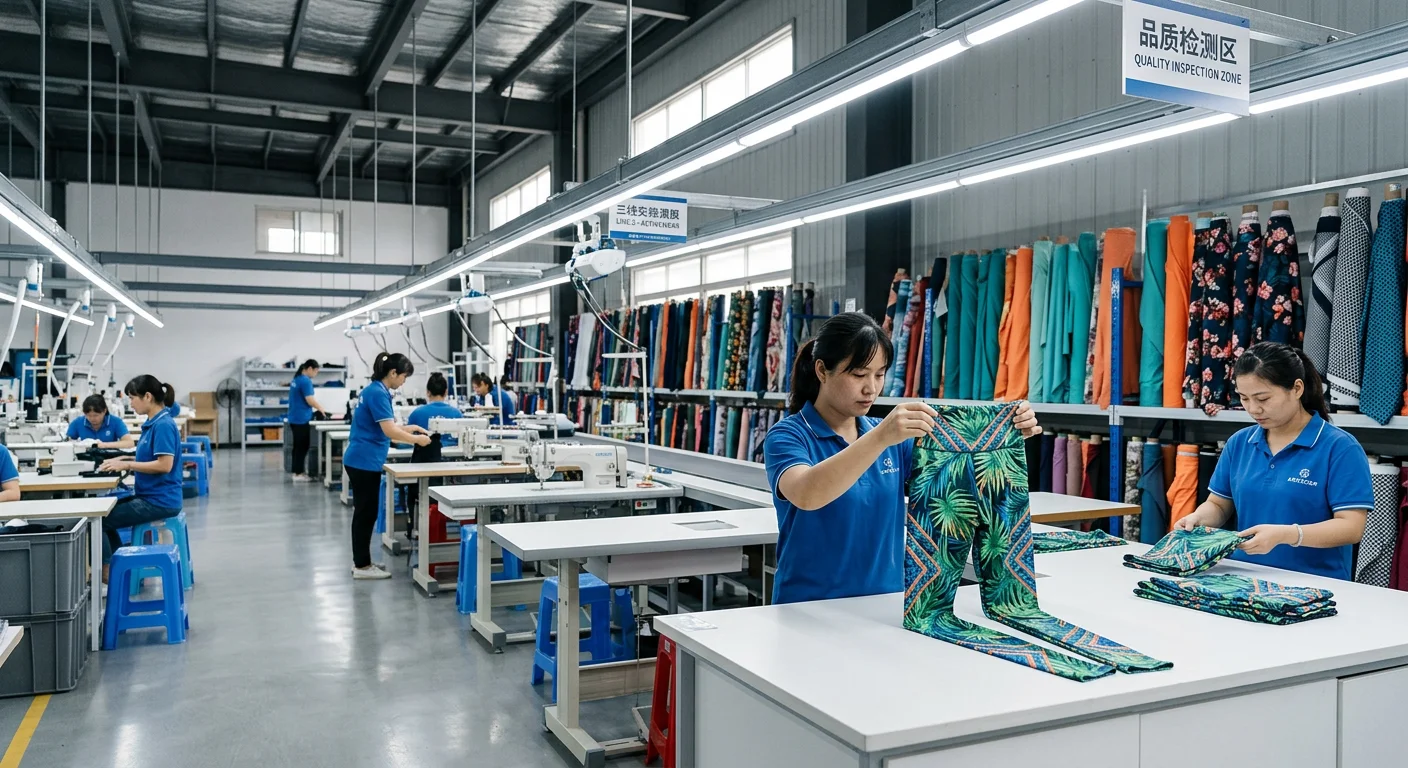
Berun is an OEM/ODM activewear manufacturer based in China. They sit at a useful crossroads for brands that need to move fast on pattern trends. They're not a retailer selling finished leggings. They're the production engine behind private-label activewear collections for fitness startups, DTC Shopify brands, gym studio chains, and multi-brand distributors across North America, Europe, and APAC. North America alone makes up 40–50% of their export volume . That means they already understand the aesthetic preferences driving geometric, botanical, and abstract print demand in your key markets.
Built for Pattern-Driven Production
Berun's relevance to the three trends in this guide goes beyond capacity. The real differentiator is their print infrastructure . Their core method is dye sublimation on polyester/nylon blends . This produces full-coverage all-over prints at 300–600 dpi resolution , with color fastness ratings of Grade 3–4 or better under ISO standards. That technical foundation keeps intricate botanical leaf structures and sharp geometric linework intact through real wear cycles — not just in product photos.
For brands building premium or eco-conscious capsules, Berun also runs reactive and digital printing . You get better hand-feel and deeper color penetration. That's a strong fit for botanical print activewear lines where texture and richness are just as important as pattern accuracy.
Three production examples show the range:
Botanical jacquard capsule for an EU wellness brand — high-waist leggings in tone-on-tone jacquard leaf motif, 75–80% nylon/spandex at 260–300 gsm, squat-proof at 90° flexion, in runs of 600–1,200 pieces per style across 3–4 colorways
High-gloss geometric series for a US startup — dye-sublimated leggings with abstract linework and glossy overlay finish, polyester/spandex 73/27, initial drop of 300–500 sets scaled after sell-through
Gradient tights for an APAC distributor — ankle-to-waist ombre in quick-dry poly/spandex with wicking finish, sized XS–XXL , with QC focus on gradient color alignment consistency at volume
The Numbers That Matter for B2B Buyers
Here's what the operational picture looks like at the sourcing stage:
Parameter | Benchmark |
|---|---|
MOQ (printed leggings) | 50–100 pcs/color/print |
MOQ (solid basics) | 200–300 pcs/color |
Sample lead time | 7–10 days (post tech pack confirmation) |
Proto sample fee | US$30–80 (credited against bulk) |
Bulk production lead time | 25–40 days after deposit & PP approval |
Monthly capacity | 50,000–200,000 pieces |
The 50–100 piece minimum per print is the number worth focusing on. You can run a real trend test — a small botanical print drop or a geometric color-block capsule — before locking in a full-scale launch. Check your sell-through. Read your return data. Then scale the winner to 1,000–5,000 pieces . For brands that want to act on the pattern trends in this guide without taking on heavy inventory risk, this is a solid, low-exposure path forward.
Technical Support That Protects Your Pattern Investment
Berun's design support targets the failure points that end pattern-driven activewear lines before they reach the customer. Their technical team guides you on pattern repeat sizing for sublimation to avoid distortion across larger sizes. This is a common problem with geometric prints — angles tend to warp at the hip during movement. To fix this, vertical seams get moved away from high-stress stretch zones. Construction uses flatlock or 4-needle 6-thread stitching to protect both seam strength and print continuity.
Color management runs through Pantone-matching , with tolerance held within ΔE<1.0–1.5 for primary brand hues. You also get digital strike-offs for approval before bulk production starts. For gradient and ombre styles — trending alongside geometric and botanical prints — consistent color alignment across thousands of pieces isn't a bonus. It's the whole product.
Brands ready to move from trend awareness into product development will find a manufacturing partner in Berun that already works at the technical level these patterns require.
Botanical & Natural Element Print Activewear
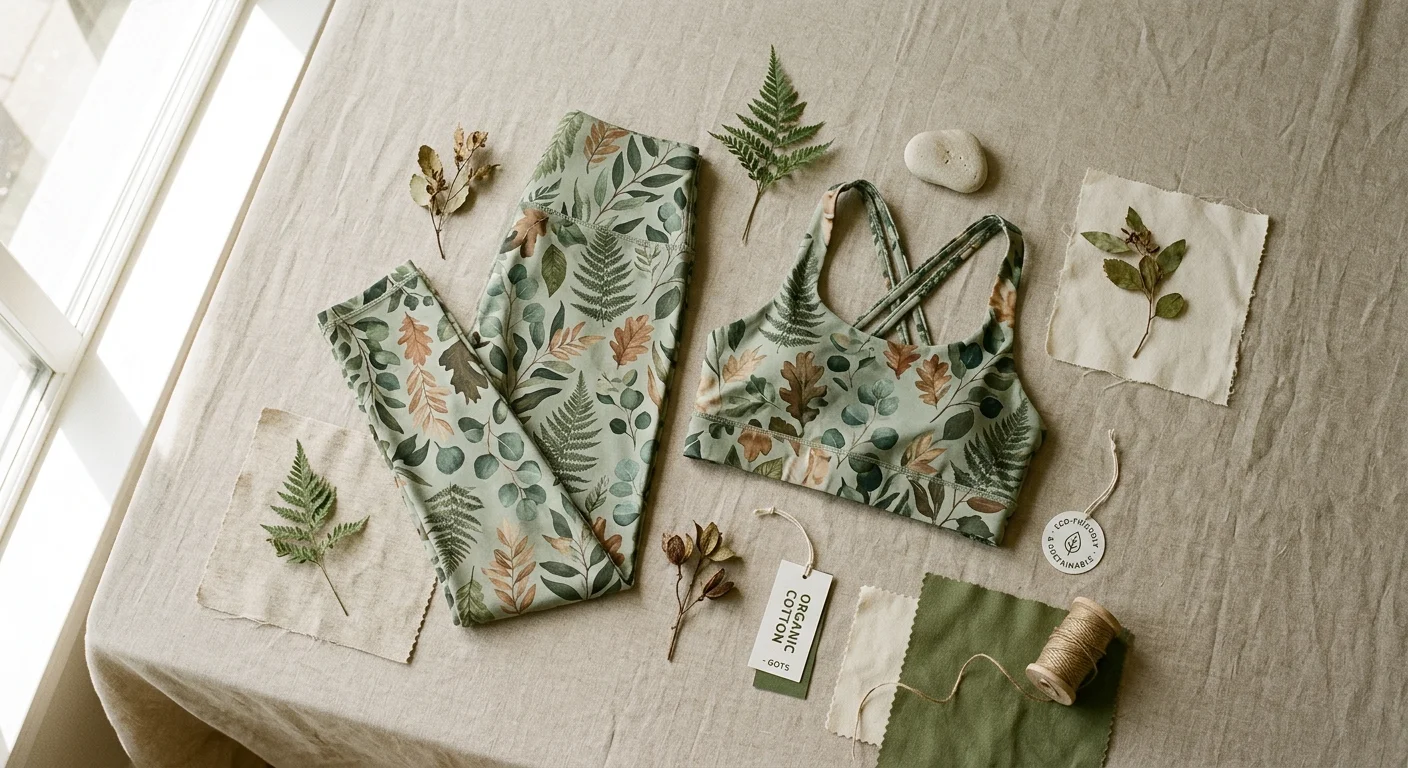
Nature doesn't follow trends. It creates them.
The numbers back this up. Search interest in botanical and nature-inspired activewear prints has surged by 28%. That lines up with broader 2024 marketplace data — nature motifs rank among the top-performing design tags on print-on-demand platforms. The growth is real too: the global activewear market climbed from $342.9B in 2020 to $380B in 2022 , with projections hitting $455.4B by 2027 . Inside that expansion, botanical print activewear is building its own dedicated lane. Not as a seasonal novelty. As a permanent category with growing consumer loyalty.
The reason goes beyond aesthetics. Shoppers aren't just buying a leaf print. They're buying what that leaf represents — calm, groundedness, a breath of oxygen inside a screen-saturated life. Serenity, connection, softness. That emotional core is what the yoga and athleisure market runs on.
Two Storyboard Directions (and Why Both Matter)
Not all botanical prints speak the same language. The strongest product strategies in this space split into two distinct moods:
"Calm Botanicals" — sage, moss, sand, stone. Delicate wildflower line art. Soft botanical illustrations placed along side seams or calf panels. Fine-detail foliage that looks almost solid from across a studio, but reveals intricate veining up close. This direction targets pilates practitioners, studio-wear buyers, and the mindfulness-focused shopper who reaches for a floral pattern legging that won't compete with her morning meditation.
"Tropical Energy" — jungle green, hibiscus red, orchid pink, ocean teal. Macro foliage. Oversized palm fronds sweeping across the quadriceps. Bold placement prints that earn a second look. This is the direction for outdoor yoga, resort collections, and anyone building a color block yoga pants line that wants seasonal freshness without dropping nature as the core story.
The smartest B2B catalog builds both storyboards and treats them as separate drops — core and capsule, year-round and limited.
Pattern Placement: Where the Print Lives on the Body
Botanical prints are forgiving by nature. But where you place them determines whether a legging elongates, sculpts, or overwhelms.
A few placement principles that show up across 2026 design guidance:
Sweeping fronds along the quadriceps lengthen the leg. The diagonal movement of a trailing vine creates forward momentum — even standing still.
Vertical or diagonal leaf trails along side seams slim and elongate. Think of it as the optical work dark side panels do in geometric construction, but softer.
Micro florals and fine-line foliage on the lower leg and calf anchor the print. They keep pattern away from the glutes and hips, where heavy placement can widen rather than flatter.
Asymmetry is the point. Nature isn't symmetrical. Off-center vine placements, one-leg botanical panels, diagonal fronds across a single thigh — these feel deliberate, not accidental.
For extended sizing, offer prints at two scales. A macro version keeps the pattern readable across sizes S–XL even under stretch. A micro or "ditzy" version suits customers who want subtlety, or need the print to stay proportional at larger dimensions.
Fabric Pairing: The "Plant-Based" Narrative
Botanical prints carry a stronger story when the fabric underneath matches the message. Nature prints on sustainable bases aren't just visually coherent — they're a marketing strategy in their own right.
The standard for "natural activewear" positioning sits at ~90–92% natural fiber (organic cotton, Tencel, or hemp) + 8–10% elastane/spandex . Mate the Label, the Los Angeles-based natural activewear brand, nails this with their 92% organic cotton / 8% spandex active sets. The story is clean and direct: plant-based fabrics carrying plant-inspired prints .
For brands sourcing synthetic performance fabrics, recycled polyester or RPET-based blends keep the sustainability angle alive. They also deliver the moisture-wicking and stretch recovery that yoga practice needs. Pair these with:
OEKO-TEX Standard 100 certification for dye and fabric safety
GOTS for organic cotton constructions
GRS for recycled synthetics
Print execution matters here. Digital sublimation on recycled polyester is the industry standard for high-resolution botanical artwork. Intricate leaf veining, petal gradients, and layered foliage depth all hold at 300–600 dpi . Specify minimum ISO 4–5 colorfastness ratings for washing and perspiration. For deeper color saturation and richer hand-feel on premium lines, reactive and digital printing on natural fibers produces results that sublimation on synthetics can't match.
Styling by Body Type
Botanical print workout leggings are among the most flexible patterns in activewear. But fit and figure still guide the best choices:
Athletic or muscular legs : Scale up. Larger botanical repeats — oversized leaves, broad petals — spread well under stretch. They avoid the visual distortion that small, dense motifs create across heavy quad and hamstring volume.
Petite builds : Smaller-scale botanical repeats and vertical vine layouts do the elongation work. Skip wide horizontal floral bands across the knee or ankle.
Curvy or pear-shaped figures : Start with a deep base tone — moss, charcoal, espresso. Add lighter botanical line art focused on the lower leg and side seams. The print adds interest without drawing attention to the widest point.
Tall figures : Go all-in. Full-coverage tropical or forest canopy prints look striking on longer legs without feeling cut off. Consider extended inseams at 30–32" to keep the visual story intact.
Pair any botanical legging with solid earth-tone crop tops or longline bras — sage, beige, off-white. Add neutral trainers or minimalist slides. Layer an oversized organic-cotton sweatshirt or woven overshirt on top. The "forest-bath retreat" aesthetic comes together on its own.
The Long View: Why This Trend Has Staying Power
2024 design forecasting describes botanical prints as "more than just a trend — a versatile aesthetic that offers timeless appeal and a deep connection to nature." That framing matters. It puts this category alongside classics like solid black and neutral gray — always appropriate, never dated, and able to absorb seasonal color shifts without becoming a different product.
The direction from here is specific. Away from flat "cute florals" and toward detailed botanical illustration , organic textures (stone grain, bark, and wood grain worked into print grounds), and micro-detail foliage that reads clean at a distance and intricate up close. These are premium expressions — and they support premium pricing.
For B2B buyers building 2025–2026 product lines, this is one of those rare categories where the sustainable materials story, the wellness positioning, and the pattern direction all push in the same direction. Botanical print activewear doesn't ask you to choose between commercial appeal and brand values. It's built to carry both.
Abstract Art & Digital Gradient Leggings
The canvas shifted. Somewhere between a studio floor and a design marketplace algorithm, the legging stopped being a garment. It became something closer to a statement — fluid, digital, uncontainable.
Abstract print activewear is no longer a novelty capsule that fades after one season. Design file uploads for abstract gradients, fluid marbling, and digital linework patterns on platforms like Adobe Stock have grown into thousands of active SKUs. That's not trend speculation. That's demand made visible — B2B designers and brands are sourcing new pattern files because solid colors aren't selling the way they used to.
The 41% growth in "wearable art" search behavior among buyers under 35 backs up what stock platform data already shows: this category is speeding up, not slowing down.
The Motifs That Are Selling Right Now
Not all abstract prints work the same on a body in motion. The patterns gaining real commercial traction right now fall into five distinct families:
Digital gradients and ombré — Hip-to-ankle fades in lilac, blue-to-teal, and sunset transitions (pink–peach–orange–lilac). Ultracor's gradient lilac leggings are the clearest example of a premium brand treating ombré as a core identity, not just an accent.
Abstract line art over gradient bases — ArtMorfic's Abstract Gradient Line Art Print Leggings (82% polyester / 18% spandex) layer fluid linework over smooth multicolor transitions. The result reads as elevated art, not a standard athletic print.
Brushstroke and painterly allover prints — Non-directional, canvas-like motifs that work across 360° coverage. These suit the buyer who wants something that works in a yoga studio and reads as fashion outside of it.
Memphis-inspired geometric scatter — 80s triangles, squiggles, and grid patterns recolored with neon or pastel gradients. High-energy, widely scattered across the leg, built for full coverage without repeating oddly at seams.
Quiet animal abstractions — Distorted leopard, blurred snakeskin, tonal zebra overlays softened into gradient backgrounds. Think "studio-appropriate animal print" — all the energy, none of the aggression.
Color families with proven sell-through:
- Neons over dark bases (magenta, electric blue, neon green on black or navy)
- Cool digital palettes (cyan, aqua, teal, violet)
- Earth-tone abstracts (sand, terracotta, olive, charcoal) for a more premium athleisure look
The Technical Backbone: What Makes a Gradient Work
A gradient legging fails at the seam or on the size run long before it fails on a trend chart. Production specs matter more here than in almost any other print category.
Fabric benchmark : 75–82% polyester / 18–25% spandex, 220–260 GSM, four-way stretch with full shape recovery. An anti-pilling finish is a must — fine linework and small geometric shapes break down fast on surfaces that pill.
Printing : Dye sublimation on polyester-rich blends handles full-color abstract gradients at 300–600 dpi. You get smooth color transitions and photo-real reproduction. For nylon or cotton-rich blends, reactive dye printing gives better wash-fastness and hand-feel, though MOQs run higher.
The stretch problem : Build every pattern file around 110–120% stretch across hips and thighs . Test strike-offs before going to bulk. Dense motifs crack or whiten along high-stretch areas if the file wasn't designed to handle that movement.
Critical QC checkpoints:
- Gradient color breaks must align at both inseam and outseam — misregistration here ruins the whole visual
- Key motifs must stay clear of crotch, gusset, and seat seam intersections
- Test color bands across the full size run to confirm they don't spread unevenly at larger dimensions
For placed gradients (top-to-bottom ombré), overlay the artwork on graded pattern pieces. The color transition needs to hit the same relative body zone across every size. A waist-to-hip fade in size S should not turn into a mid-thigh color break by size XL.
Styling That Lets the Print Lead
Abstract print activewear carries a lot of visual weight. The styling rule is simple and consistent across 2026 guidance: let the legging be the entire outfit decision.
Pair high-complexity gradient prints with solid, monochrome tops — black, white, beige, or a single color pulled from the gradient itself
Add chunky trainers or a statement sneaker to balance the lower-body visual weight without competing with it
Skip patterned outerwear. A clean oversized sweatshirt or a structured neutral jacket is plenty
For body-type guidance:
- Apple shapes : High waist with a smooth ombré from waistband downward — no sharp color breaks at the hip, which shorten the torso
- Pear or curvy hips : Darker gradient tones around the hip, lighter or brighter transitions toward the calf to shift visual weight downward
- Athletic or rectangle builds : Bold, high-contrast abstract art creates optical curves that a less structured print won't deliver
Vertical and diagonal gradient flows — dark-to-light from hip to ankle — stretch the look of the leg. Central bright gradients flanked by darker side tones work like contour mapping. They narrow the perceived leg width without a single seam doing the work.
The B2B Production Play
The smartest sourcing structure for this category is tiered:
Start with POD or micro-batch runs (1–50 units) through platforms like Zazzle or Etsy-linked sportswear suppliers. This lets you test which abstract stories convert before committing. Once a pattern earns solid sell-through data, move into overseas OEM yoga apparel production at 200–500 pieces per colorway via sublimation on poly/spandex blends.
Run 2–4 abstract or gradient stories per season — neon and bright palettes for summer drops, earth-tone and cool digital palettes for fall. Hold limited artist-collaboration prints for drop-based releases. Small, frequent, pattern-specific drops drive social engagement. They also protect you from the inventory risk that sinks a full-season abstract capsule.
This category is moving from novelty to a reliable staple. The brands that treat abstract and digital gradient leggings as a rotating color story — not a one-time experiment — are the ones that will own this space as the mainstream catches up.
Conclusion
Three trends. Three decisions waiting to be made.
Building next season's activewear line? Or refreshing your gym wardrobe? The patterns you pick today show where you stand tomorrow. Geometric precision speaks structure and confidence. Botanical prints go softer — a quiet push back against all-black everything. Abstract gradients? They're not following trends. They are the trend.
The brands winning right now — like what you'll find at berunactivewear.com — aren't guessing. They read the same cultural shifts you just did. And they move fast.
So here's your next step: don't just bookmark this. Act on it.
Buyers: Lock in your geometric and botanical SKUs before Q3. These are the patterns retailers are moving on now.
Shoppers: Start with one abstract print activewear piece. It's the easiest way to wear 2025 like you planned it all along.
Trends don't wait. Neither should you.