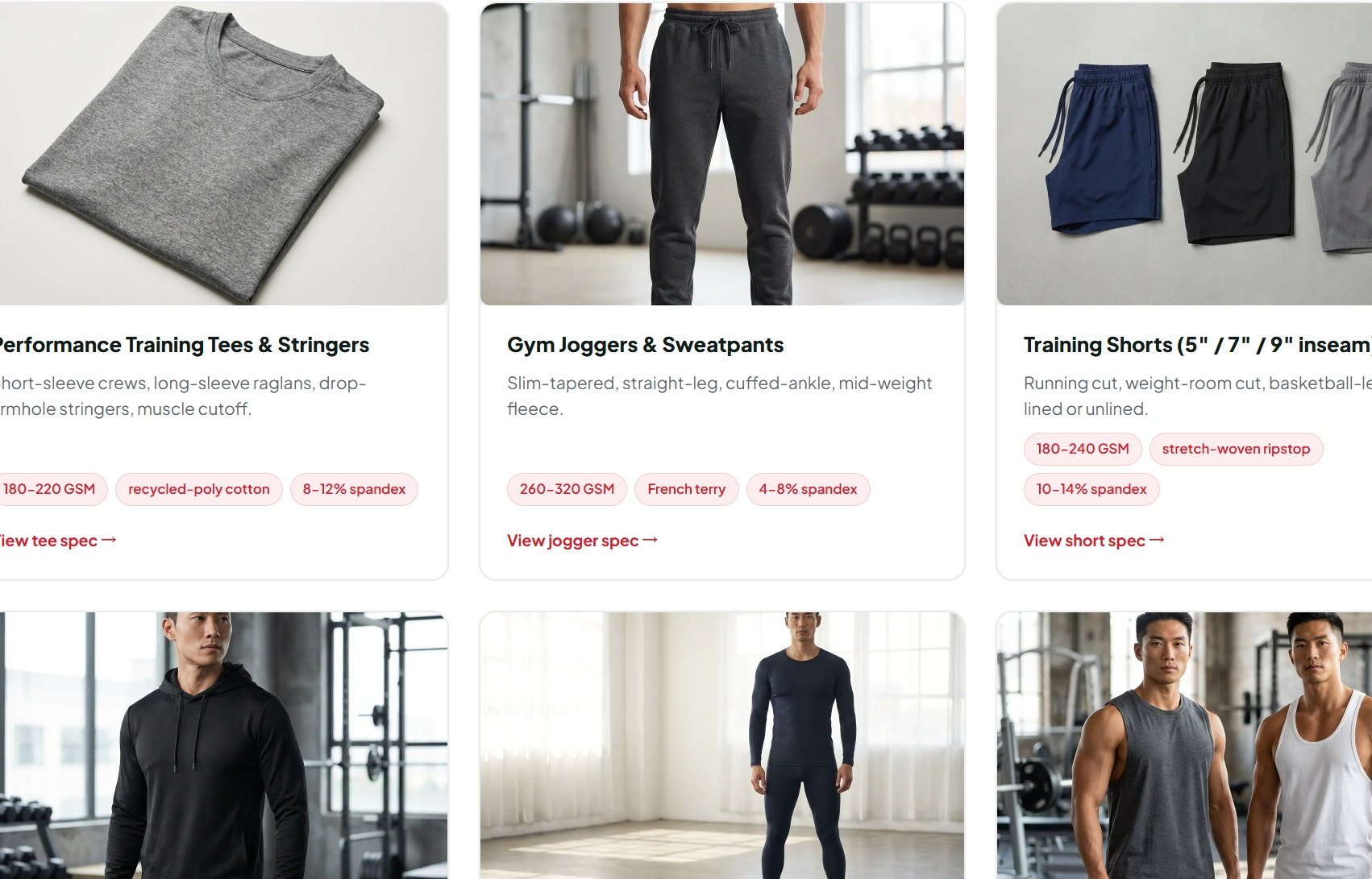
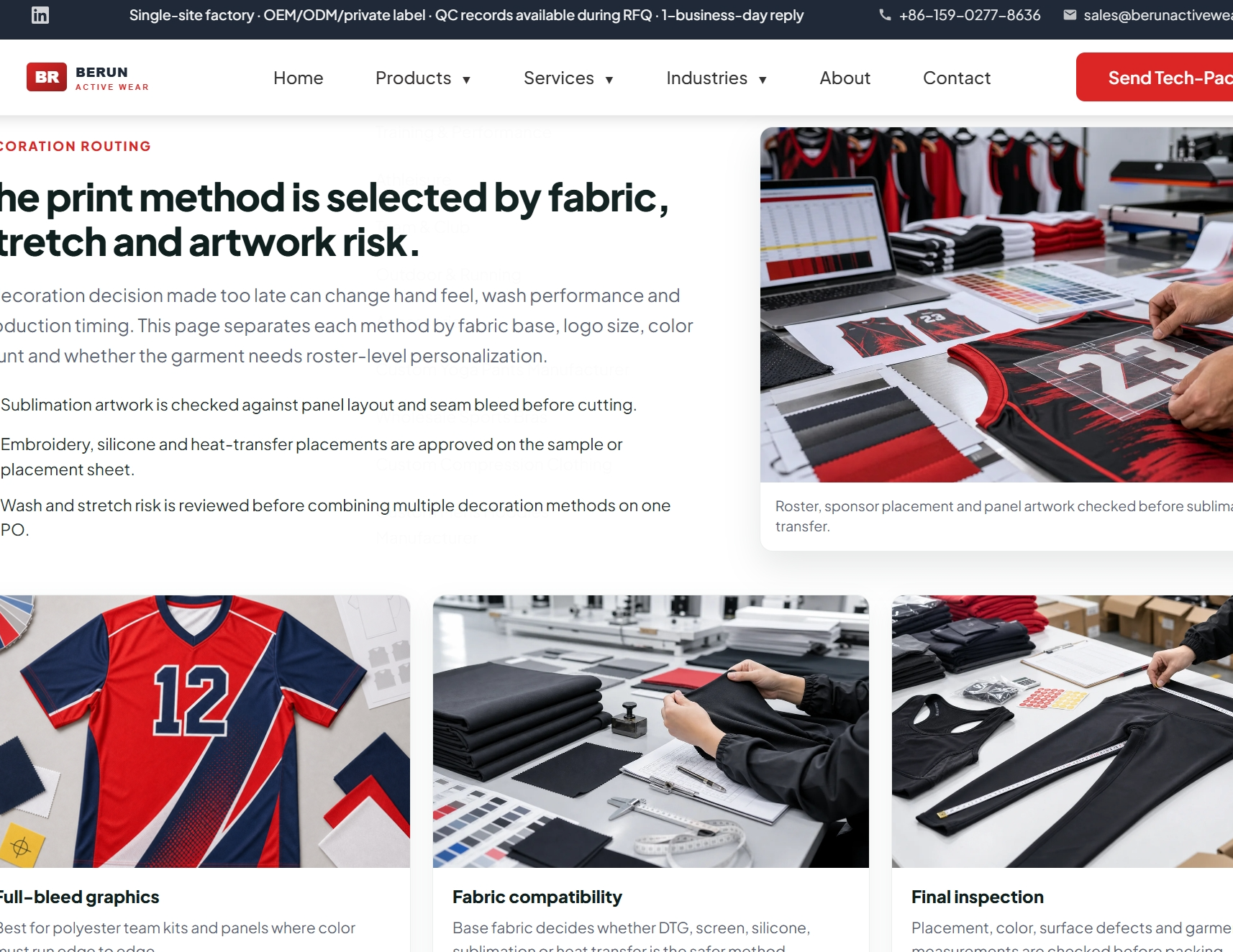
Ever stood in front of your closet at 6 AM, staring at that same faded college tee, wondering if it's time to upgrade your gym game? You're not alone. Every week, I watch dozens of people walk into my gym—some crushing PRs in gear that moves with them, others fidgeting mid-squat because their leggings are riding up or their shirt's soaked through by rep three. The difference is knowing how to choose activewear that matches what you're training for.
After years of testing everything from budget basics to premium performance lines, I've narrowed it down to three pieces that consistently deliver whether you're lifting heavy, sprinting intervals, or flowing through a yoga session. No fluff, no 20-item lists. Just the gear that's earned its spot in my gym bag, and why it might deserve a spot in yours too.
Nike Dri-FIT Training Top
Sweat-drenched cotton tees are why half the gym looks miserable by minute twenty. The Nike Dri-FIT Training Top is built for anyone serious about high-intensity work. It's not a shirt you grab because it's on sale—it's made for the moments when your body's working hardest and your gear needs to keep up.
Nike's product pages spell it out: moisture wicking fabric pulls sweat away from your skin and pushes it to the outer layer, where it evaporates faster. That's the whole point of Dri-FIT. Engineered polyester microfiber doing exactly what it's designed to do.
Who This Top Is Built For
This top shines during high-intensity power training, HIIT circuits, treadmill cardio, and dynamic stretching or warm-ups . If your training day involves deadlifts one minute and sprint intervals the next, this is the shirt that transitions with you.
The Fabric Science Behind It
The engineered polyester microfiber structure is the backbone of this high performance fabric . What makes it stand out from basic gym tees is the mesh panels placed strategically in high-heat zones—typically the back and underarms—to boost airflow when you need it most.
Most versions run 100% polyester , though Nike has expanded into more sustainable options using at least 75% recycled polyester fibers , with some styles dropping to 50%. Either way, performance stays consistent.
Built to Move With You, Not Against You
Nike Pro and Training Top variations use stretchy fabric combined with a slim fit or tight fit cut. The stretch is concentrated where you need it—shoulders, underarms, and the hem—often with elastic paneling or subtle cutouts.
During squats, shoulder presses, lunges, or burpees, restrictive fabric turns every rep into a fight. This top's flat seams reduce chafing, the curved or extended hem keeps things covered without riding up, and the underarm gussets give your arms full range of motion when you're pressing overhead or throwing a punch.
Fit and Who It Flatters
This top runs on the slim-to-tight side , so it's best suited for people with leaner to average builds who want their shoulder and chest lines to show. If you're chasing that lean, defined look in gym photos, this cut does the work for you.
Price and Styling
Expect to pay somewhere in the ¥200–¥400 range across Nike's official store, JD, and Foot Locker, with sales often bringing that down further. It sits comfortably in the mid-tier of fitness apparel pricing—not the cheapest option, but far from premium either.
For styling:
- Pair with high-waisted training pants or shorts if you want to clean up your waistline.
- Go dark colors if you want a slimming, more streamlined silhouette.
- Pick bright colors if you're posting gym content—they photograph better under harsh gym lighting.
- The easiest combo that works every time: Dri-FIT Training Top + black compression leggings .
What It Feels Like Mid-Workout
I've watched people wear this through deadlift PRs and thirty-minute HIIT blocks. The stretch holds up through deep squats and overhead presses without that annoying tug you get from cheaper tees. On the treadmill, the mesh zones make a noticeable difference—less of that trapped-heat feeling by minute fifteen.
Even after an hour of hard training, the quick dry material keeps you from that clammy, stuck-to-your-skin sensation that ruins the last set of any workout. That's the entire promise of Dri-FIT, and honestly, it delivers.
berunactivewear.com
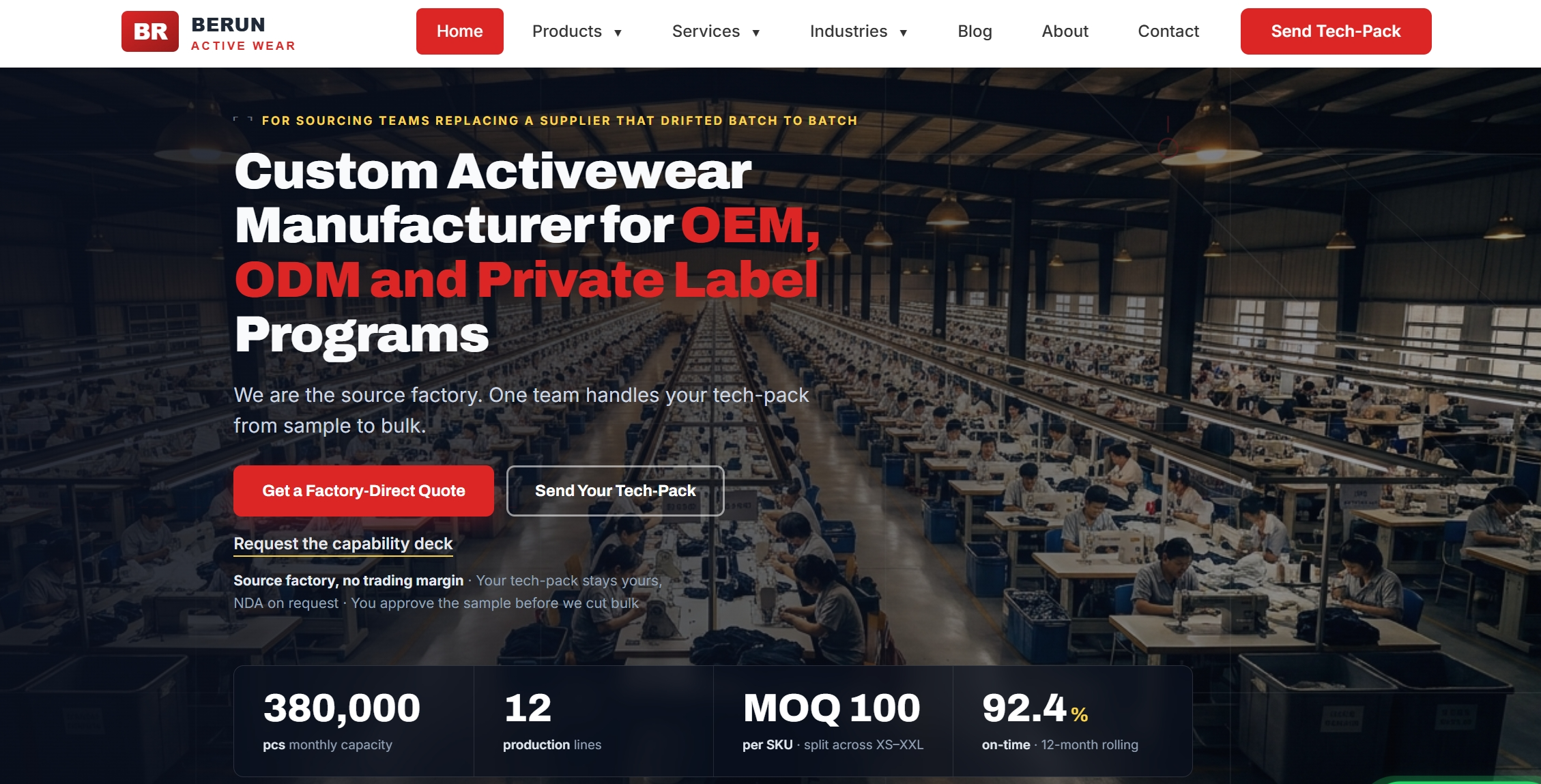
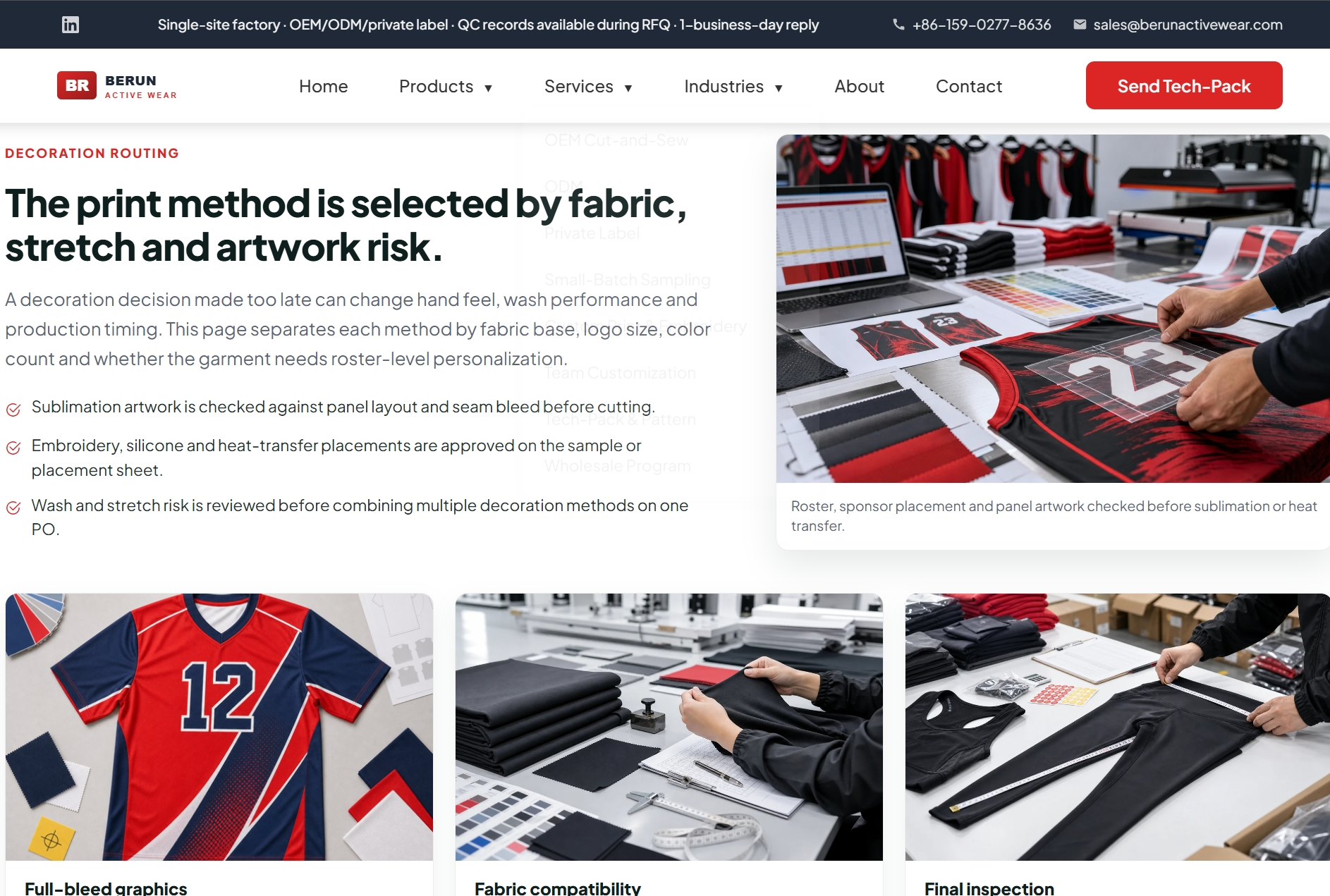
Not every gym look comes off a store rack. Some of the sharpest sets I’ve seen on the gym floor—matching joggers and tops that fit like they were made for that exact person—actually were. That’s where BeRunactivewear comes in, and it’s the pick I recommend to anyone after a custom gym clothing, gym-to-street athleisure vibe instead of another generic drop-shipped set.
Berun is a custom activewear manufacturer, running since 2017, operating out of a single 8,500 m² facility with 280 workers and 12 production lines. Its stated capacity of 380,000 pieces a month means it can handle real production volume for brands, gym chains, and DTC startups across North America, Europe, and ANZ.
Why This Fits the Daily Gym Commute Look
This is the pick for people who want their breathable gym wear to double as street-ready athleisure. Think joggers paired with a fitted top, worn straight from the gym to coffee, no outfit change needed. Berun’s training and performance line covers leggings, sports bras, joggers, compression tops, and shorts. It’s the exact combo you’d want for a work-to-gym set.
The Fabric Behind the Fit
Their fabric specs read like a checklist for stretchable sportswear done right. Common blends include nylon/spandex at 80/20, polyester/spandex at 85/15, and GRS-certified recycled polyester for brands leaning sustainable. Fabric weight runs 180–320 GSM, lighter for shorts, heavier for joggers. So the drape and structure match the garment’s purpose rather than using one blanket fabric for everything.
The stretch spec is minimum 40% elongation in both directions. That kind of moisture-wicking fabric performance holds up through squats, lunges, and long training days without losing shape by week three.
Built for Custom
Berun doesn’t sell single pieces at retail price. Their MOQ is 100 pcs per SKU, split across XS–XXL with no per-size minimum. This option makes the most sense for gym-focused entrepreneurs, small studios, or anyone wanting private-label fitness apparel made to their own spec, not for someone just trying to buy one hoodie.
They list OEKO-TEX Standard 100, BSCI, WRAP Gold, GRS, and Higg FEM. Those are solid certifications if you’re vetting activewear factories for ethical and quality standards before committing to bulk orders.
What I’d Ask For
If you’re seriously considering Berun, skip the guesswork. Request the capability deck, fabric swatches, and MOQ by style. Ask for sampling lead time, bulk lead time, and an FOB quote on training tops, joggers, leggings, and compression tops first. Those are the clearest core categories on their site.
There’s no public price range listed, unlike typical retail activewear. That’s expected for a manufacturer working on custom sports clolthing quick-dry material builds rather than fixed retail SKUs. If you want your exact scenario solved, ask them for a work-to-gym set using their moisture-wicking four-way stretch knit, paired top and jogger, with private label activewear packaging included.
Under Armour HeatGear Leggings
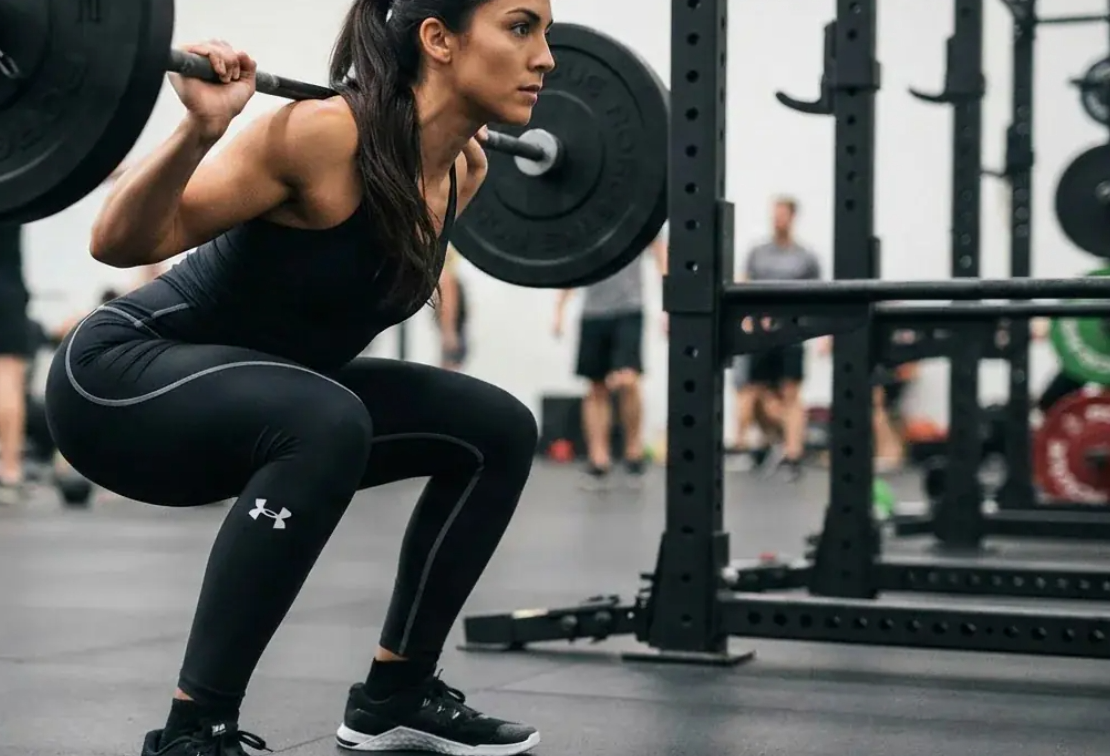
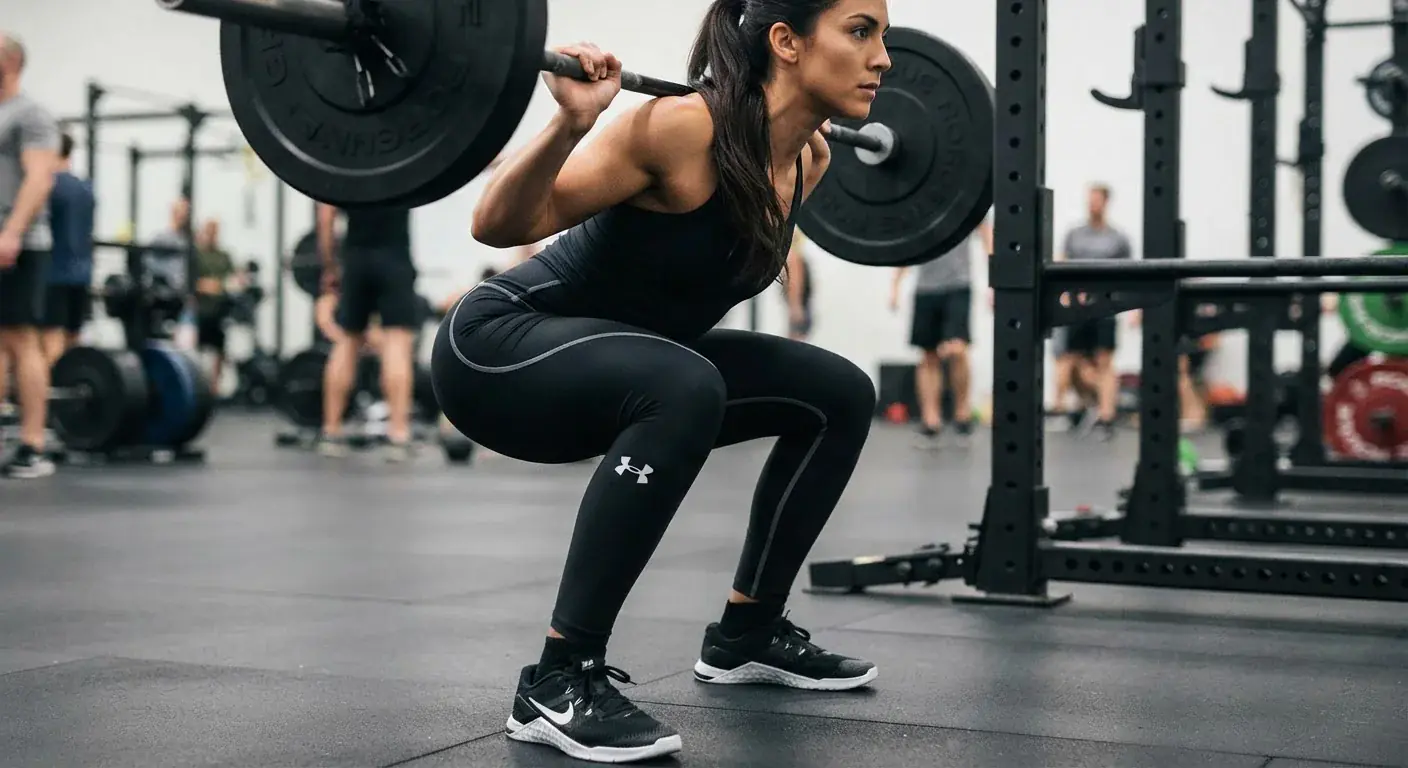
Half the leggings I see in the squat rack area either bunch up at the knee or slide down mid-set. That's the exact problem Under Armour built HeatGear to solve. This is the pair I point people toward when they want compression leggings that actually stay put through a full range of motion, not just look tight in the mirror.
What HeatGear Actually Does
HeatGear is Under Armour's signature fabric for hot, sweaty training. It pulls moisture off your skin fast and dries it just as fast, so you're not carrying extra weight in sweat by the second circuit. With 4-way stretch, the legging moves in every direction your body does—no pulling, no restriction, no awkward pause mid-lunge to adjust.
Built for More Than One Workout Type
These leggings don't lock you into a single training style. They work for:
Yoga and Pilates — the stretch handles deep folds and twists without resistance
Low-intensity stretching or mobility work
Strength training in the gym — squats, lunges, deadlifts
Running and HIIT — where sweat output is highest
Reviewers and Under Armour's own product pages both point to the same strength: freedom of movement during bicep curls, deep squats, sprints, and fast-paced circuit training. That range makes HeatGear a genuine multi-purpose pick.
Fit, Fabric Ratios, and Support Level
This is a compression fit—Under Armour lists it as ultra-tight, second-skin. It's not the loose, relaxed style. If you want a legging that hugs and holds, this delivers. Most versions run 79% Polyester / 21% Elastane, while mesh-paneled styles shift to 92% Polyester / 8% Elastane. Some women's styles come in at 87% Polyester / 13% Elastane. Both high-waist and mid-waist versions exist, and the waistband stays put—no constant tugging between sets.
The Small Details That Matter Mid-Rep
A few features separate this from a basic pair of tights:
Strategic mesh panels for extra airflow in high-heat zones
Flat-lock seams that cut down on chafing during long sessions
Updated gusset construction in the crotch area, built specifically to reduce friction during deep squats and lunges
Odor-resistant technology on most versions
Some styles include a side pocket or right-hip storage pocket—useful if you train phone-in-hand
Inseam options include 28", 29", and a 3/4-length 19", so you can pick based on training style and how much leg coverage you want
Some versions also carry UPF 30+, a nice bonus if your gym sessions bleed into outdoor runs.
Price and Who This Flatters
Retail price sits around $45 USD, which lands in the ¥300–¥500 range depending on where you're shopping. That's mid-tier for fitness apparel—not budget, not premium.
High-waisted versions work best if you're after a cinched waist and a longer leg line. Stick with black or navy for a slimming effect that also pairs easily with almost anything. A cropped top over dark HeatGear leggings is one of the cleanest combos I've seen repeated across the gym floor.
One honest caveat: because HeatGear leans light and breathable rather than thick, some reviewers note it can run slightly sheer under bright lighting. Dark colors solve this. If leg coverage matters more to you than breathability, look at a higher-compression, thicker style instead.
How It Performs in Real Training
Watch someone move through downhill dog, deep squats, or lunges in these, and the flat-lock seams and updated gusset design actually show their purpose—less bunching, less friction, more range. Post-workout, the fitted, lightweight cut transitions easily under an oversized hoodie or light jacket for a coffee run, no outfit change required.
Conclusion
After years of gym-hopping, I've learned the right gear changes how you move. Whether you're grinding through squats in moisture-wicking fabric that actually keeps you dry, or stretching into yoga in something seamless and breathable, your workout gear should work with your body.
You need three solid go-tos that match your training style: Nike's Dri-FIT for high-intensity days, Under Armour's HeatGear leggings for compression support during heavy lifts, or a versatile pick from Berunactivewear.com for everyday gym runs.
Next time you're standing in front of your closet debating what to wear, skip the hesitation. Pick one of these three, throw it on, and walk into the gym.