Guessing which SKUs actually move is the failure rate in bulk activewear buying. You order 500 units of a legging that seemed like a safe bet, and three months later you're staring at a stockroom of unsold inventory in three sad colorways.
This is the opinionated, slightly battle-scarred list of exactly which categories deserve your working capital first when you're doing an activewear bulk buy clothing run, and which ones look tempting but quietly drain your margins through returns, pilling, or fit complaints. We're breaking down the profit math, the hidden fabric traps, and the reorder logic behind each piece, so your first wholesale leggings drop actually sells through before your second order ships.
Leggings: The Backbone of Bulk Activewear Inventory
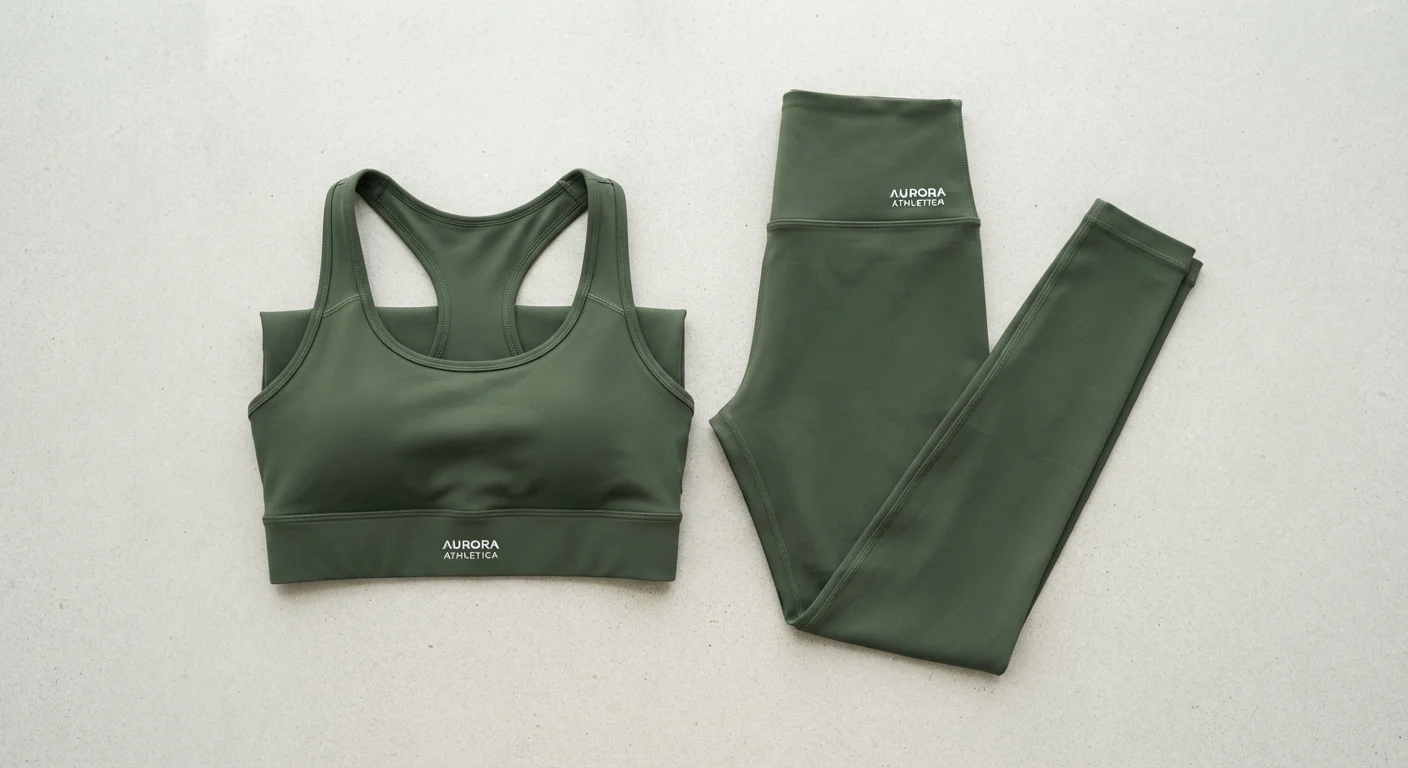
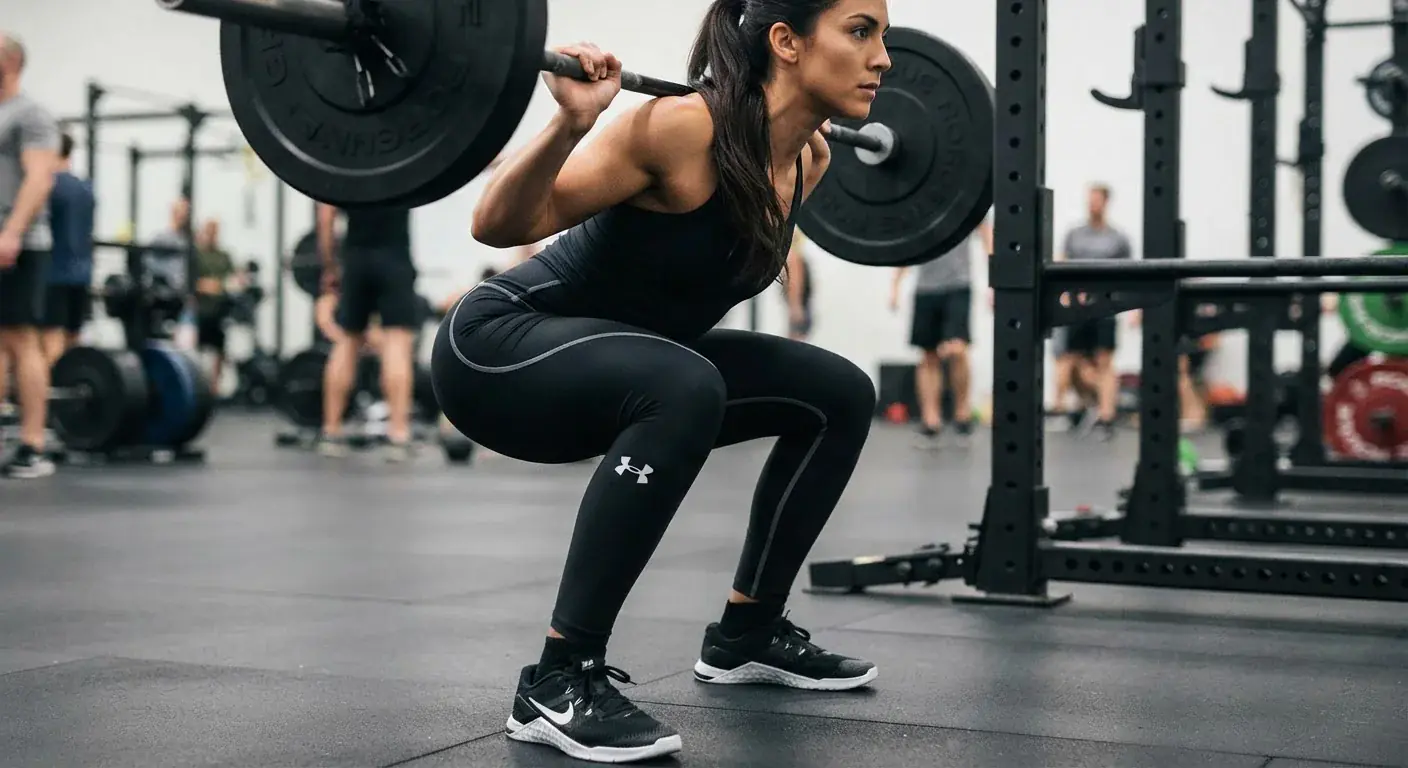
No other category carries the weight leggings do. They captured 27.42% of global women's activewear revenue in 2025 , making them the single biggest line item in the entire market. That tells you where your first wholesale leggings dollars should go.
Before you commit a budget, here’s the pricing reality. Bulk unit costs typically run $6–$12 per piece , with seamless styles pushing toward that upper edge. One activewear supplier’s actual breakdown: $10.50 FOB , plus $2–$3 in freight and duties , landing you around $13–$14/unit at a 200-piece order . That’s your real number, not the sticker price.
MOQ, Simplified
Most activewear suppliers set MOQs at 100–300 pieces per style/color , though several offer 50–70 piece trial runs for first-time buyers wanting to test the water. Take the trial option. It exists for a reason.
Start Narrow, Not Wide
Your foundation SKU: mid-rise, full-length black leggings . One core style, capped at 2–3 colors max . Resist the urge to diversify early. Leggings multiply fast. A single style across 12 colors and 9 sizes already hits 108 SKUs . Add 3 inseam lengths and you’re at 324 SKUs before touching fabric weight or finish.
Why This Category Rewards Patience
Fit-driven purchases mean once someone finds their silhouette, they return for more colors and replacements. That’s the repeat-purchase engine working in your favor.
But returns cut both ways: fit issues can add 60–80% on top of outbound fulfillment costs . On an $80 pair , outbound alone runs $5–$8 . Wash-test seamless styles before scaling past 100 units. Pilling and fit failures erase margin fast, and cartons of leggings are bulkier than their weight suggests, so freight always deserves its own line in your math.
Berunactivewear.com — Custom Activewear Manufacturer for Bulk Orders
One factory, one QC process, one consistent fit across every category. That's the real appeal here. BeRun active wear has been running its 8,500 m² facility since 2017. 280 workers and 12 production lines turn out roughly 380,000 pieces monthly for gym chains, DTC startups, and smaller sellers building out a private label activewear line .
What Actually Matters for a First Order
The MOQ sits at 100 pieces per SKU, split across sizes. That's workable if you're testing leggings, bulk sports bras, joggers, or compression wear wholesale without locking up six-figure capital. Sampling runs $45 per piece, five working days on stock fabric, closer to twelve on custom activewear fabric. That fee gets credited back once you commit to bulk. Bulk lead time lands at 35–42 days on stock fabric, 48–58 days if you're going custom.
Why It Solves the Fragmentation Problem
Running one athletic apparel supplier across six-plus categories — leggings, sports bras, compression pieces, tees — gets you one shipping schedule, one quality standard, and far fewer vendor headaches when you scale a test order into a real reorder.
Sports Bras — High Margin, Low Fabric Cost, High Repeat Potential
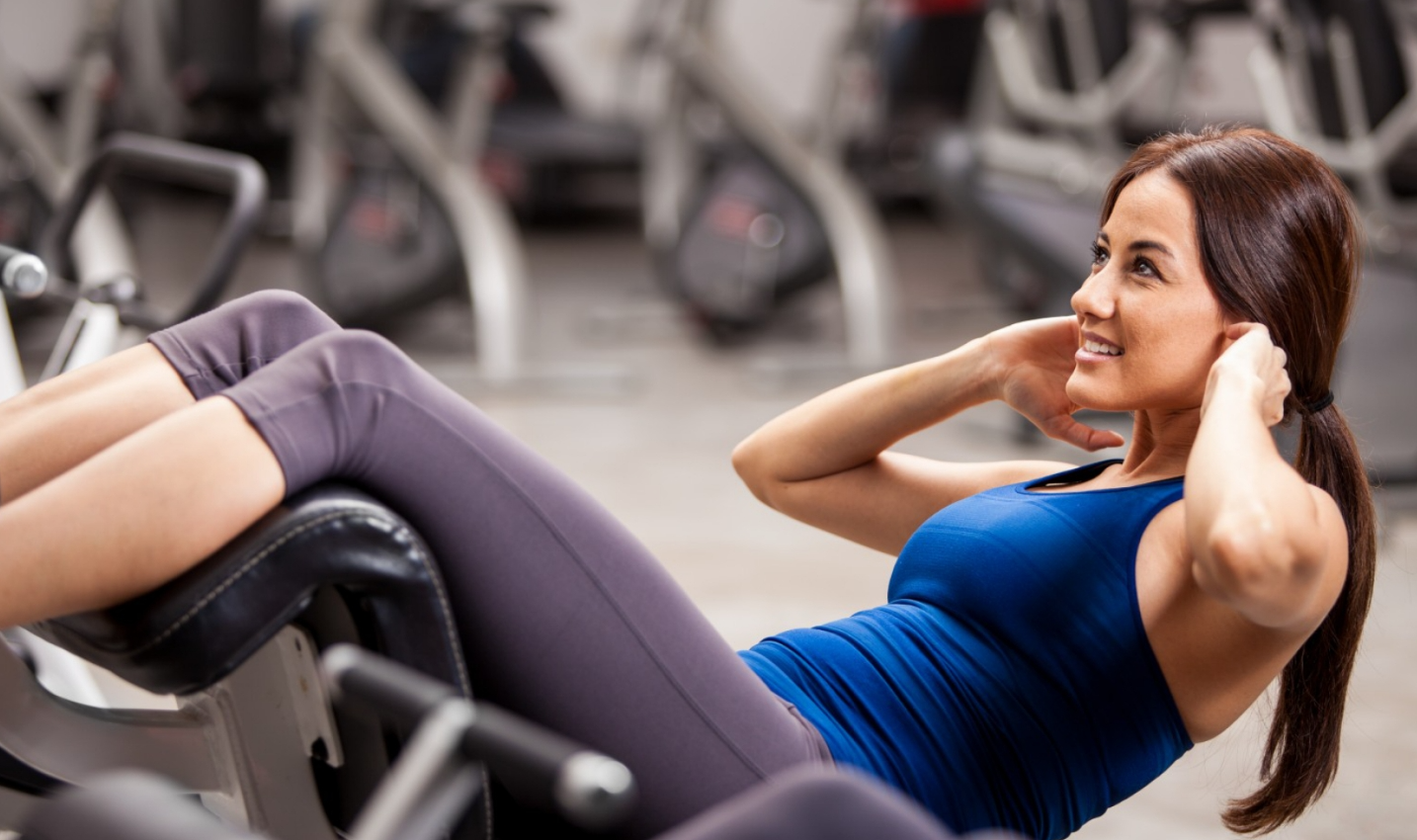
Bras are the quiet workhorse of a smart bulk sports bras strategy. They're cheaper to build, faster to ship, and forgiving enough to test your audience before you sink real money into leggings.
The Cost Math Favors You Here
Basic low-impact styles run $3–$5/unit . Medium-support with removable cups land at $4.50–$7 . High-support longline builds hit $5.50–$9 . Fabric alone drives 60–70% of total cost , so a simpler construction protects your margin. A bra uses roughly 0.6m of fabric versus 1.2m for leggings , with CMT costs of $4.50–$6 compared to $6–$8 . At a $15–$25 retail price, you get a 50–65% gross margin — one of the better margin structures in activewear.
Where to Start, What to Skip
Stick with racerback pullover styles in S–2XL . Skip underwire and front-clasp constructions for batch one. They add cost and complexity without proven demand. Spell out the construction on your PO: "single-layer compression" or "encapsulation-compression hybrid." That way the factory doesn't quietly substitute.
The Hidden Risk to Plan For
Sizing inconsistency drives return rates up to 30% in some DTC channels. That's your real fabric trap — not pilling, but cup-fit mismatch.
MOQs typically sit at 100–300 pieces/style , with some activewear suppliers offering 50-piece test runs at a premium. The category is projected to grow from $11.2B in 2024 to $16.8B by 2030 . Your first dollars should land here.
Shorts — Season-Proof Category with the Lowest Bodily Fit Risk
Fewer failure points, fewer headaches. That's the case for shorts. Unlike leggings, where kneecap coverage and ankle fit can sink an order, shorts only hinge on three variables: waistband rise, thigh opening, and inseam length. That's a simpler fit equation, and simpler means fewer returns.
Where to Anchor Your First Order
Identify the use case covering at least 60% of expected wear first, then build inseam and fabric around it.
Women: 5"–7" inseam, mid-rise, elastic waist
Men: 5"–7" inseam (7" reads as the "professional baseline" in most buying guides)
The Bulk Mix That Works
Split your run 60% elastic-waist/simple hem for athleisure volume and 40% liner-integrated performance shorts for gym buyers. Pilot at 200 units before committing deeper — that validates rise, length, and fabric mix without overexposing capital.
Gusset Construction Quality Check
Ask for seam-strength or burst-test data on gusset construction before scaling. Gusset failure is the quiet return driver nobody flags until complaints roll in. Shorts aren't seasonal dead weight either — gym, running, and indoor heat keep them moving year-round.
Performance T-Shirts — Lowest MOQ, Best for Custom Branding Tests
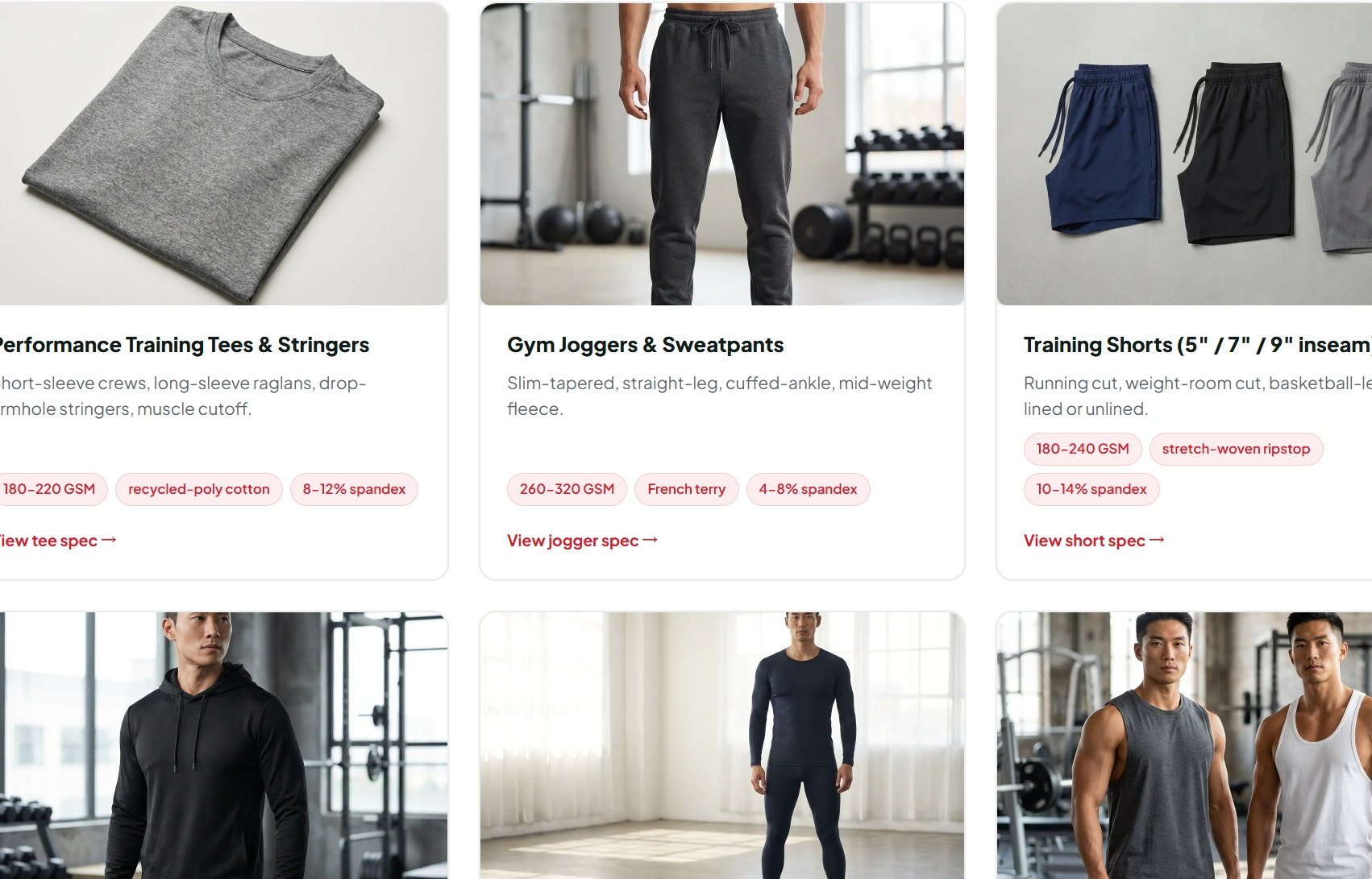
Skip the six-figure production run. Performance tees let you test branding before you bet big on it. Blank or semi-custom sports shirts let you validate a logo, a placement, a message, without committing to a full private-label order.
Where to Shop Low MOQ
Here are the options:
Underground Shirts — no minimum
ooShirts — 12 pieces for screen print, 1 for DTG
RushOrderTees — 1 to 162, depending on decoration
Mavyq — 50 pieces, mixable sizes
ClothingProducer — starts at 10 pieces
Pricing Benchmarks for Stage 1 Testing
Alibaba-style performance fabric tees run $3–$8 per unit at 100–200 pieces. Low-MOQ basic tees land at $8.20–$11.60 FOB around 50 units. Blank runs $3–7, custom activewear printed $5–10. That's your realistic stage-1 math.
The Fabric Line That Matters
Use moisture-wicking polyester or poly-spandex blends. Cotton doesn't earn a performance tag, no matter what the product listing says.
Decoration and Color for Batch One
Use DTG for one-off testing. Switch to screen print once you're repeating logo proofs. Stick to black, white, navy, charcoal — neutral colors keep you out of fashion-sensitive dead stock. Anchor sizes at M–XXL, and confirm whether the MOQ counts per SKU, per color, or across mixed sizes before you quote.
Tanks — Highest Visibility per Unit Cost, Minimal Return Headaches
Nobody returns a tank because it doesn't hit right at the knee. That's the whole point.
The Price Band
Basic cuts run $3–$8/unit . Racerback or cropped styles climb to $6–$12/unit . Either way, tanks use less fabric than leggings or hoodies, so you get lighter cartons and better margin room before you even account for sell-through.
Why This Is Your Safest Test SKU
No leg length, no cup sizing, no fit complexity that turns into a customer service ticket. Tanks sidestep the return headaches that plague bottoms and bras.
The Merchandising Play
Use tanks two ways: as a standalone gym top and as a layering piece under jackets — which stretches sell-through past summer. They also fold flat and stack dense, cutting your per-unit shipping cost. Best bet: throw them in as an MOQ filler SKU alongside leggings and sports bras to round out a mixed order without opening a new sourcing lane. Prove core colors first, then add cropped styles once sell-through confirms demand.
Compression Wear — Less Competition, Higher Profit Margin, Tight Supply Chain
Most small buyers walk right past compression wear. This category is valued anywhere from $5.49B to $25.59B in 2025, depending on which market slice you're reading. It's split between 120+ regional and international brands, but the top 5 only control about 48% of that. Compare that to leggings or tanks, where a handful of giants eat the whole pie. Here, the field's still open enough for a private-label seller to walk in.
Why One SKU Covers Five Customer Types
A single compression legging or top serves runners, CrossFit regulars, recovery-focused buyers, and shapewear customers all at once. That's rare. Most activewear SKUs serve one crowd. This one serves four or five, which means your sell-through math looks better before you've even shipped a unit.
Pricing and Margin Reality
Wholesale runs $8–15/unit for basic compression tops and bottoms. Brands like 2XU, Wacoal, Under Armour, and Leonisa built this space on fit and performance claims, not price wars, so retail can support a 2–3x markup over what you'd charge for a basic tee.
Where to Start
One compression top, one bottom, core colors only. Fit is unforgiving here: get your size chart locked before you place the PO, or returns will eat your margin fast.
Matching Sets — High Ticket Item Driving Average Order Value
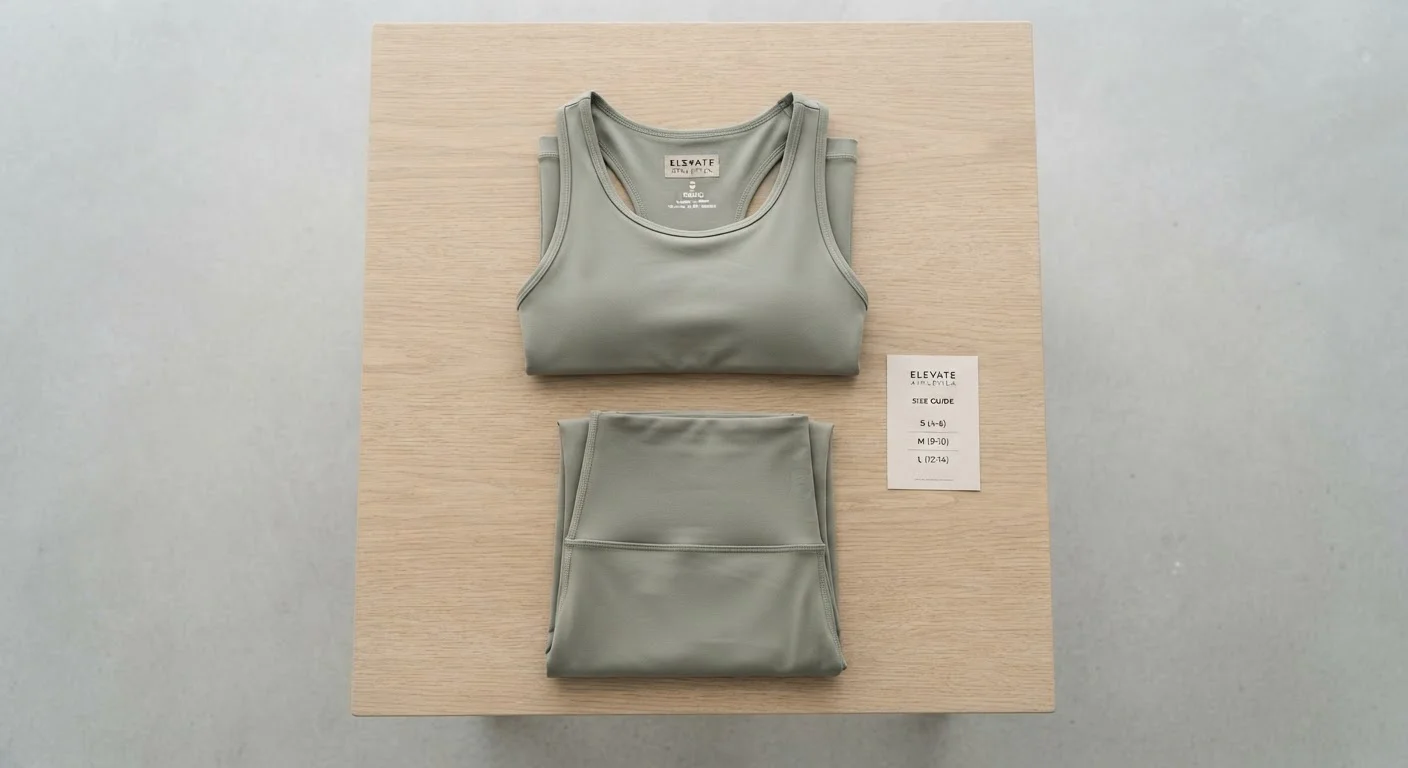
AOV is total revenue divided by total orders. Sell a bundle and you raise revenue per transaction without chasing a single extra customer. That’s the entire case for matching sets.
The Numbers That Justify the Shelf Space
Premium fashion AOV benchmarks sit at $150–$200 for 2026, well above what a standalone legging or bra pulls in on its own. Product bundles lift AOV by 25–35% , according to ecommerce benchmarking data. Pair a top with a bottom, or a bra with a legging, and you’ve sold one higher-ticket decision.
Where Sets Belong in Your First Order
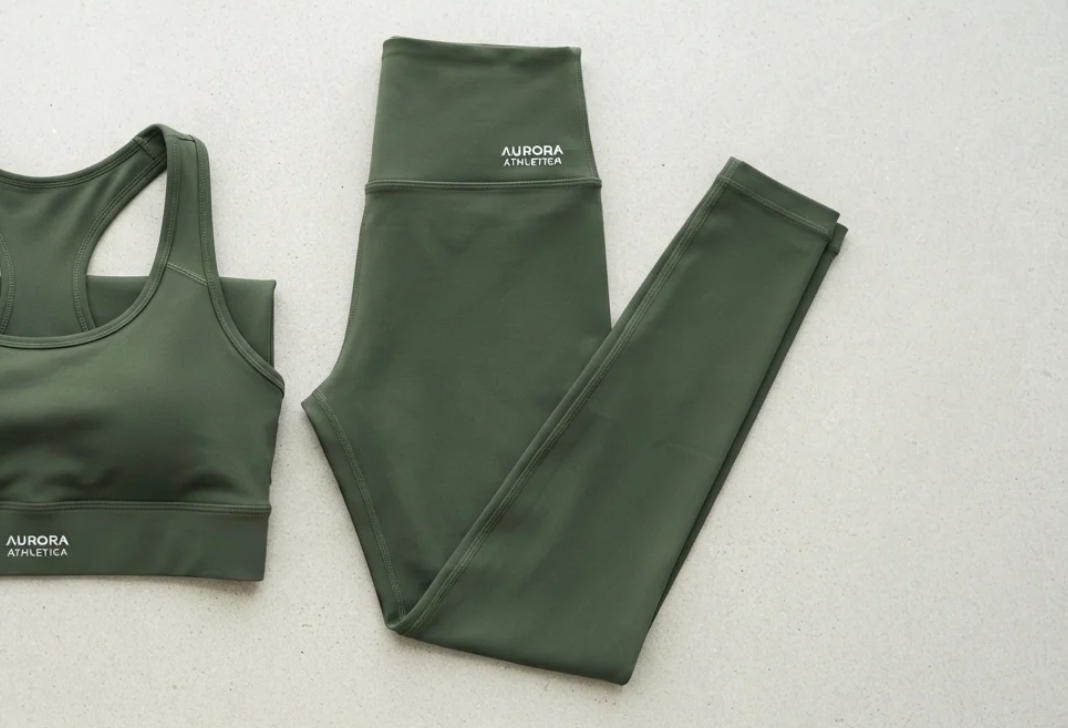
Use matching sets as an upsell. Keep them a minor share of your test order and let them do cross-sell work alongside your leggings and sports bras. The pairings that convert are tee + short, top + bottom, and bra + legging. These are simple, obvious, and complementary.
The One Sourcing Rule That Protects Margin
Fabric, color, and sizing must match exactly between pieces. A set with a slightly-off dye lot reads as sloppy, and sloppy kills repeat purchases — especially since repeat buyers already spend 4.8x more than first-timers. Don’t let a coordination mismatch cost you that math.
Core Bulk Selection Strategy — Build This Into Your 8-Week Test
To protect your cash, don't bet everything on one category. Stagger the spend and let real sell-through data, not your gut, decide what gets reordered.
Phase 1 (Weeks 1–2): The Foundation Buy
Launch with 500 units across 3 SKU families . That's 200 neutral leggings (black, navy, charcoal), 150 sports bras (racerback, pullover, no wire), and 150 performance tees (crew neck, moisture-wick). Budget $3,500–$5,000 for the goods, plus shipping on top. This is your baseline test.
Phase 2 (Weeks 3–4): Follow the Data
Look at what actually moved. Isolate your top 2 categories and reorder at 2x volume . Now add 100 shorts and 100 tanks to check fit acceptance before you scale further. Anything under 40% sell-through by day 45 gets marked "not reorder". Clear it through a bundle or promo before it ages into final-sale purgatory.
Phase 3 (Weeks 5–8): Layer in Margin
If your average category sell-through clears 60% within 4 weeks , add 50 matching sets and 50 compression wear pieces as your higher-margin upsell layer. Aim for a 65% sell-through within 60 days across the whole run.
Why the Math Protects You
A $5,000 spread across categories limits your exposure if three of them flop. Compare that to dropping the same $12,000 into 1,500 leggings alone. A single miscalculation there creates dead stock you can't bundle your way out of.
One Supplier, Fewer Headaches
Sourcing 4–6 categories from one athletic clothing supplier (leggings, sports bras, shorts, tees, tanks, compression) cuts MOQ overhead, avoids split shipping, and often unlocks cross-category volume discounts you won't get buying piecemeal.
Conclusion
After enough test orders to know better, I'll tell you this: you don't need eleven categories in your first bulk buy. You need seven that actually move. Leggings and sports bras carry your repeat business. Shorts and performance tees give you low-risk MOQ room to test prints and branding. Compression wear plus matching sets are where your margin quietly lives. Skip the fabric that pills after three washes. Skip the "one size fits most" gamble on bras. Those decisions turn a smart buy into a stockroom of regret.
If you're building your first order, run the 8-week test strategy category by category, starting with leggings and sports bras as your anchor. Talk to a gym wear manufacturer who'll walk you through fabric specs before you commit to volume. That conversation costs nothing. Guessing wrong doesn't.