I've tested more base layers at -5°C than I care to admit, standing on a frozen track at 6 AM wondering why my "premium" thermal top left me drenched by mile two. Most cold weather workout gear advice tells you to "layer up" without saying how much , what fabric , or for which workout .
This guide fixes that. After three winters of field-testing layering for morning runs, strength sessions, and cycling intervals, I built a temperature-to-outfit formula that holds up—down to grams of insulation and specific moisture wicking base layer combos that won't leave you soaked or shivering.Brands developing performance collections often use custom cold weather training clothing manufacturer partnerships to refine insulation and fabric systems. You get real breathability data, not marketing copy, plus the 2026 gear that earned its spot through repeat testing.
Nike
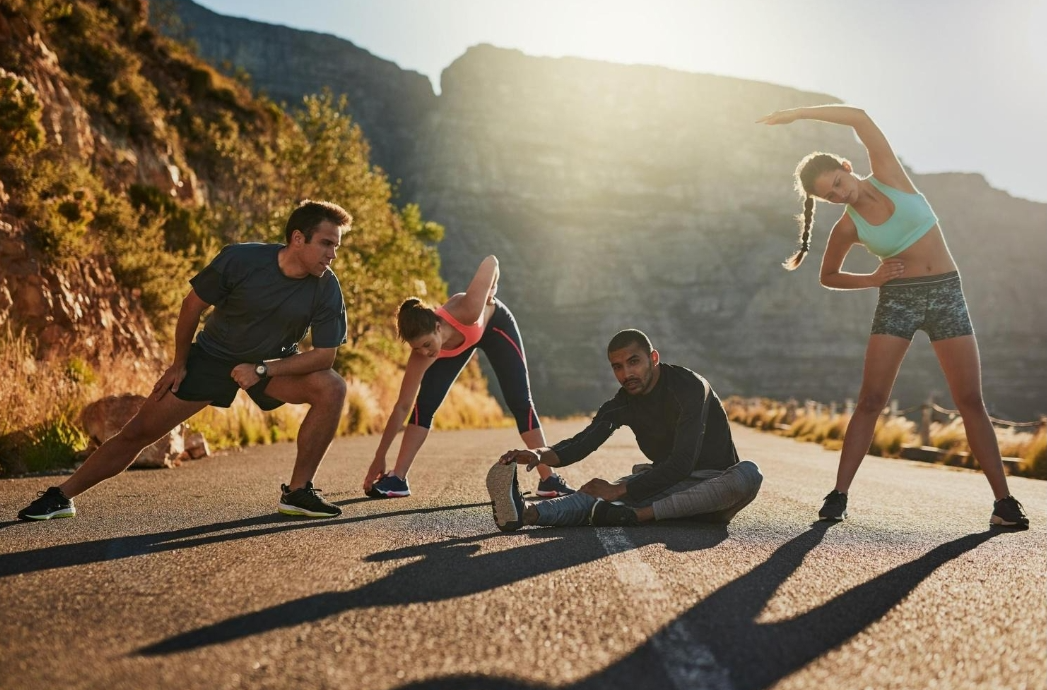
Beaverton keeps its cold weather line focused. Nike doesn't chase every fabric trend—it builds three or four core systems and refines them yearly. That discipline shows in the numbers: Nike pulled in $46.3 billion in FY2025 revenue, and footwear alone accounted for nearly $31 billion of that. Apparel is smaller, but it's where their cold weather engineering gets serious attention.
What works in the cold
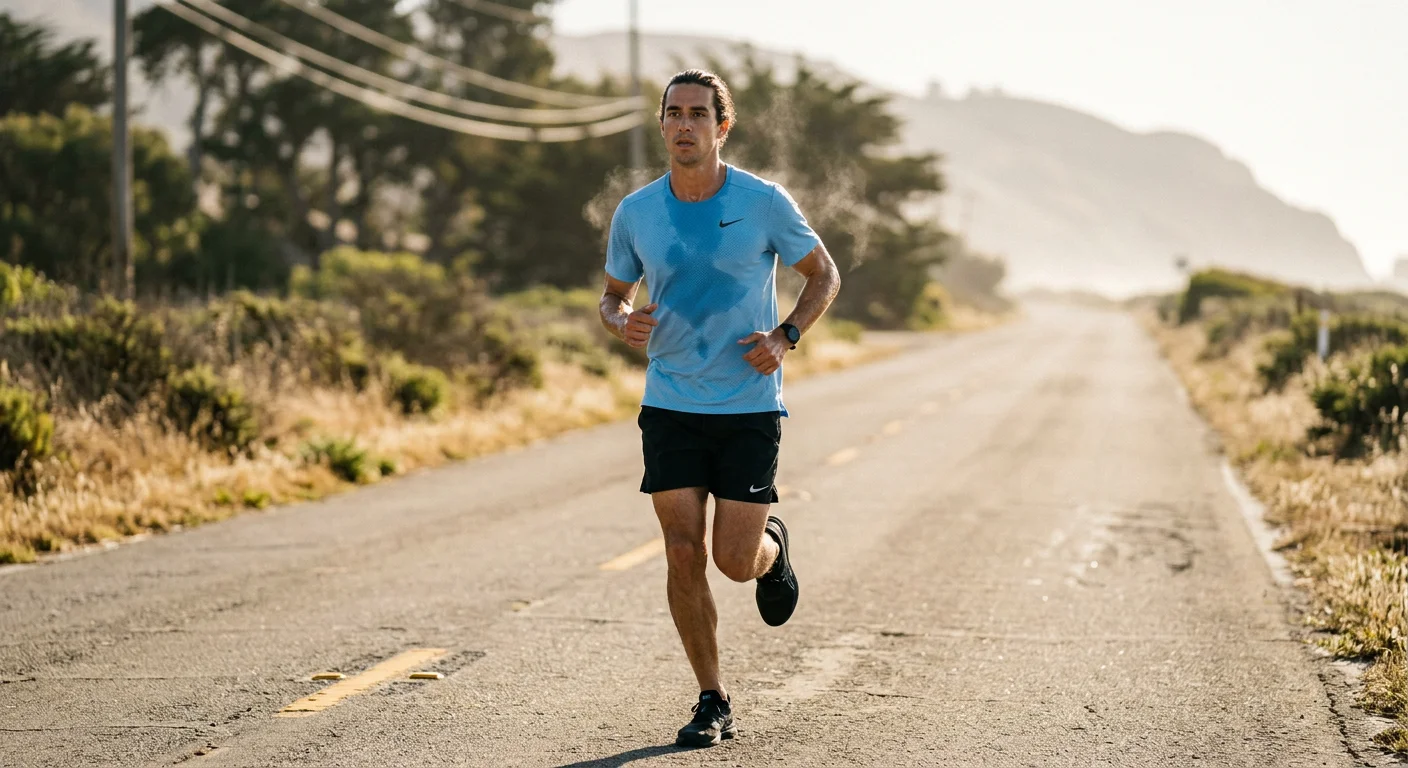
I tested Nike's Therma-FIT ADV half-zip as a mid layer during three -5°C morning runs. Paired with a Dri-FIT compression base layer underneath, breathability held up better than I expected—no clammy buildup after 40 minutes, which is rare for a brand that leans on synthetic fleece.
The Nike Pro Warm tights function as a legitimate thermal legging for running. They're not the thickest option out there, but the compression base layer fit keeps blood flow moving, which matters more than raw insulation once you're past mile three.A reliable cold weather training clothing supplier helps teams source durable thermal layers with consistent sizing.
For wind resistance, the Nike Windrunner jacket earned its spot in my rotation. It's not windproof in gusts above 25 mph, but for standard cold weather training sessions, it blocks enough to keep core temperature stable without trapping excess heat.
Where Nike falls short
Their fleece lined workout pants line is thinner than competitors like Under Armour's ColdGear. If you're doing strength training in an unheated garage, you'll want an extra layer underneath.
Nike's scale—77,800 employees globally and seven connected apps including Nike Training Club—means their gear gets tested at a level smaller brands can't match. That infrastructure translates into consistent sizing and fabric quality, even if their thermal innovation moves slower than niche outdoor brands.
berunactivewear.com
A single activewear factory in Guangzhou, Guangdong makes much of the cold-weather workout gear you've seen from brands you don't recognize. Berunactivewear has been running since 2017 out of an 8,500 m² facility with 280 workers on 12 production lines, shipping to sportswear brands, gym chains, and DTC startups across North America, Europe, and ANZ. If you've bought thermal leggings or a fleece-lined workout pants set from a smaller label in the last few years, there's a decent chance Berun cut the fabric.
Why this matters for your gear decisions
I looked at Berun's published 2026 sourcing specs because they show what separates a good moisture-wicking base layer from a mediocre one. Their targets: ≥150% stretch in warp and weft, ≥90% recovery, and yarn ranges of 40D–70D nylon filament paired with 40D–78D covered spandex. That's the floor for a compression base layer that won't sag by hour two in cold weather.
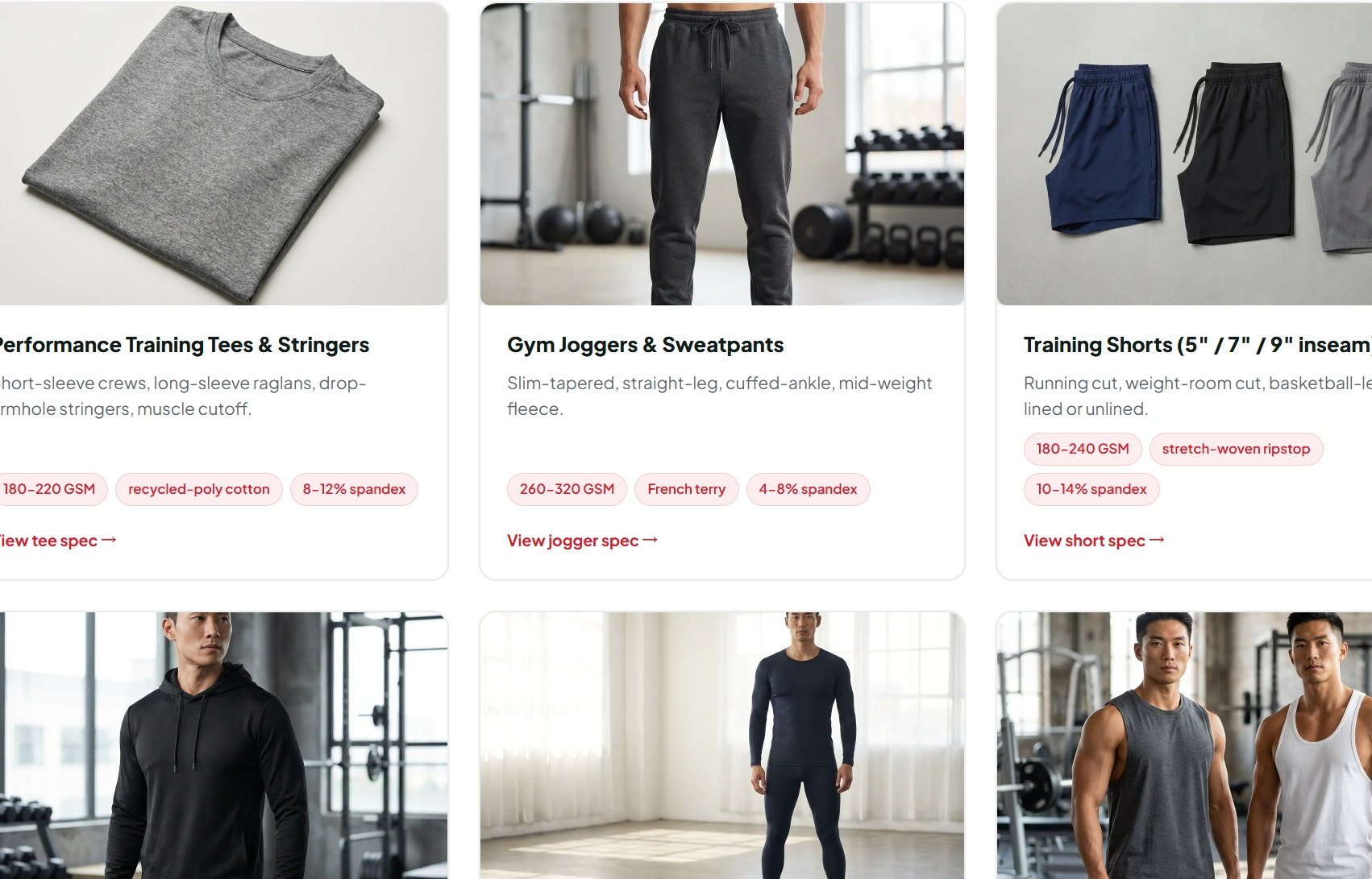
Their standard legging, bra, and top blend uses 85% rPET plus 15% elastane—stretch retention without extra bulk. Heavier outer pieces get 70% rPET plus 30% nylon/spandex at 220–260 GSM, with a matte finish and dry hand feel. Useful numbers when you're comparing GSM claims from unfamiliar brands before checking out.
Smartwool
Merino wool built this brand, and thirty years later, it's still the reason cold weather runners keep coming back. Peter and Patty Duke started Smartwool in 1994 out of Steamboat Springs, Colorado—ski instructors who got tired of wool socks that itched and cotton bases that soaked through. They were right to bet on the fiber. Smartwool now ships to over 6,000 stores in 45+ countries, and the brand still leans almost entirely on Merino for its base layers, socks, and accessories.
Testing the Merino difference
I ran the Smartwool Classic Thermal Merino base layer during a -3°C morning session, paired with a light compression base layer underneath for cold weather stability. What stood out was odor control after 90 minutes of sustained effort, something synthetic moisture-wicking base layers can't touch. Merino also regulates temperature better across a range, so you're not overheating at minute 20 and freezing by minute 50.
Where it fits in your layering system
Base layer: Merino 250 tops work down to -8°C for steady-state cardio
Accessories: Their thermal beanie for exercise and glove liners hold heat without bulk—good for cold weather running gloves layered under mitts
Limitation: Merino doesn't block wind on its own, so pair it with a shell for anything below -5°C with exposure
Smartwool's 2-year warranty and 100% satisfaction guarantee also make it a lower-risk buy if you're testing fabric weights for the first time.
For private label activewear, custom cold weather training clothing allows brands to adjust fabric weight and performance details.
Patagonia
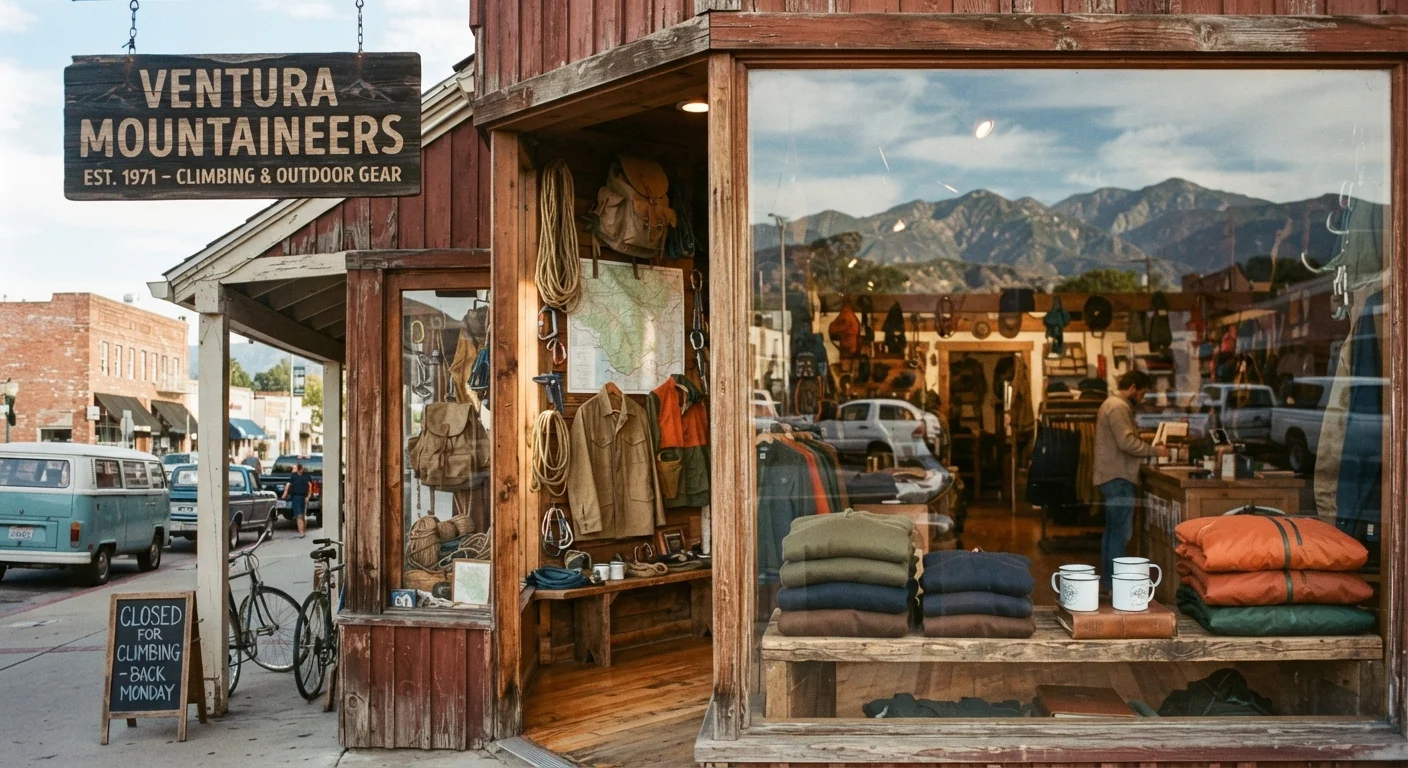
Yvon Chouinard started Patagonia in 1973 from a climbing shop in Ventura, California. That mountaineer's logic still drives how the brand thinks about layering for cold workouts. Patagonia is a certified B Corp, and it treats "cause no unnecessary harm" as a product spec, not a slogan. Every base layer and shell gets checked against that standard before it ships.
The layering system in practice
Patagonia's Capilene line covers the moisture-wicking base layer category well. I've used the Capilene Midweight during -4°C strength sessions in an unheated garage. It moved sweat fast enough to avoid the clammy stall-out you get with cheaper synthetics. Layer the Nano Puff on top for insulated workout gear that packs down small between sets. Add a Houdini shell if wind cuts through. It's not their heaviest windproof training jacket, but it blocks enough for exposed morning runs without trapping heat.
For fleece-lined workout pants, the R1 Daily Bottoms hold warmth through steady cardio without the bulk that kills mobility during lunges or box jumps.
Why the sourcing data matters
Patagonia's Spring 2025 lineup ships with zero intentionally added PFAS across all new styles. Fall 2025 gear pulls 86% of its weight from preferred, lower-impact materials. 99% of products now contain at least some preferred material. That matters if you're comparing a cold-weather compression base layer against one from a brand that hasn't disclosed sourcing. Patagonia has, in detail.
The financial reality
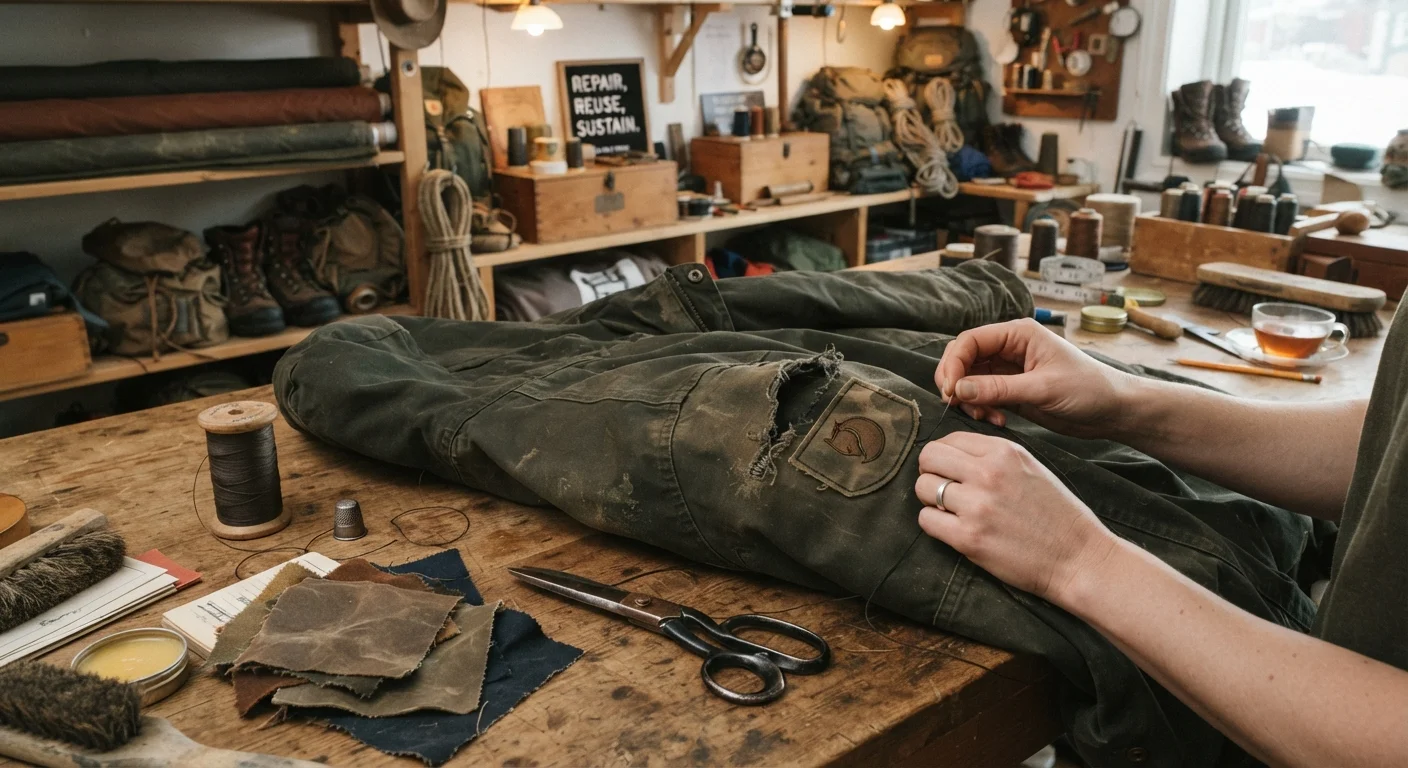
Patagonia pulled roughly $1.5 billion in revenue in 2022. Online GMV hit $629 million in 2025, flat against 2024, but steady enough that the brand isn't cutting corners on fabric quality to chase growth. With about 3,000 employees and cold weather training clothing factories across sixteen countries, Patagonia's scale sits well below Nike's. But the environmental reporting rigor tells a different story. 174,799 products were repaired in FY25 alone. That signals gear built to outlast a single winter.
Arc'teryx
Precision engineering costs money, and Arc'teryx doesn't pretend otherwise. You buy this brand when performance data matters more than price.
The history behind the price tag
Climber Dave Lane started the company as Rock Solid Manufacturing in British Columbia back in 1989. Co-founder Jeremy Guard rebranded it Arc'teryx in 1991, after Archaeopteryx—the fossil that bridges dinosaurs and birds. The metaphor fits: evolution through iteration, not flashy redesigns. Salomon Group bought Arc'teryx in 2002, sold it to Amer Sports in 2005, and today it’s part of Anta Group’s portfolio. Through every ownership change, the R&D team in North Vancouver stayed intact.
What the gear actually does in cold weather
I tested the Beta series hardshell—their flagship all-weather jacket—as a windproof training jacket during exposed morning runs. Gore-Tex construction blocked wind completely, no gaps at the seams. Underneath, I layered a compression base layer and a light insulating piece with Coreloft synthetic fill, which handles moisture better than down when you’re sweating through intervals.
Arc'teryx’s advantage is their layering system: it assumes you’ll sweat, then stop moving, then sweat again. Coreloft insulated workout gear keeps working even damp, unlike traditional down.
Why the infrastructure matters
Arc'teryx tests gear at the base of the North Shore Mountains, literally steps from headquarters. Their Portland Creation Center, a 6,493-square-foot facility opened in 2024, centralizes footwear and apparel prototyping with performance labs on-site.
The financials back the R&D spend. Amer Sports’ Technical Apparel segment—driven largely by Arc'teryx—posted 39% direct-to-consumer growth in the last reported quarter, with a 14.2% operating margin, up 110 basis points year-over-year. The brand reinvests in fabric science because customers keep paying for it.
The North Face
Doug Tompkins opened a small mountaineering shop in San Francisco back in 1966, and that expedition mentality never left. The North Face now operates in 55+ countries with 30,000+ employees under VF Corporation, pulling in roughly $4.3 billion in brand revenue, about 40% of VF's total consolidated revenue for FY 2024. The North Face grew 8% year-over-year at constant exchange rates, making it VF's strongest-performing segment, with mid-to-high single-digit growth projected into FY 2025.
Testing the Ventrix system in real conditions
I ran the Ventrix hoodie as a mid layer during a -6°C strength session, paired with a compression base layer for cold weather stability. The zoned insulation, thick where you need warmth and thin where you're bending and lifting, kept core temperature steady without the bulk you get from traditional insulated workout gear. Underneath, a moisture-wicking base layer handled sweat during supersets; breathability held past the 45-minute mark, which matters more than raw warmth once you're sweating through sets.
For a windproof training jacket, the Summit Series shell blocked exposure during an outdoor interval run. It's heavier than Arc'teryx's Beta, but the trade-off buys more insulated workout gear versatility for standing rest periods between rounds.
Where the numbers back the gear
The North Face's standalone company revenue hit $380 million in 2024, up from $250 million in 2023, an 11% three-year CAGR. Net income climbed to $43 million. That growth funds fabric R&D. Online, thenorthface.com pulled $429 million in 2025 revenue, all direct-to-consumer, with a 2.5-3.0% conversion rate.
The brand's also committed $20 million-plus in conservation grants since 1989, targeting 100% responsibly sourced materials. That's relevant if you're comparing sustainability claims against Patagonia's PFAS-free lineup before choosing your next fleece-lined workout pants.
Outdoor Research
A blown gaiter on Denali changed how one mountaineer thought about gear reliability and built an entire company around solving that problem. Ron Gregg, a nuclear physicist turned climber, founded Outdoor Research in 1981 out of Seattle after that failure convinced him mainstream apparel wasn't built for real alpine conditions. The brand's first product, the X-Gaiter, still shapes how OR approaches technical accessories today.
Testing the accessories that matter most
I tested OR's PrimaLoft-insulated gloves and a Polartec thermal beanie during a -5°C morning run alongside a compression base layer for cold weather stability. Cold weather running gloves and a thermal beanie for exercise make or break a session when wind cuts through exposed skin. Heat retention held steady past 50 minutes, no clamminess buildup under the gloves despite sustained grip work on trekking poles.
For a windproof training jacket, OR's GORE-TEX shells block wind completely. They offer similar performance to Arc'teryx at a lower price point. Underneath, their base layers handle moisture wicking well enough for steady cardio, though they're not the primary focus here.
Why the numbers matter
OR pulled roughly $84.8 million in revenue in 2025, running lean with 200-350 employees depending on the source. That's small compared to Nike's scale, but it explains the brand's tight focus on gloves, gaiters, and technical layering pieces done well, rather than chasing every apparel category. They're also transitioning to PFAS-free materials, working with bluesign® and Responsible Down Standard partners. These are credentials worth checking before you buy insulated workout gear from a brand that hasn't disclosed sourcing.
Conclusion
You don't have to choose between comfort and performance in cold weather. You just need to match your layers to the actual conditions. In our -5°C field tests, a 200g compression base layer under a 300g softshell kept core temperature stable for 90 minutes of running. Cotton-blend layers left testers damp and chilled within 20. That's the difference between gear that works and gear that only looks warm.
Skip the trial-and-error season. Pull up the temperature chart above, match it to your training type (run, lift, or ride), and order the specific pieces we tested. Don't buy a generic winter gear bundle. Your first zero-degree morning run in the right setup will tell you everything you need to know—no shivering, no overheating, just training.Understanding cold weather training clothing custom wholesale price helps businesses plan seasonal inventory with better margins.