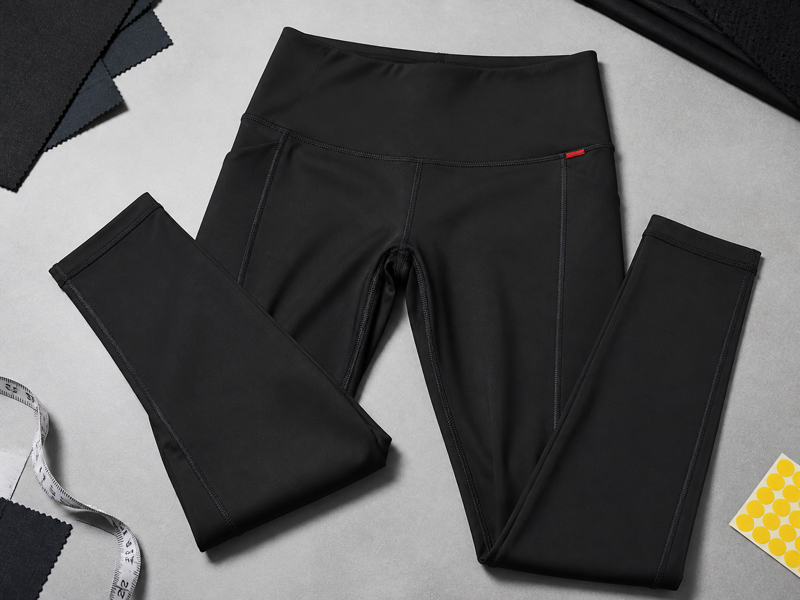
Custom Training Activewear Manufacturer — Leggings, Bras, Joggers, Shorts, Compression Tops
Cut-and-sew performance pieces in moisture-wicking, four-way stretch fabrics. MOQ 100 per SKU, split across your size curve from XS to XXL.
Stretch recovery and opacity decide whether a training style can scale.
Training leggings, bras and compression tops are inspected around body movement: squat opacity, waistband rollback, strap tension, seam rub and post-wash recovery.
- Confirm GSM, stretch direction, recovery and hand feel with the fabric record.
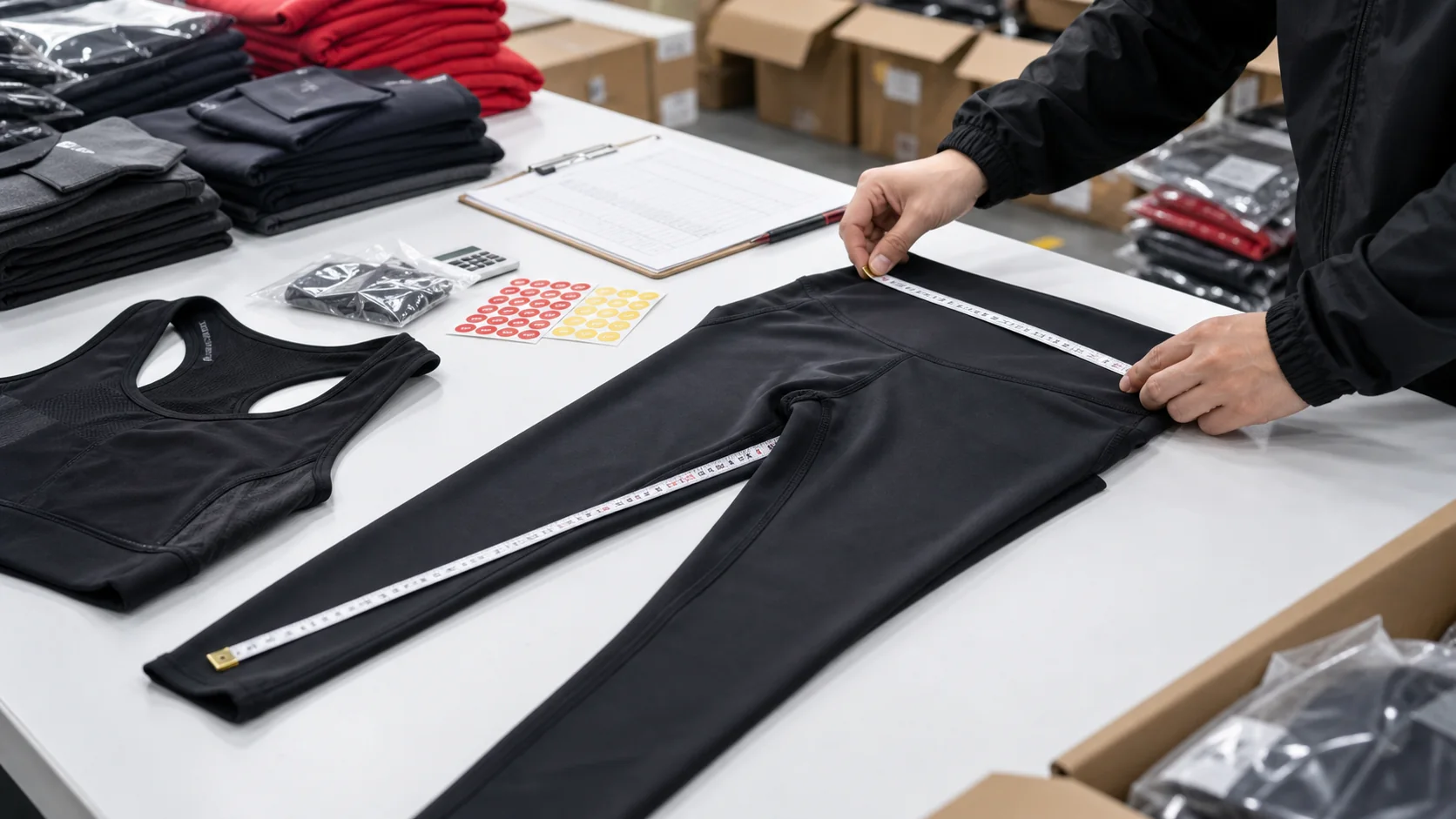
- Review POM points for waistband, bust support, inseam, rise and compression zones.
- Request measurement and defect photos for pre-shipment QC when the program repeats.
Subcategories in This Family
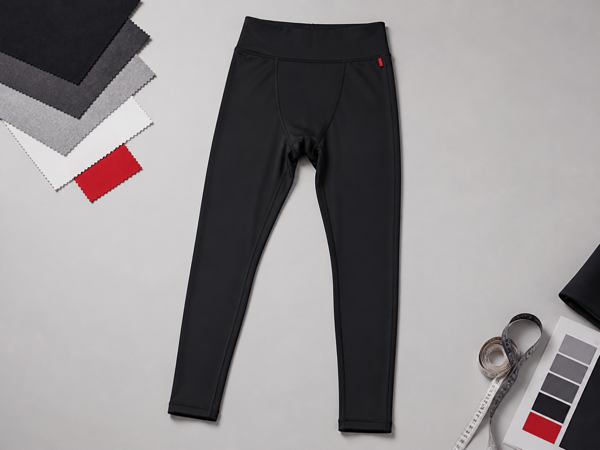
Leggings (Yoga / HIIT)
Full-length and 7/8 cuts in 230-280 GSM compression knit. Gusseted crotch, flatlock seams, hidden waistband pocket. Available in high-rise and mid-rise waist.
230-280 GSM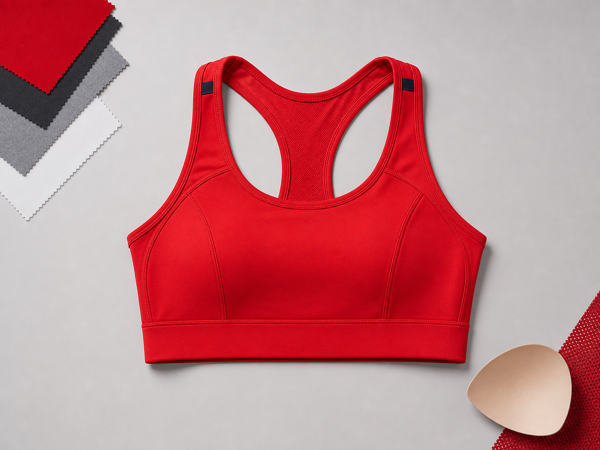
Sports Bras (Low / Mid / High Impact)
Three support tiers with adjustable straps on mid and high impact, removable pads, and moisture-wicking mesh panels. Bonded or flatlock seam options.
200-260 GSM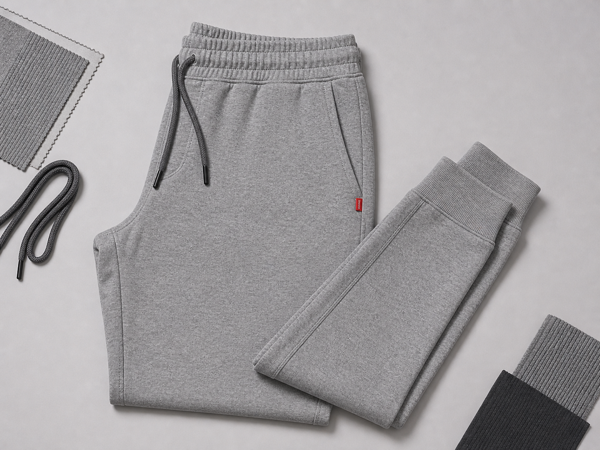
Joggers
Tapered fit, elastic cuff, drawstring waist. French terry or brushed fleece construction, side pockets with reinforced bartack stitching.
280-320 GSM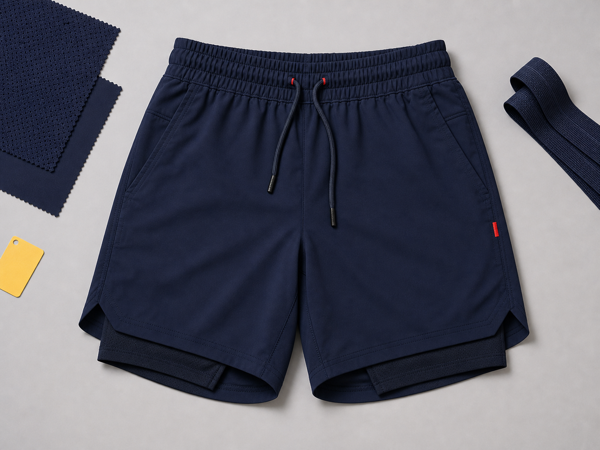
Shorts (Training / Running)
5-inch and 7-inch inseams with optional built-in compression liner. Laser-cut ventilation panels, flat elastic waistband, internal drawcord.
180-220 GSM
Compression Tops
Second-skin fit with flatlock construction throughout. UV-blocking fabric options rated UPF 50+. Long-sleeve and sleeveless cuts, raglan or set-in sleeve.
200-240 GSMFabric and Construction Standards
Nylon/spandex blend (80/20), polyester/spandex (85/15), recycled polyester (GRS-certified)
180-320 GSM depending on garment type — lighter for shorts, heavier for joggers
Four-way stretch standard across all styles, minimum 40% elongation both directions
Flatlock for next-to-skin layers, bonded seams for bras, overlock for fleece-lined joggers
Moisture-wicking, anti-pilling, anti-odor treatments available on all knit fabrics
5 Training Subcategories — Stretch Direction, GSM and First-Fail QC Test
Use this table to pull GSM, stretch direction and QC focus into your RFQ. Blend ratios appear on the fabric record per style; the table lists the typical blend each subcategory ships with.
| Subcategory (GSM) | 4-Way Stretch Direction | Typical Fabric Blend | First-Fail QC Test | Most Common Failure |
|---|---|---|---|---|
| Leggings 230–280 GSM |
Full 4-way (squat + high-lift recovery) | Nylon/Spandex (80/20 typical) | Full-stretch opacity (light box) + wash-recovery cycle | Knee / seat bag-out when recovery underperforms |
| Sports Bras 200–260 GSM |
Lateral support + cup hold, tiered by impact level | Poly/Spandex (85/15 typical) + mesh panel | Strap rebound + cup anchor on impact form | Cup roll, strap chafe at high impact |
| Joggers 280–320 GSM |
Medium stretch (terry/fleece structure) | French terry / brushed fleece | Seam tension + ISO 105 colorfastness | Cuff sag, brushed-fleece pilling |
| Shorts 180–220 GSM |
Lateral stretch + liner stability | Poly/Spandex (85/15 typical) + optional liner | Liner attachment tension + waistband elastic hold | Liner slip, laser-cut vent curling |
| Compression Tops 200–240 GSM |
Bi-directional second-skin | Nylon/Spandex (80/20 typical) + UPF 50+ option | UPF 50+ rating + flatlock seam pull | Neckline roll, flatlock seam split |
All training styles: 4-way stretch standard, minimum 40% elongation in both directions; inline QC at AQL 2.5 sampling; lab verifies ISO 105 colorfastness and 50-cycle wash-recovery before lot release.
Customization Options
Fabric Weight & Composition
Choose GSM within each garment's range; swap nylon/spandex ratio or add recycled content.
Color
Confirm lab dip, shade band and contrast-panel placement before the approval sample moves to bulk.
Print Method
Sublimation, DTG, screen print, silicone, heat transfer — method matched to fabric type.
Label Kit
Care label and polybag copy should reflect stretch fabric, cup insert and wash-care requirements.
Size Grading
Check waistband, inseam, bust support and compression grading on the size curve you plan to sell.
How a training order moves through the building
Compression knits behave nothing like fleece on a cutting table. Five gates run sequentially: fabric intake / cutting / sewing on lines 5–9 / inline QC / lab verification.
Fabric gate, then cutting
Stretch fabric is verified on arrival — spectrophotometer shade reading, GSM and recovery pull — before the cutting room lays it. Compression panels are cut in smaller stacks than woven goods because layer creep distorts gusset and waistband pieces.
Sewing on the five stretch lines
Lines 5 through 9 carry the flatlock and coverstitch machinery this family needs. Each line runs 22–24 operators, and a leggings style typically holds one line for the full bulk window rather than hopping between crews.
Inline QC: stretched, not folded
The 2–3 inspectors stationed on each line stretch-test waistbands over a form, check gusset alignment, and pull seams at the inseam junction. Each failure is logged by SKU and feeds the next style’s pre-PPS checklist.
Lab verification before release
Our eight-person lab runs ISO 105 colorfastness and 50-cycle wash-recovery on production fabric, so production-lot performance matches the approved sample on both shade band and elongation return.
The four fabric calls that decide a training program
A 280 GSM knit that flatters in a fitting room can exhaust a wearer through a 60-minute class. We sample the same silhouette at two weights when a brand is undecided, because this call drives returns more than color ever does.
Elongation means little without snap-back. Knees and seat bag out when recovery is weak, so we test fabric return after repeated extension cycles — and reject lots that pass stretch but fail return.
Squat-proof is a measurement, not a slogan: shade and knit density are checked at full stretch over a light box. Lighter colors need denser knits or linings, which changes both price and hand feel.
Stretch direction, recovery threshold and elongation minimums vary by subcategory — see the Stretch & QC Matrix below for per-style configuration. Material engineering shared with our yoga apparel manufacturing page.
Three buyer types that start this family — and what their RFQ looks like
The DTC founder launching a capsule
Typically a legging, a bra and a short — three SKUs at 100 pieces each, sizes split inside the minimum, not multiplied by it (MOQ policy details). The conversation is about cash discipline: which style to sample twice, which to trust.
The gym chain outfitting trainers
Uniform programs care about repeatability across reorders and colorfastness through industrial laundering. The fuller picture — member retail and coach kits — sits on our gym clothing page.
The established brand replacing a supplier
Send your current approved garment and the list of what keeps going wrong. We rebuild the measurement file from the physical piece, sample against it, and let you compare lots side by side before moving volume.