Accessories
Custom Activewear Accessories Manufacturer — Headbands, Arm Sleeves, Socks & Caps
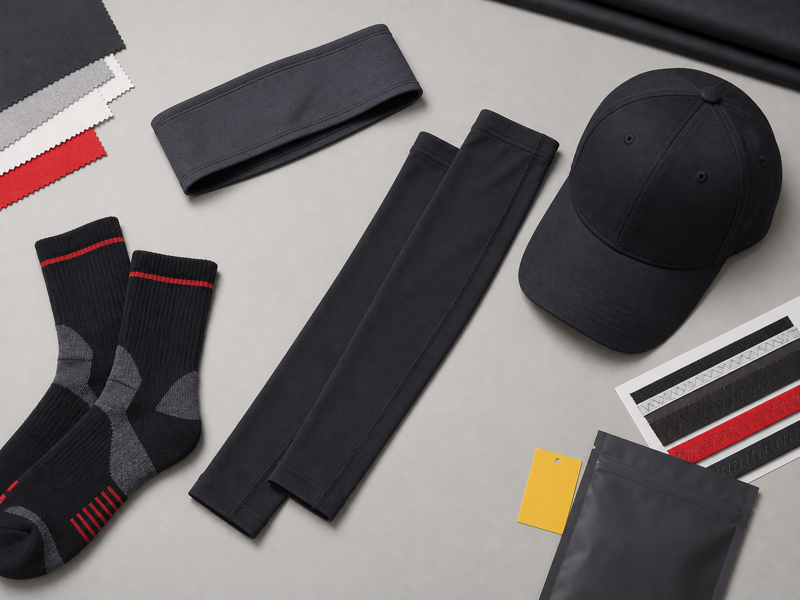
Cut-and-sew accessories matched to your main collection's fabric and dye lot. MOQ 100 per SKU, produced on the same floor as your apparel order.
Accessories should match the main collection in color, material and packing logic.
Headbands, sleeves, socks and caps look simple, but they create SKU control issues when dye lots, trims, label placement and packing units are not tied to the apparel program.
- Match fabric, elastic, thread and logo color against the main garment sample.
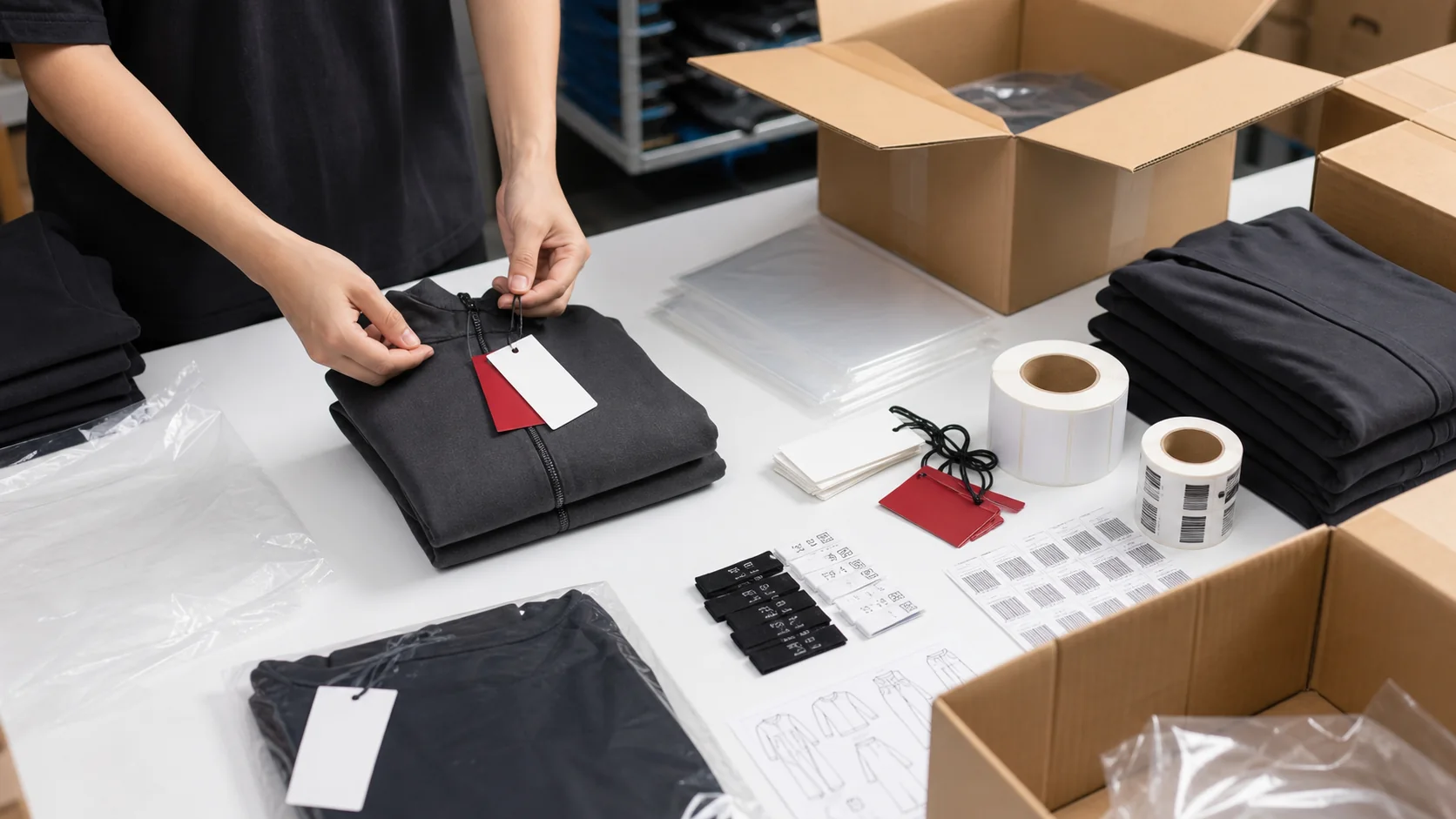
- Confirm size labels and barcode rules for small items before carton packing.
- Bundle rules can be prepared for set sales, event kits or retail display packs.
Subcategories in This Family
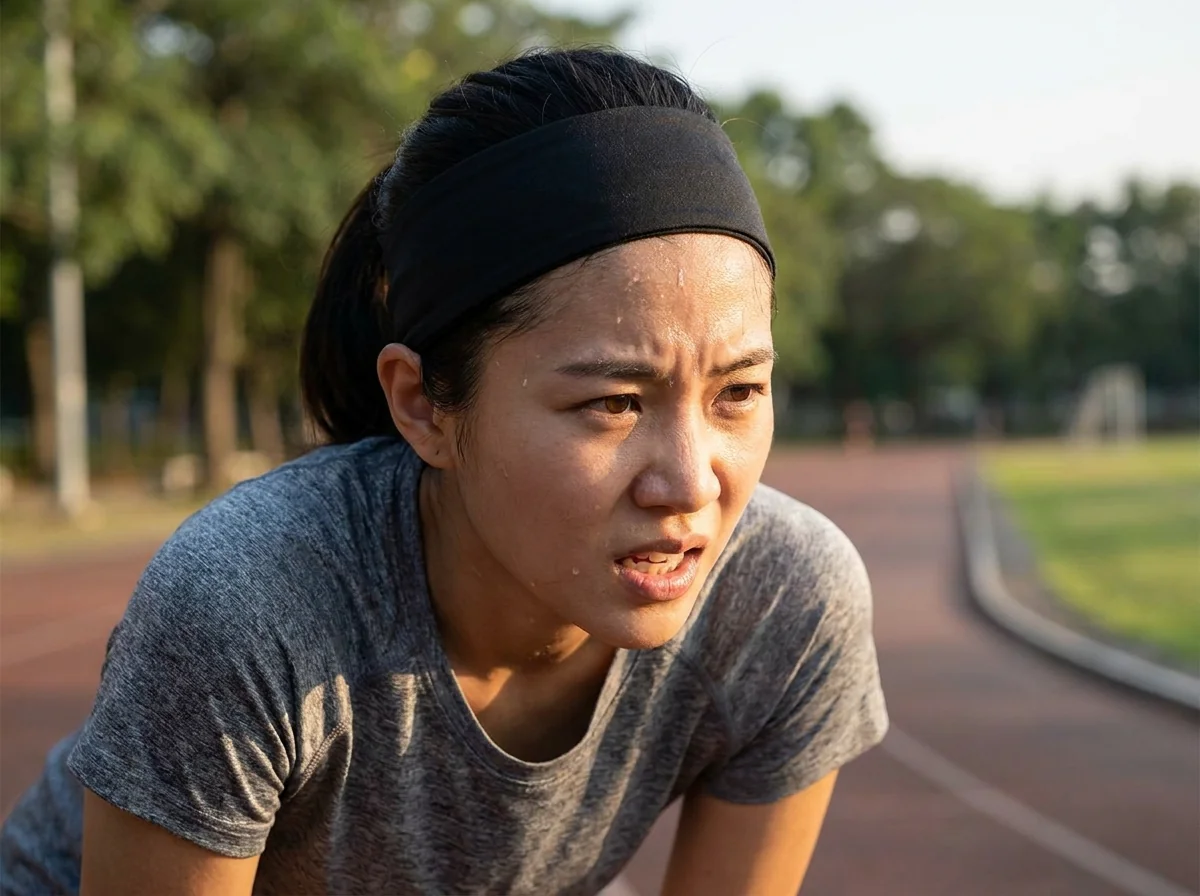
Headbands
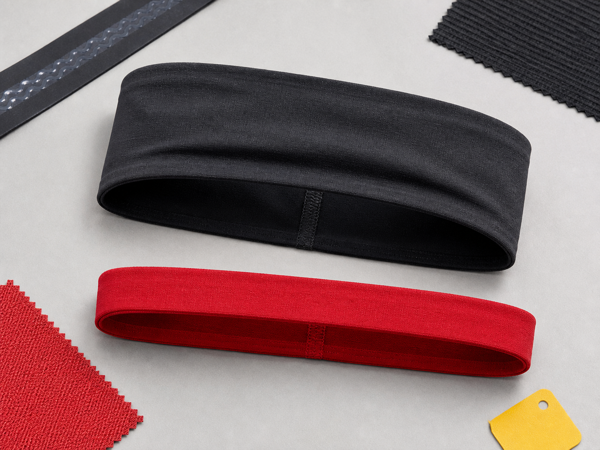
Wide and slim profiles in 180-220 GSM moisture-wicking knit. Silicone grip strip optional. Sublimation or solid dye.
180-220 GSM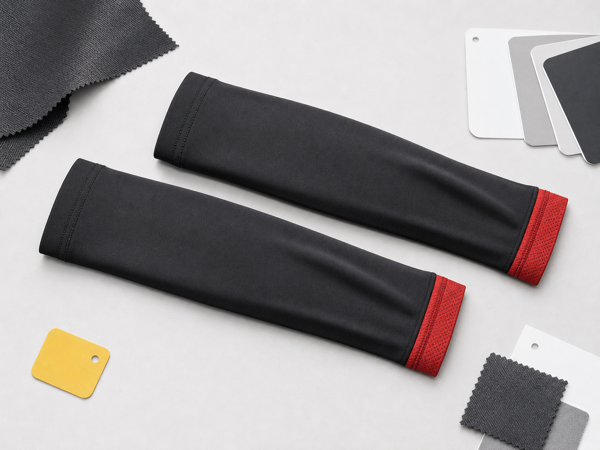
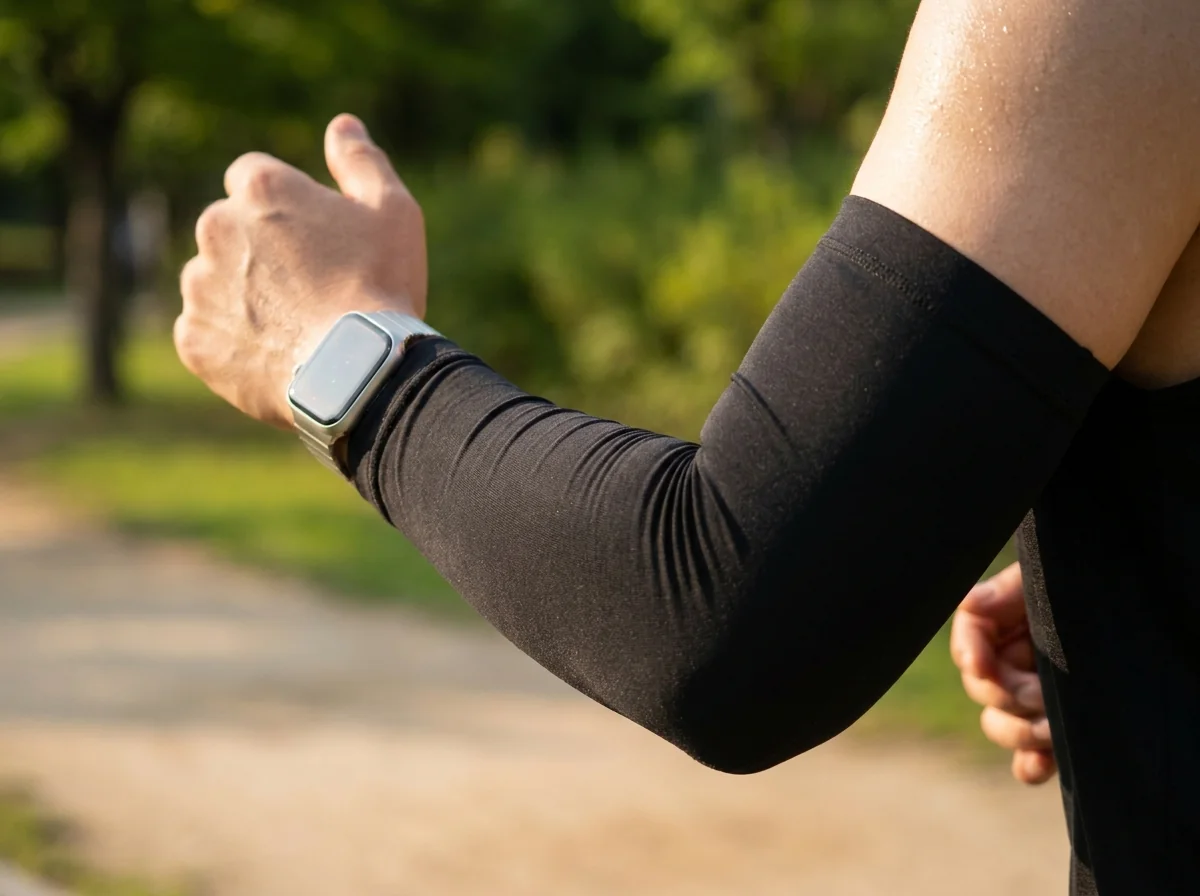
Arm Sleeves
Compression-grade 200-240 GSM nylon/spandex. UPF 50+ option. Sold in pairs, size-graded S-XL.
200-240 GSM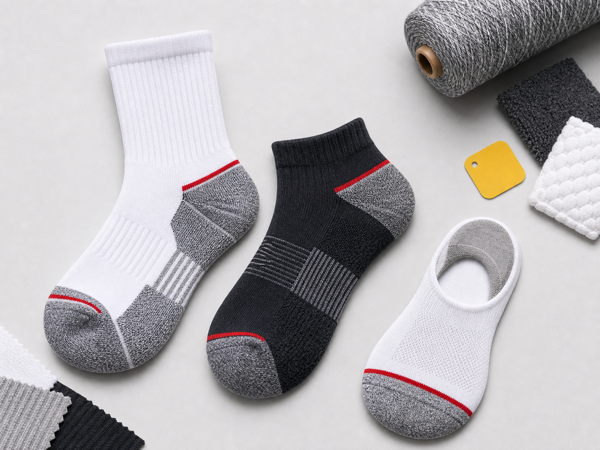
Socks
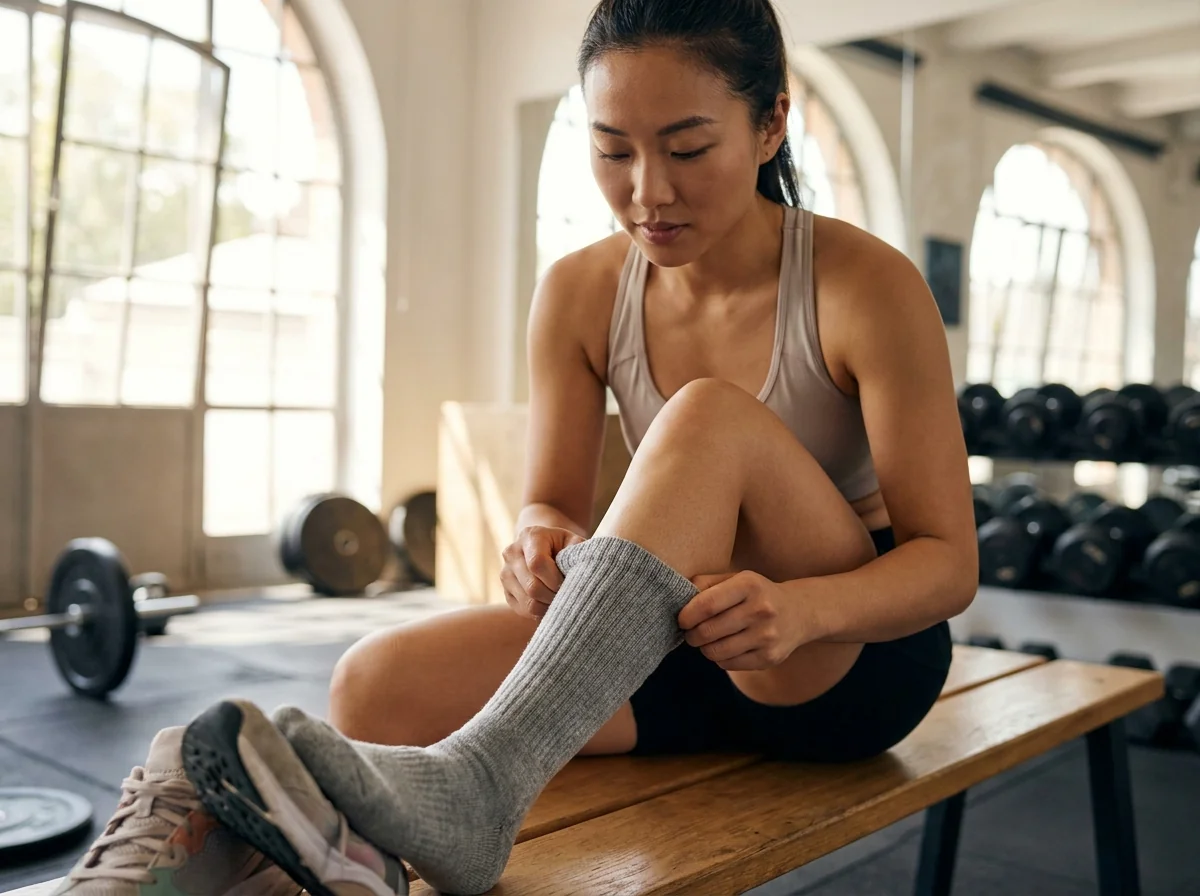
Crew, ankle, and no-show in cushioned knit. Arch support band, reinforced heel and toe. Custom colorway and jacquard logo.
Cushioned Knit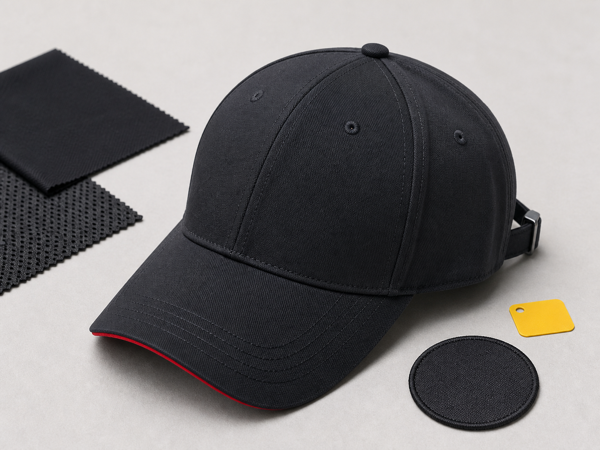
Caps
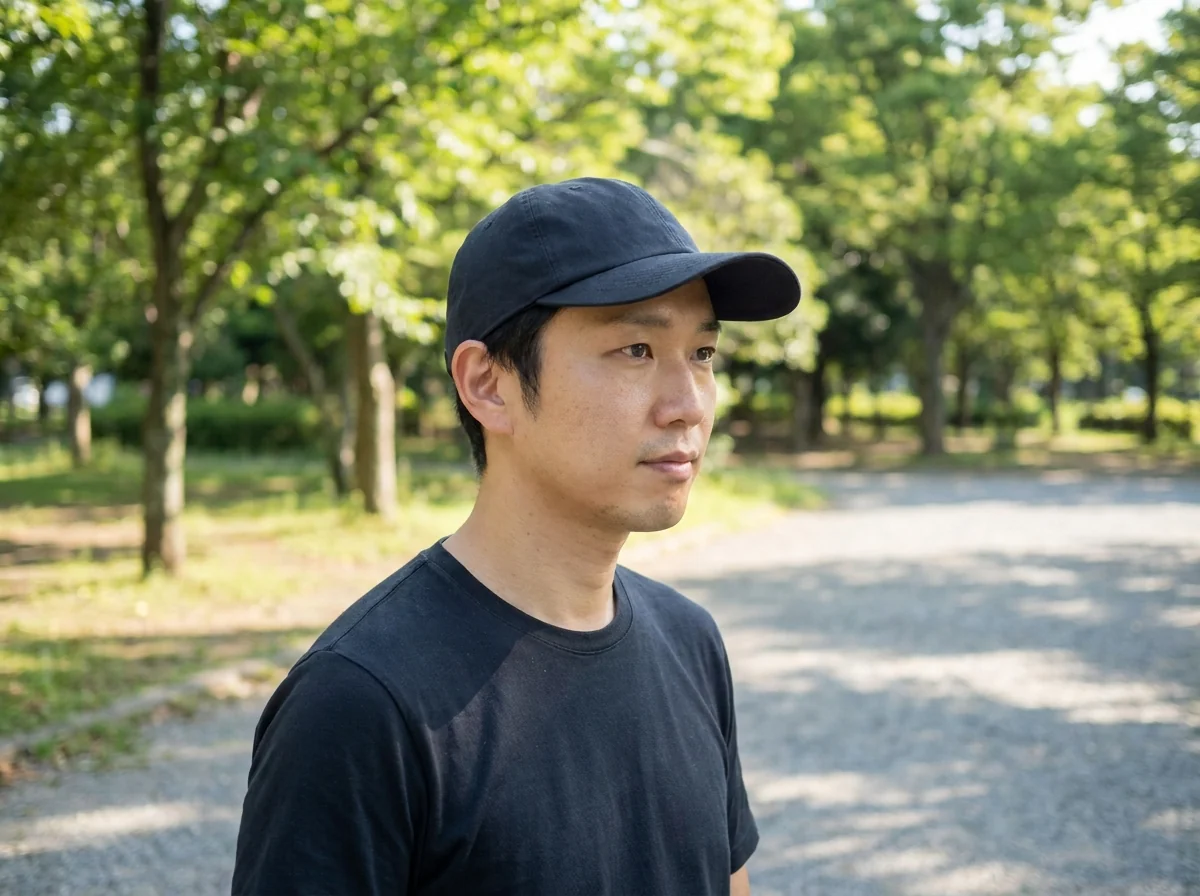
5-panel and 6-panel structured caps. Cotton twill, performance mesh, or full-sublimation polyester. Embroidered or printed logo.
Varies by ConstructionActivewear Accessories — Headbands, Arm Sleeves, Socks & Caps
Fabric and Construction Standards
Fabric Types
Moisture-wicking knit, compression nylon/spandex, cotton twill, performance mesh
Weight Range
180-240 GSM for knit accessories; caps vary by shell material
Construction
Cut-and-sew, circular knit (socks), sublimation printing, jacquard knit
Finishing
UPF treatment, silicone grip application, reinforced heel/toe, embroidery
Trim & Hardware
Woven, braided and knitted elastic options for headband and sleeve bands; silicone grip strips logged by supplier, width and stretch value per SKU; embroidered eyelets or metal grommets on caps; cap closures available as snapback, strapback or fitted (sized).
Color Matching Standard
Four color paths: solid piece dye, pigment dye, yarn dye (knit accessories like socks), and full-bleed sublimation. The path that matches your main apparel order is the path the accessory takes — both are read against the same master shade band before any production lot ships.
Matched to Your Main Collection
Same Dye Lot
Your headbands and sleeves pull from the same dye lot as your leggings or hoodies -- no color drift between items.
One Purchase Order
Add accessories to your existing apparel PO; no separate sourcing, no second factory.
Simultaneous Production
Accessories run on the same floor alongside your main garments, shipped together in one consolidated carton.
When Each Accessory Rides Your Apparel PO — and When Standalone Makes Sense
Cut-and-sew accessories like headbands and sleeves nest into the same fabric markers and dye lots as your garment order, so the cheapest path is to attach them to the apparel PO. Knit-construction items like socks and shaped items like caps run on a separate process from the cut-and-sew marker, so a standalone run is equally workable. Use this table to pick the path before sampling.
| Subcategory | On the main apparel PO | Standalone run | Decoration techniques (page-attested) | Shared resources with main order | When standalone sampling is required |
|---|---|---|---|---|---|
| Headbands 180–220 GSM |
Recommended Panels nest into the cut-and-sew marker as fabric remnant utilization. |
Quoted at RFQ Lower marker utilization; minimum lot economics revisited. |
Sublimation print · solid dye · silicone grip strip | Same dye lot · same fabric marker · sublimation press queue | New silicone grip pattern · new sublimation artwork at production scale |
| Arm Sleeves 200–240 GSM |
Recommended Same compression nylon/spandex batch as performance apparel. |
Quoted at RFQ Compression fabric sourced as standalone roll. |
Sublimation print · UPF 50+ treatment · embroidery | Same dye lot · UPF chemistry batch · fabric marker | New UPF coverage zone · new compression grade |
| Socks Cushioned knit |
Co-ordinated Knit construction runs on a separate process from the cut-and-sew marker; color path coordinated via yarn dye. |
Equally workable Independent of the apparel cut-and-sew lay. |
Jacquard logo · embroidered logo · reverse-knit logo | Custom yarn dye colorway against apparel shade band | New yarn weight · new arch support band · new cushioning zone |
| Caps Varies by shell |
Co-ordinated 5/6-panel assembly is a shaped-construction process distinct from the apparel marker. |
Equally workable Standalone runs share only the printing or embroidery resources. |
3D embroidery · flat embroidery · heat transfer · full-sublimation polyester · printed twill | Sublimation press queue (sublimated caps only) · embroidery ICC profile | New shell construction · new hardware (snapback / strapback / fitted) · new sweatband material |
Recommended paths use the fabric, dye lot and decoration resources your apparel order has already booked, which is what makes per-piece accessory economics work. Standalone runs are quoted on request and follow the same MOQ 100 per SKU policy. Re-sampling is only required when introducing a new decoration technique, hardware type, UPF zone, or yarn / construction change.
How accessory orders run inside an apparel factory
Accessories run inside an apparel factory because they share the cutting room, the dye batch and the print press your garment order already uses — that shared infrastructure is what makes per-piece economics work for small goods.
Cut from the Same Lay
Headband and sleeve panels nest into the spare areas of your garment marker, which is why dye-lot identity is automatic — the pieces literally come off the same roll, often the same spread.
Printed on the Sublimation Lines
Full-print headbands, sleeves and cap panels share press time with jersey work, so accessory graphics are sublimated from the same ICC profile in the same press queue as your apparel order.
Elastic Is the Hidden Spec
Grip strips, sleeve tops and sock welts succeed or fail on elastic tension. We log the supplier, width and stretch value per SKU so reorders grip the way the first batch did.
What inspection means for items this small
Pair Integrity
Arm sleeves and socks ship as pairs, so QC verifies length, shade and tension within each pair — a tolerance question single garments never face.
Shade Against the Garment Record
Spectrophotometer readings on accessory panels are compared against the apparel order’s master shade band, not against an isolated swatch — the same color standard the dye-lot match depends on.
Grip & Adhesion
Silicone grip strips are rub-tested for adhesion and skin feel at sample stage; failed strips are reset before any production lot leaves the floor.
Reinforcement Points
Sock heels and toes, cap eyelets and sweatband-to-crown seam joins are stress-checked at the specific points small goods actually fail in field use.
Four reasons buyers add this family to a PO
Basket Builders
A matched headband or sock raises average order value at low risk — small cash outlay, same minimum logic, and it merchandises naturally beside the legging it matches.
Event & Team Kits
Tournaments and clubs round out uniforms with sleeves, socks and caps in squad colors. These usually attach to a Team & Club order and inherit its artwork approvals.
Front-Desk Retail
Gyms and studios stock branded caps and socks as impulse buys. Low per-unit cost makes them the cheapest way to test whether members will wear the logo at all — context on the gym clothing page.
Launch & Influencer Kits
Press boxes and seeding packages lean on accessories because a cap photographs as well as a hoodie at a fraction of the spend. Bundle rules — which items pack together, in what bag — are set during the order, not improvised at the warehouse.