Athleisure / Lifestyle Fit
Custom Athleisure Manufacturer — Tees, Hoodies, Jackets, Pullovers & Sweatpants
Heavier-weight knits and looser fits for off-gym wear and lounge collections. MOQ 100 per SKU, French terry and fleece builds.
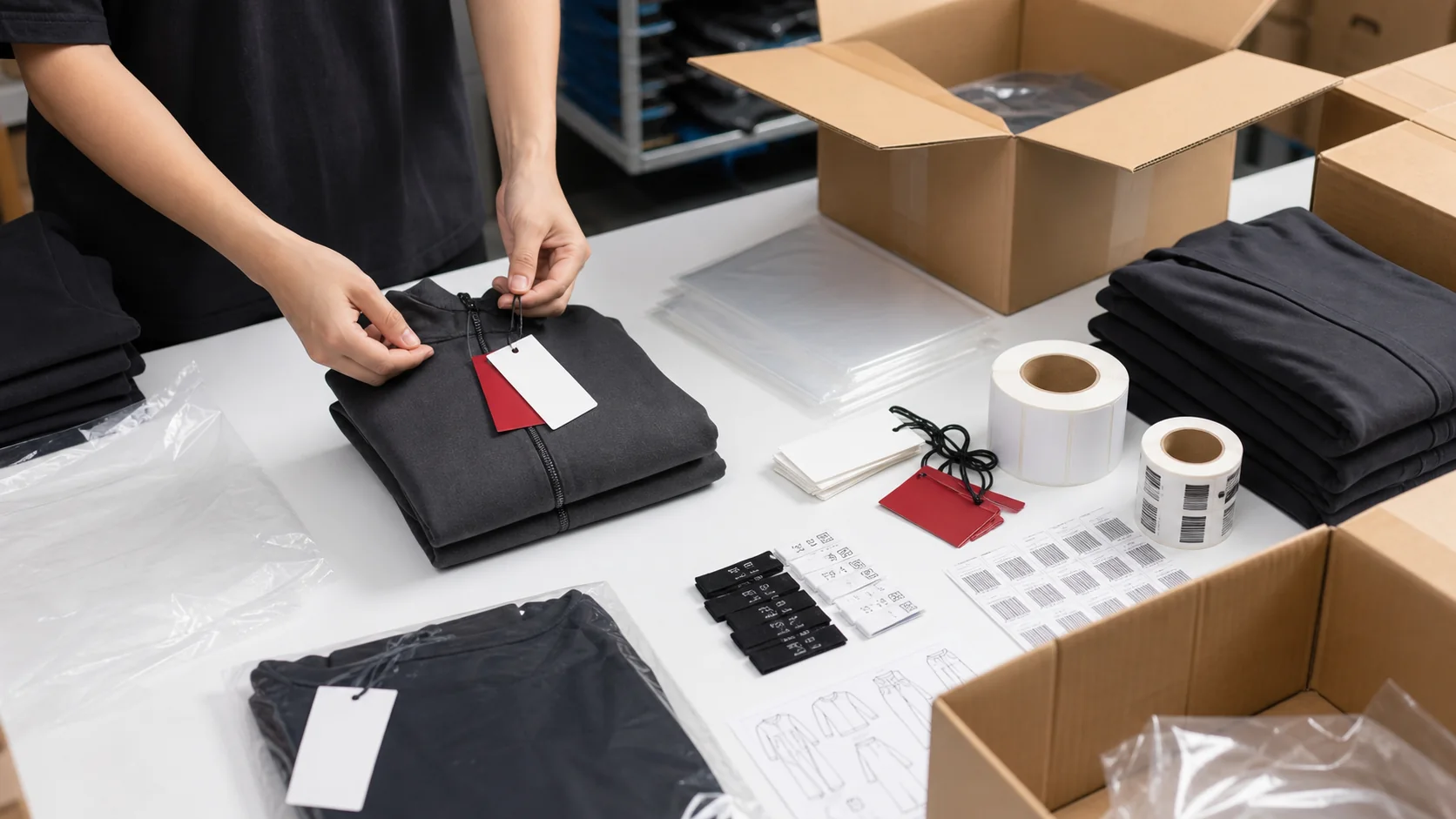
The buyer needs to approve drape, shrinkage and trim behavior before bulk.
Hoodies, tees, sweatpants and pullovers are judged by fabric hand feel, rib recovery, garment wash and color shade across panels. These decisions should be visible in the sample file, not left to bulk production.
- Review GSM, brush level, rib trim and drawcord/zipper choices together.
- Check body length, sleeve drop, cuff tension and relaxed fit after sample wash.
- Confirm folding, polybag size and carton quantity before packing starts.
Subcategories in This Family
Tees
Crew, V-neck, and oversized cuts in 160-220 GSM cotton-poly or tri-blend. Pre-shrunk, enzyme-washed options. Drop-shoulder and boxy silhouettes available.
160-220 GSM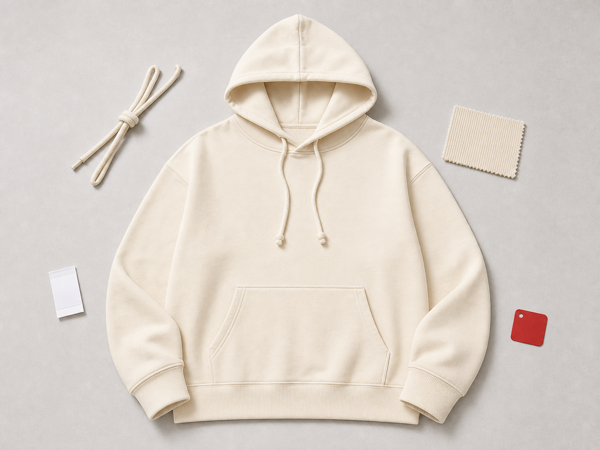
Hoodies
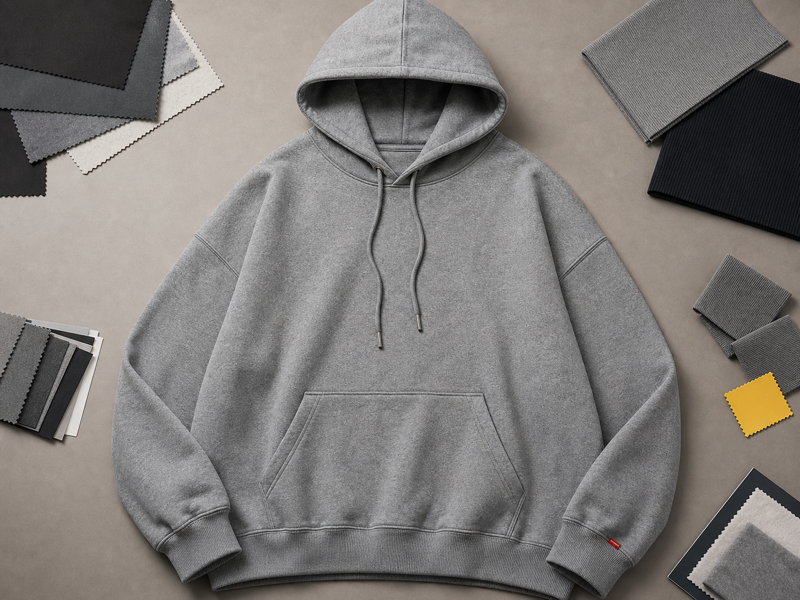
Pullover and zip-through in 280-360 GSM French terry or brushed fleece. Kangaroo pocket, drawstring hood, ribbed cuffs. Garment-dye and pigment-dye finishes available.
280-360 GSM Custom hoodie manufacturing spec →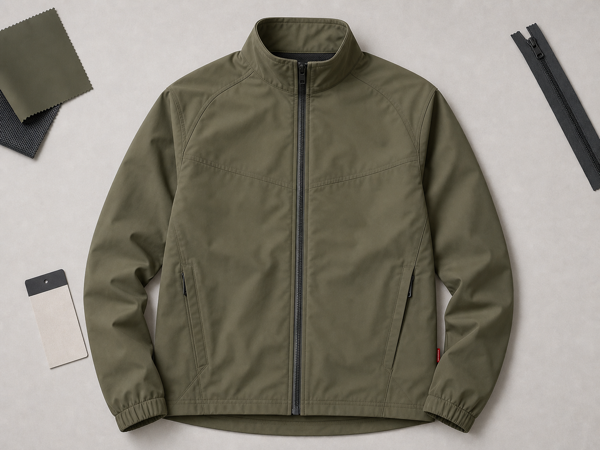
Jackets
Lightweight zip-up, bomber, and windbreaker silhouettes. Woven shell with knit lining option. YKK zippers, elastic-bound cuffs, internal stash pocket.
160-240 GSM
Pullovers
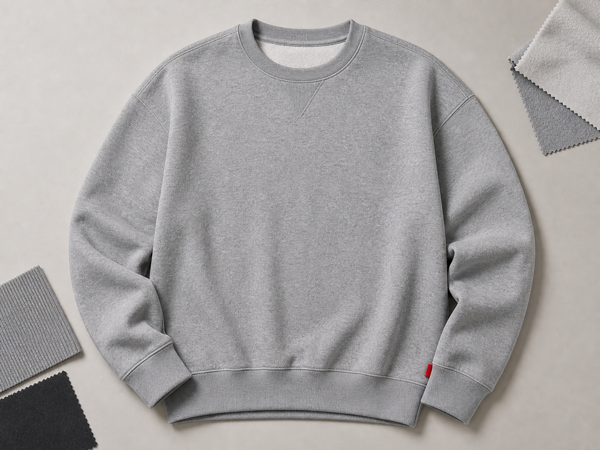
Quarter-zip and mock-neck in 260-300 GSM brushed knit. Raglan or set-in sleeve construction. Rib-knit collar, hem, and cuffs.
260-300 GSM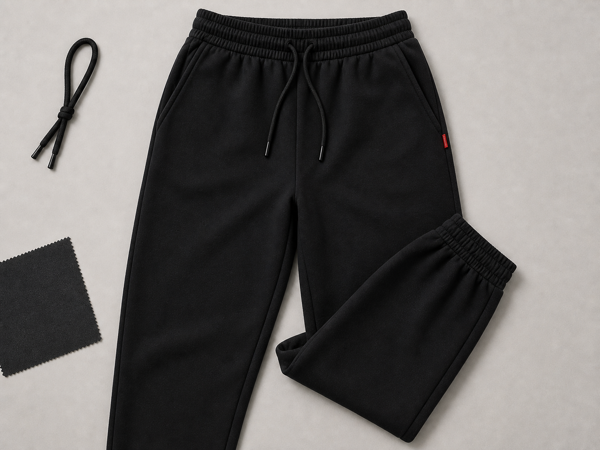
Sweatpants
Tapered and straight leg in 280-320 GSM French terry. Elastic waist with drawstring, side pockets, ribbed ankle cuff. Enzyme-washed and garment-dyed options.
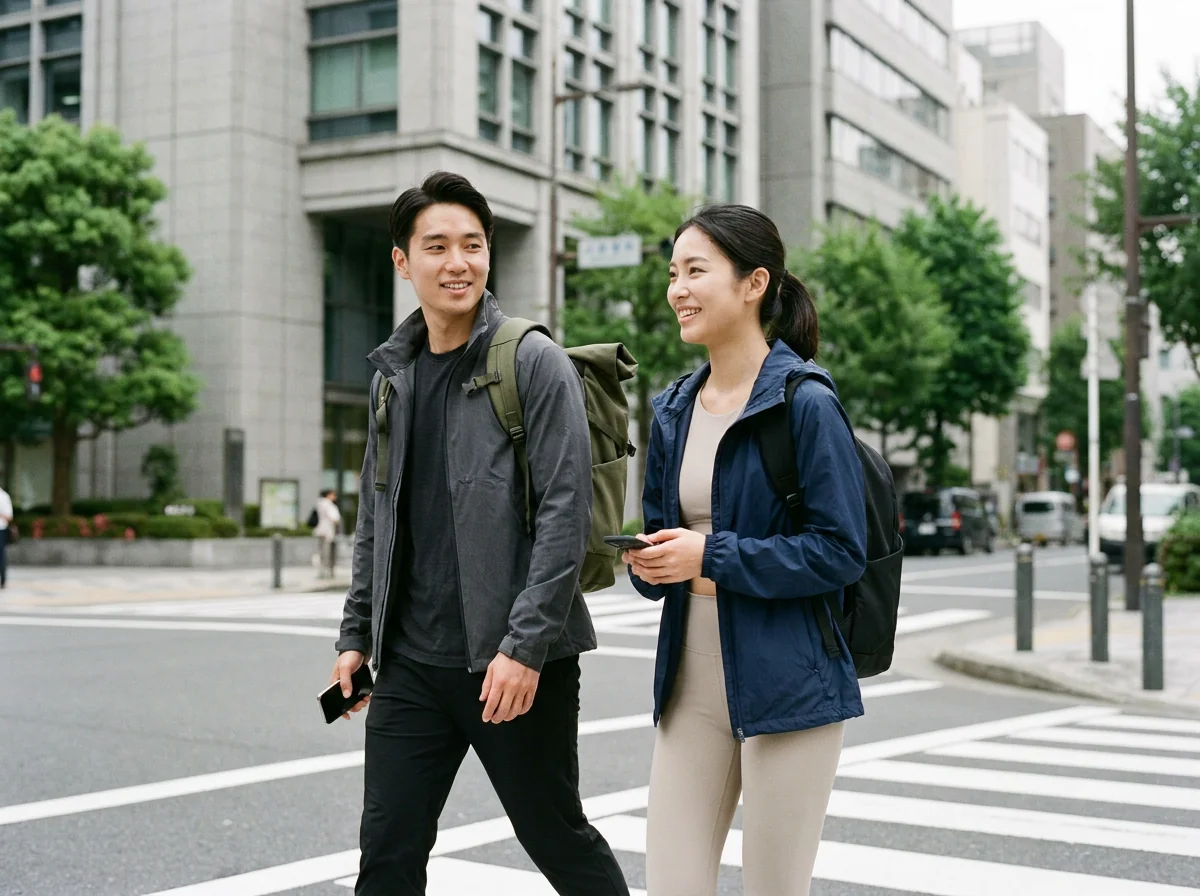
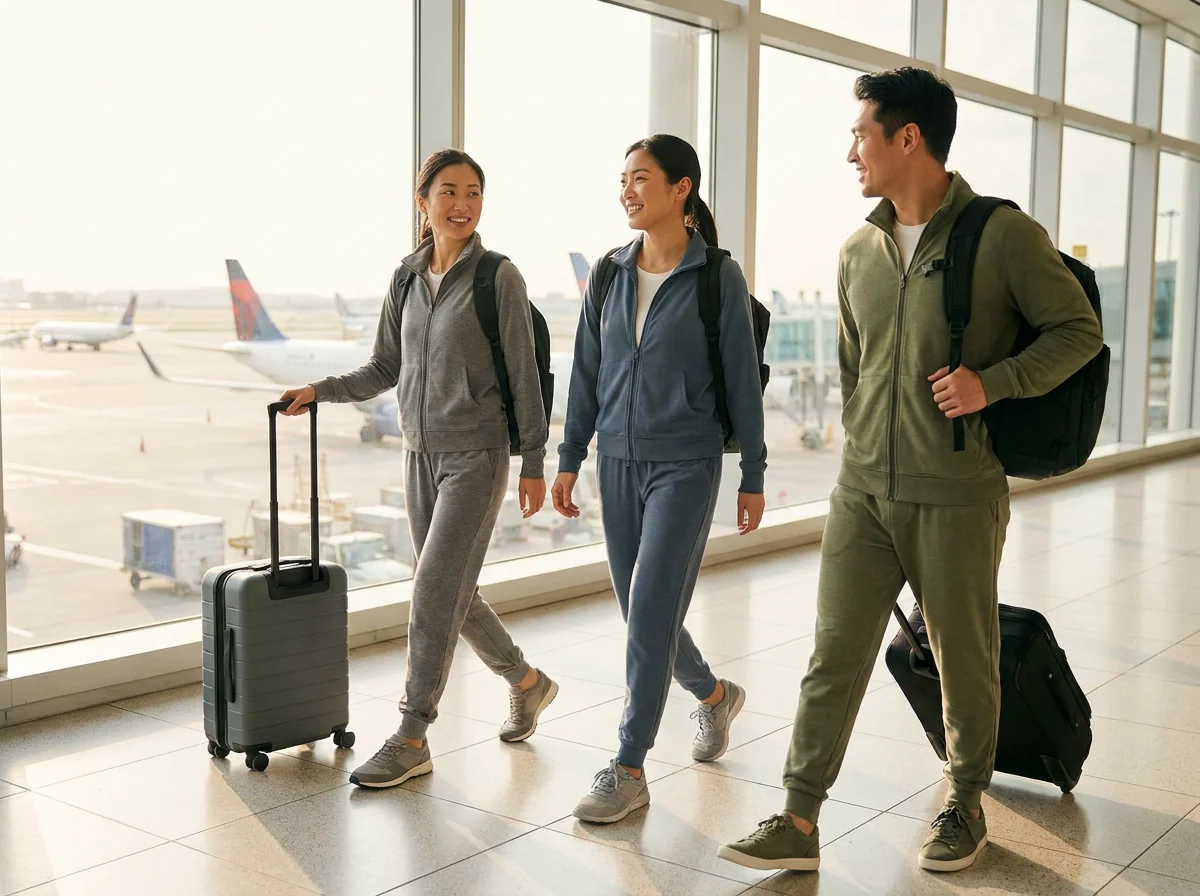
280-320 GSMAthleisure for Tees, Hoodies, Jackets, Pullovers & Sweatpants — in Real Use




Fabric and Construction Standards
Fabric Types
100% cotton, cotton/polyester blends, tri-blend (cotton/poly/rayon), French terry, brushed fleece
Weight Range
160-360 GSM -- lighter for tees, heavier for hoodies and sweatpants
Finishing
Enzyme wash, garment dye, pigment dye, anti-pilling treatment available on all knit fabrics
Seaming
Flatlock for lightweight tees, overlock for fleece layers, cover-stitch hems on all garments
Hardware
YKK zippers, metal eyelets, waxed drawcords, branded aglets available
5 Athleisure Fabric Families — Hand-Feel, Wash Behavior and Decoration Fit
Use this table to pick a fabric family before fixing GSM. Blend ratio is confirmed on the fabric record per style; the table lists the typical family each subcategory ships with.
| Fabric Family | Typical Subcategory (GSM) | Hand-Feel | Wash Behavior & Shrinkage Control | Decoration Fit |
|---|---|---|---|---|
| 100% Cotton | Tees 160–220 GSM |
Soft natural, breathable | Pre-shrink finishing gates shrinkage; 50-cycle wash-recovery in lab | DTG · screen print · embroidery |
| Cotton/Poly Blend | Tees 160–220 GSM |
Balanced softness with poly stability | Reduced shrinkage vs 100% cotton; lower pilling than tri-blend | Screen print · DTG · heat transfer |
| Tri-blend (cotton/poly/rayon) |
Tees 160–220 GSM |
Drape-heavy, very soft | Rayon raises pilling risk → abrasion-tested in lab | DTG · screen print (rayon takes softer inks) |
| French Terry | Hoodies · Pullovers · Sweatpants 260–360 GSM |
Looped inner face, moisture-managing | Heavier knits gate on 50-cycle wash-recovery + rib memory | Embroidery · screen print · heat transfer |
| Brushed Fleece | Hoodies · Sweatpants 280–360 GSM |
Brushed inner face, warm soft | Highest pilling risk → higher abrasion threshold in lab pass | Embroidery · heat transfer (brushed faces complicate flat print) |
All families verified at intake on shade band, GSM and hand-feel; production lots pass through 50-cycle wash-recovery, ISO 105 colorfastness and lab abrasion before release. Jackets use a woven shell with optional knit lining (160-240 GSM) and sit outside this knit-family matrix — see the subcategory grid above.
Customization Options
Fabric Weight & Composition
Choose GSM within each garment's range; swap cotton/poly ratio or add recycled content.
Color
Confirm dye lot, garment-wash behavior and rib trim shade before the production sample is approved.
Print Method
Screen print, DTG, embroidery, heat transfer, silicone print -- method matched to fabric weight.
Label Kit
Neck label, hem label, hangtag and bag copy are checked against the heavier knit care instructions.
Size Grading
Oversized fit, sleeve drop, body length and cuff tension need a separate grading review.
Fleece changes the schedule, not just the fabric
A 340 GSM hoodie consumes cutting capacity, dye time and carton space differently from anything else we make. Here is what that means for your order.
Shade-Blanket Cutting
Brushed fleece shows shading between roll positions, so panels for one garment are cut from one blanket region. The slower cut prevents two-tone shading between hood, body and sleeve panels — the most-photographed athleisure defect on returns.
Garment-Dye Buffer
Garment-dyed and pigment-dyed finishes add a wet-processing stage after sewing. The buffer is quoted as part of the 35-42 day stock-fabric lead, not added after sampling.
Carton Math
Heavy knits roughly halve the units per carton versus tees. Fold style, polybag size and carton count are confirmed at sample stage so the FOB quote matches the actual ship volume.
Line Allocation
Relaxed-fit construction runs on our cut-and-sew lines alongside performance styles, but with overlock-heavy machine layouts and different operator sequencing — one reason mixed POs are planned line by line.
Four pre-shipment checks on every athleisure lot
Post-Wash Shrinkage
Cotton-rich knits are measured before and after a controlled wash; body length, sleeve length and rib hem must land inside tolerance after the 50-cycle wash-recovery test.
Rib Memory
Cuffs, hems and collars are stretch-cycled to confirm they recover. A hoodie with a wavy hem after one wear is a rib-sourcing failure, and it is screened at fabric approval, not discovered in reviews.
Pilling on Brushed Faces
Brushed fleece and tri-blends are abrasion-tested in the lab; styles that will live under backpack straps and across office chairs get a higher pass requirement.
Panel Shade Agreement
Hood, body and sleeves are compared on every inspected piece under the same standard light source used at fabric intake.
Where athleisure programs usually come from
Lounge-First DTC Brands
Built around a hero hoodie and matching sweatpant. The deep construction spec for that hero piece — fleece weights, pocket builds, dye finishes — lives on our hoodie manufacturing page.
Gym Retail Corners
Studios and chains sell logo tees and crews at the front desk. Margins live and die on decoration choice, so we quote print methods together with the blank, never separately. See gym clothing manufacturing.
Streetwear Crossovers
Drop-model labels borrowing athletic fabrication for boxy tees and heavyweight fleece. Small-run pacing and print stacking for that model are covered under streetwear manufacturing.
Corporate & Hospitality Merch
Tech firms and hotels increasingly gift quarter-zips instead of polos. These buyers value a predictable reorder more than seasonal novelty, which heavy-knit programs are well suited to deliver.