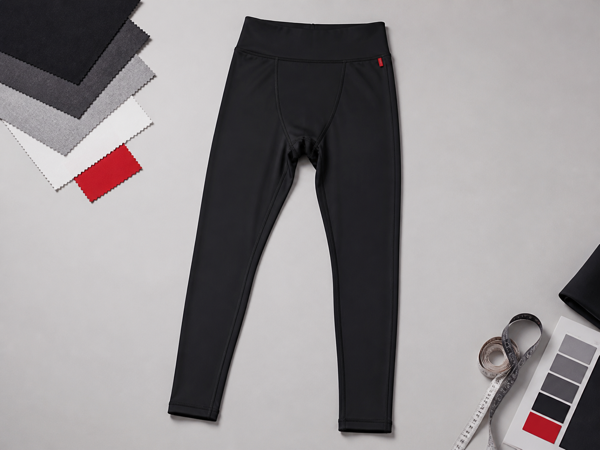
Fit base
Leggings, bras, tops and joggers start from known blocks, then adjust target compression and size curve.
A base-pattern library spanning 5 product families — leggings, sports bras, hoodies, joggers, shorts and more. Pick a silhouette, swap fabric and color, add your logo. MOQ 100/SKU.
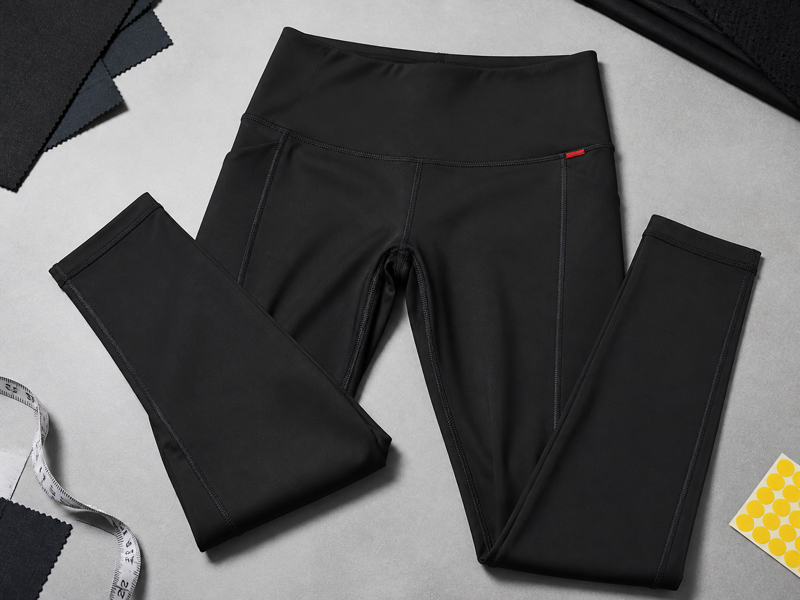
ODM is the right lane for a first drop, market test or replenishment program where the buyer needs controlled fit quickly. The factory keeps the base pattern stable while your team chooses fabric, color, logo treatment and label kit.
Leggings, bras, tops and joggers start from known blocks, then adjust target compression and size curve.
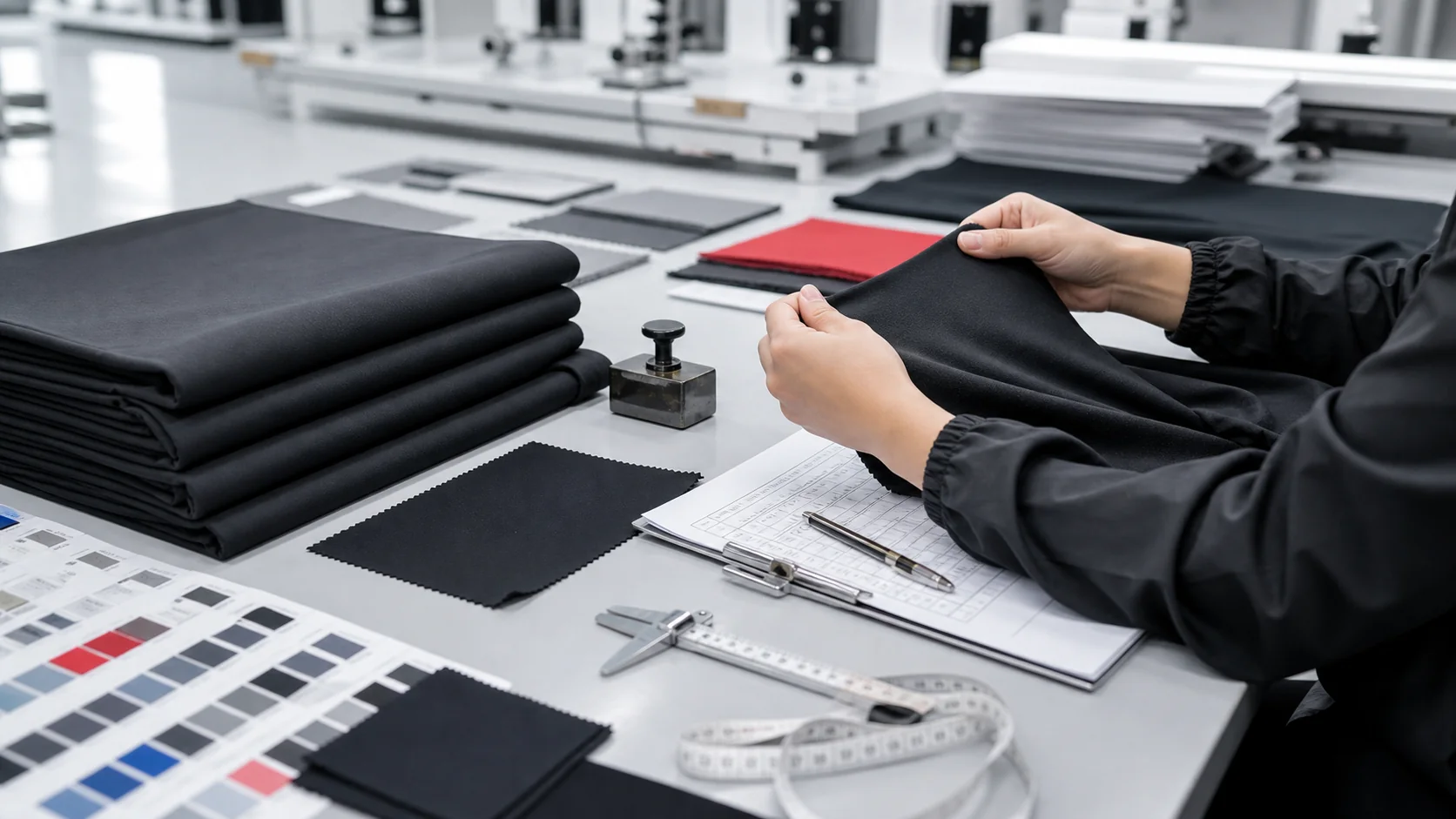
Fabric library choices are checked for GSM, recovery, opacity and color before sample cutting.
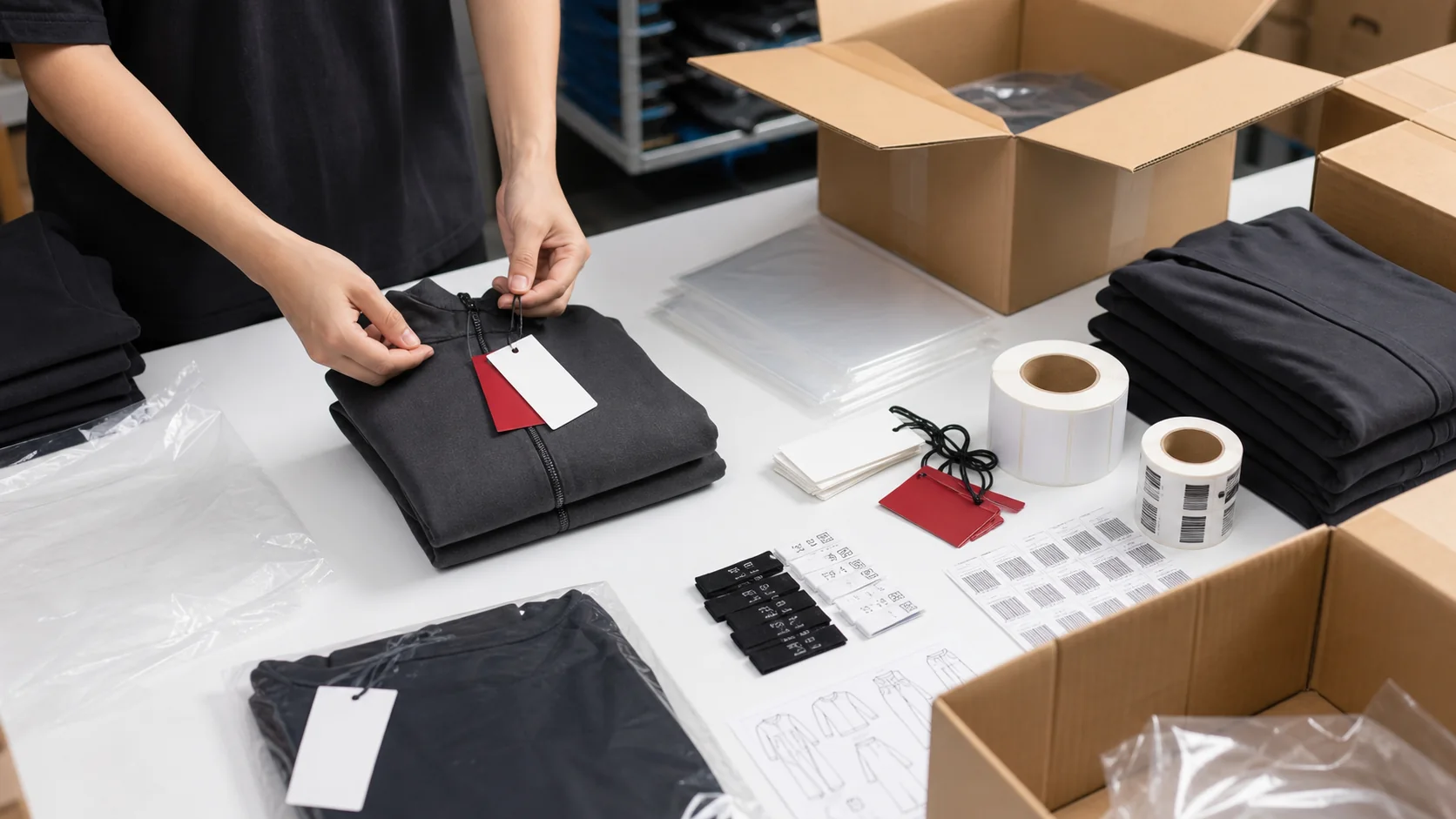
Labels, hangtags and bags can be added to a library style without moving the project into full OEM.
Explore base silhouettes organized by product family. No design fee, no tech-pack required.
Choose from the stock-fabric book or specify custom. Pick your Pantone colorway. Confirm logo placement and label specs.
1 piece produced from your pattern + fabric + color selection. USD 45 per sample. 5 working days on stock fabric / 12 working days on custom fabric.
Review fit, color accuracy, and print placement. Up to 2 rounds of minor revisions at no extra charge.
MOQ 100/SKU, size ratio flexible (XS–XXL split within the 100). 30–40 days from approval to shipment. AQL 2.5 pre-shipment inspection included. Full MOQ split policy: see FAQ.
Library refreshed periodically based on repeat-client requests and silhouette validation data from sampled programs.
| Pattern Family | Library Silhouettes | Fabric Swap (GSM band) | Decoration Swap | Branding Swap |
|---|---|---|---|---|
| Training & Performance | Leggings · sports bras (low/mid/high impact) · compression tops · training shorts | 180–320 GSM 4-way stretch knit (Nylon/Spandex or Poly/Spandex per fabric record) | Sublimation · DTG · silicone · heat transfer | Hangtag · woven main label · printed care label · polybag |
| Athleisure | Hoodies (pullover/zip) · joggers · oversized tees · pullover jackets | 160–360 GSM French terry · brushed fleece · cotton-poly · tri-blend | Embroidery · DTG · heat transfer · silicone print | Hangtag · woven main label · printed care label · polybag |
| Team & Club | Game jerseys · training tees · warm-up sets · numbered vests | 140–280 GSM mesh / interlock / brushed polyester | Full-bleed sublimation + per-piece roster CSV personalization | Hangtag · care label · numbered polybag per player |
| Outdoor / Running | Windbreakers · running tights · singlets · technical shells | Light 50–160 GSM (windbreakers/singlets) + mid-heavy 180–260 GSM (softshells/tights) | Sublimation · heat-transfer reflective tape · embroidery | Hangtag · care label · polybag |
| Accessories | Headbands · arm sleeves (UPF 50+ opt) · performance socks · 5/6-panel caps | 180–240 GSM knit (caps shell varies) | Sublimation · embroidery · jacquard knit (socks) | Hangtag · care label · polybag |
Base pattern geometry, seam architecture and panel layout stay fixed across all swaps. Per-family fabric and decoration depth lives on each product family page. ODM lead time is 30-40 days from approval to shipment.
Fabric type, fabric weight (GSM), colorway (Pantone), logo placement, label and hangtag, minor fit adjustments (hem length, waistband width, neckline depth).
Base pattern geometry, seam architecture, panel layout.
ODM is the right lane when fit can start from a proven library block and your priority is speed-to-shelf. OEM is the right lane when the project requires pattern ownership, custom geometry and full spec control.
The full dimension-by-dimension comparison — starting file, what stays open, pattern work, lead time, price structure and first-decision risk — lives on the Services overview. The OEM track itself is documented on the OEM service page.
Most brands start with ODM for their first SKUs, then move to OEM once they have validated fit and demand with real sales data.
100
MOQ / SKU
$45
Sample Fee
30–40
Days Bulk Lead Time
5
Product families in library
Library-based pricing is simpler than custom work because three of the usual unknowns are already solved. What remains is mostly arithmetic.
The pattern, grading and marker already exist and have produced garments before. You skip both the USD 220 pattern fee and the revision loop that usually follows a first pattern.
The stock-fabric book carries standing mill prices, so the fabric line of your quote is a lookup, not a negotiation. Custom fabric is possible but pulls the project toward OEM economics.
Logo placement, labels and hangtags price as itemized additions on top of the base garment — you see exactly what each brand element costs and can cut the ones that don’t earn their keep.
Because base costs are known, we publish the quantity steps in the first quote. Many buyers discover that stretching from 100 to 300 pieces per SKU funds itself out of the unit-price drop.
Requesting seam relocations or new panel geometry quietly converts the project into pattern development. If you need that level of control, request the OEM track early — it prices pattern-development work as a separate line, rather than absorbing it as ODM revisions.
The same pattern in a different recovery fabric is a different garment on the body. When you swap fabrics within the library, we re-check the fit assumptions rather than assuming the block still holds.
A proven block still benefits from a week of wear testing on bodies in your target market before bulk — fit issues that survive the block stage typically surface during real-use exposure rather than on the fitting table.
Calling our M your S changes the label, not the garment. If your audience runs differently from the block’s assumptions, we adjust the grade rule — a small, legitimate modification — instead of relabeling.
Most new brands open with a legging, a bra and a short from the library — 300 pieces total across three SKUs, each with its size split inside the hundred. One fabric family across all three keeps dye lots and reorders simple.
Three samples, one shipment, reviewed together on one body. Set-level review catches the mismatch — a bra band that fights the legging waistband — that piece-by-piece approval misses.
Production lands in the 30–40 day window. After two or three selling cycles you will see which silhouette warrants moving from library economics to proprietary OEM development, and which keeps performing on the library track.