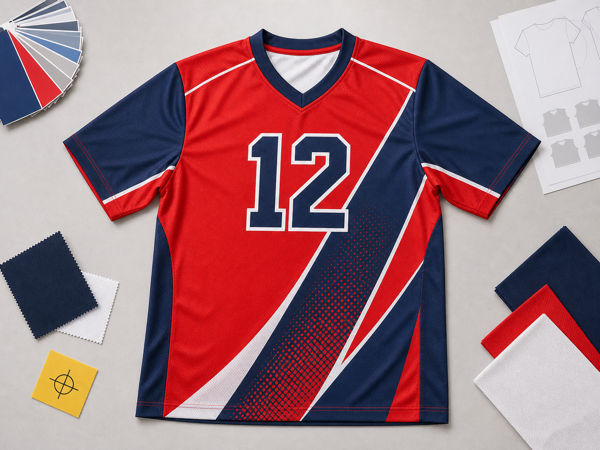
Full-bleed graphics
Best for polyester team kits and panels where color must run edge to edge.
Sublimation · DTG · Screen Print · Silicone · Embroidery · Heat Transfer — combinable on the same PO, no separate MOQ per method. One facility, one QC lane, one production schedule.
6 methods · 4 sublimation lines · 24-person decoration team · combinable on same PO
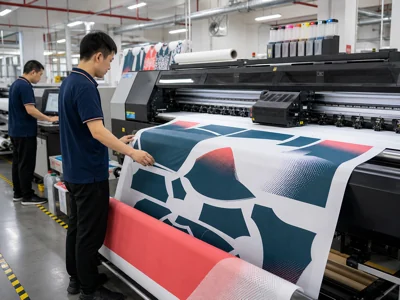
A decoration decision made too late can change hand feel, wash performance and production timing. This page separates each method by fabric base, logo size, color count and whether the garment needs roster-level personalization.
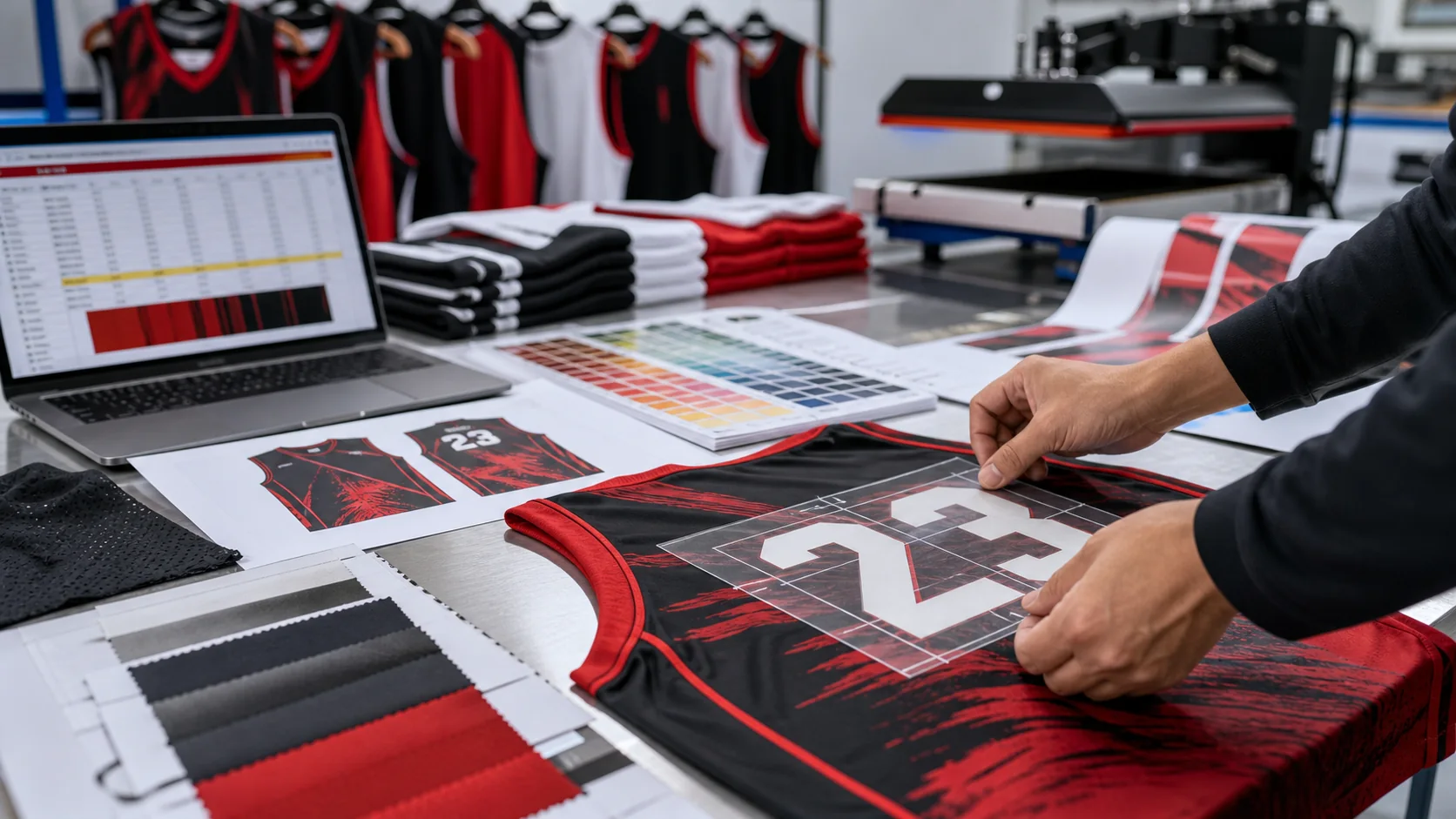
Best for polyester team kits and panels where color must run edge to edge.
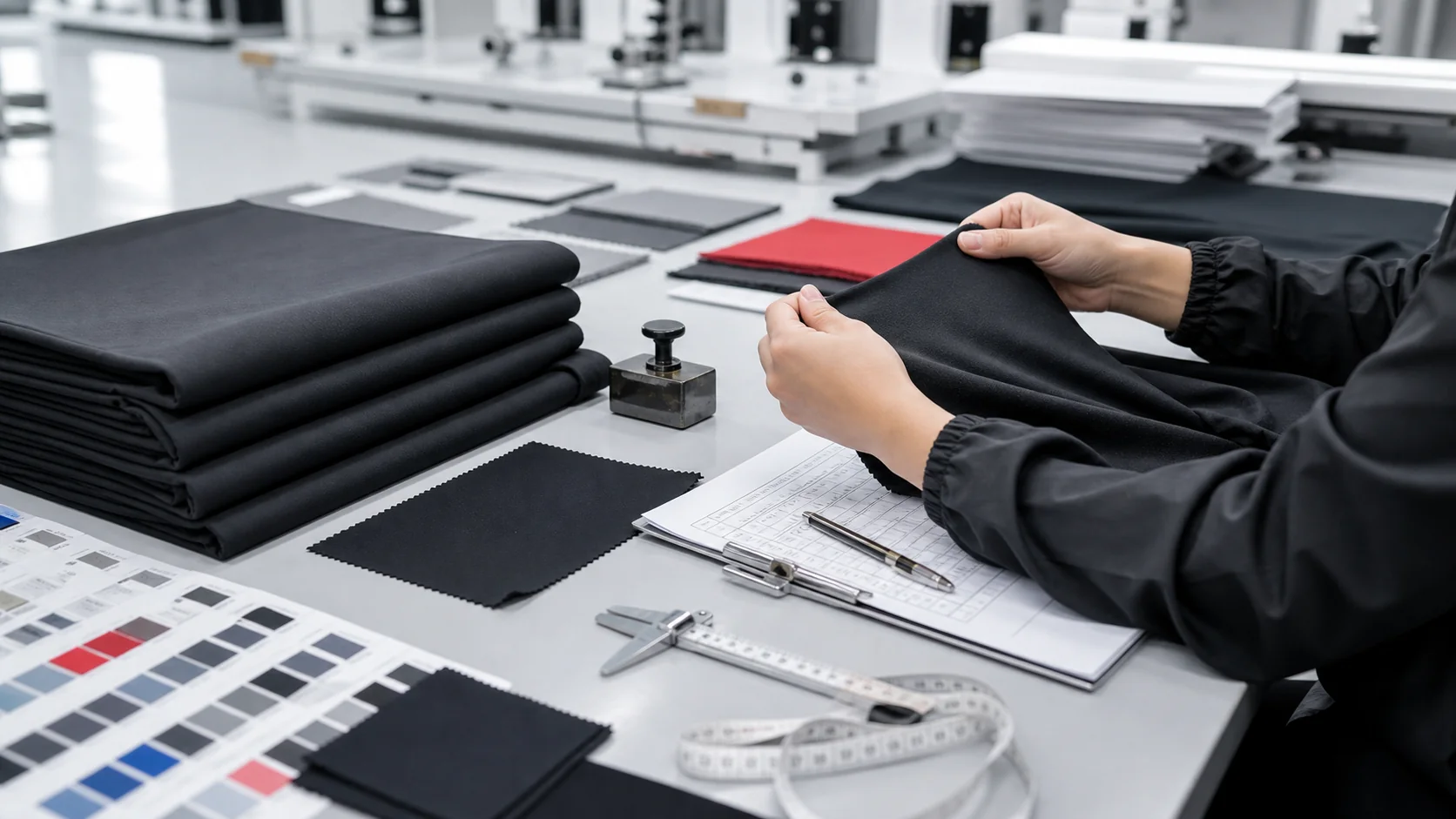
Base fabric decides whether DTG, screen, silicone, sublimation or heat transfer is the safer method.
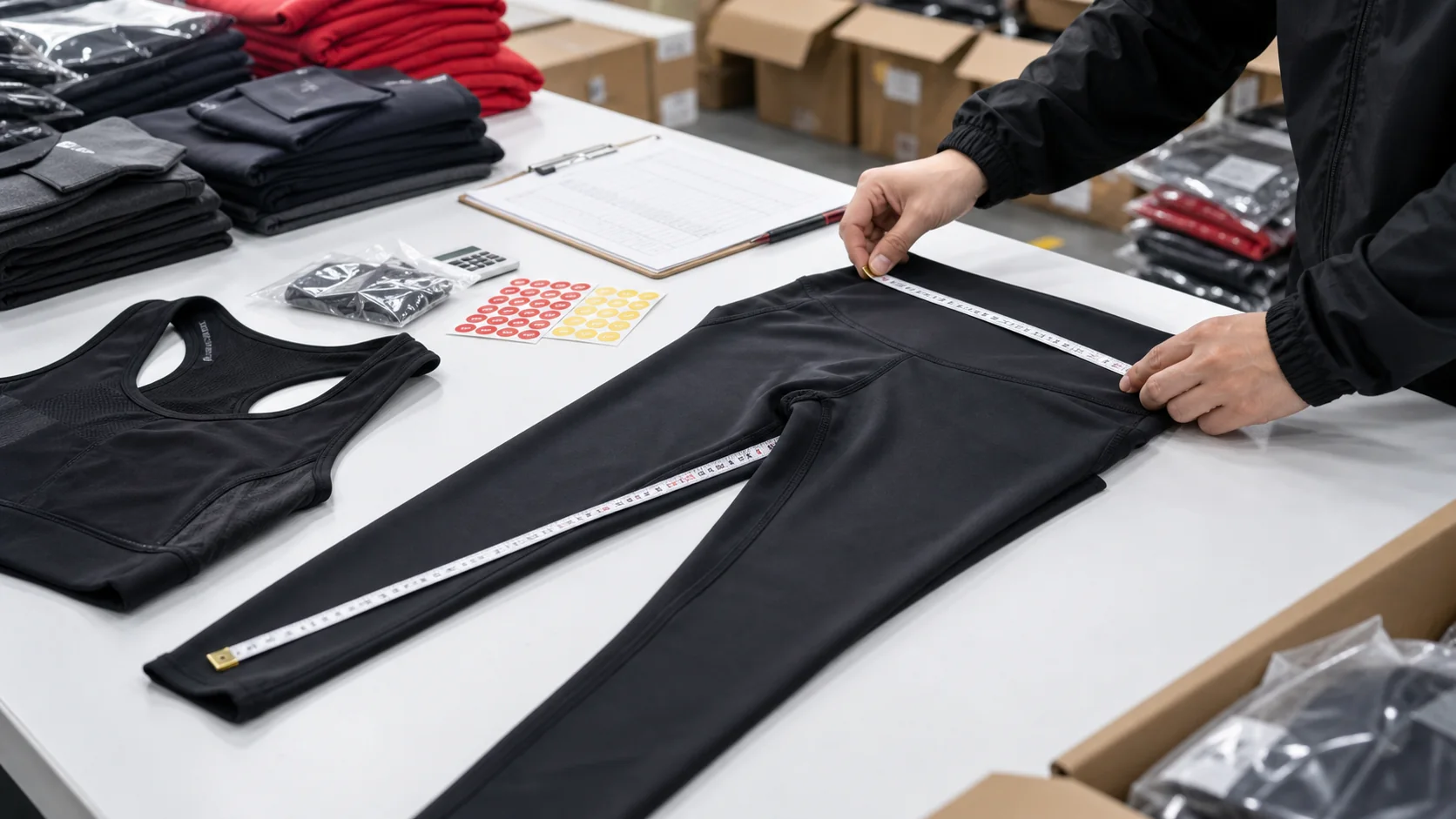
Placement, color, surface defects and garment measurements are checked before packing.
Each method below runs on dedicated equipment inside the same facility. Combine sublimation base print with embroidered chest logo on the same PO — no split shipments, no separate MOQ per decoration.
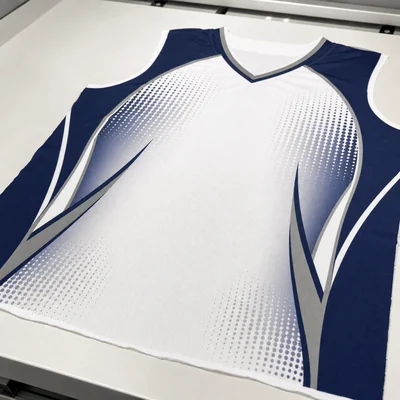
Full-bleed, edge-to-edge print with unlimited colors. Ink bonds into the polyester fiber rather than sitting on top — the panel passes wash tests that surface prints fail. Best for all-over jerseys, leggings and training tops where color coverage runs seam to seam.
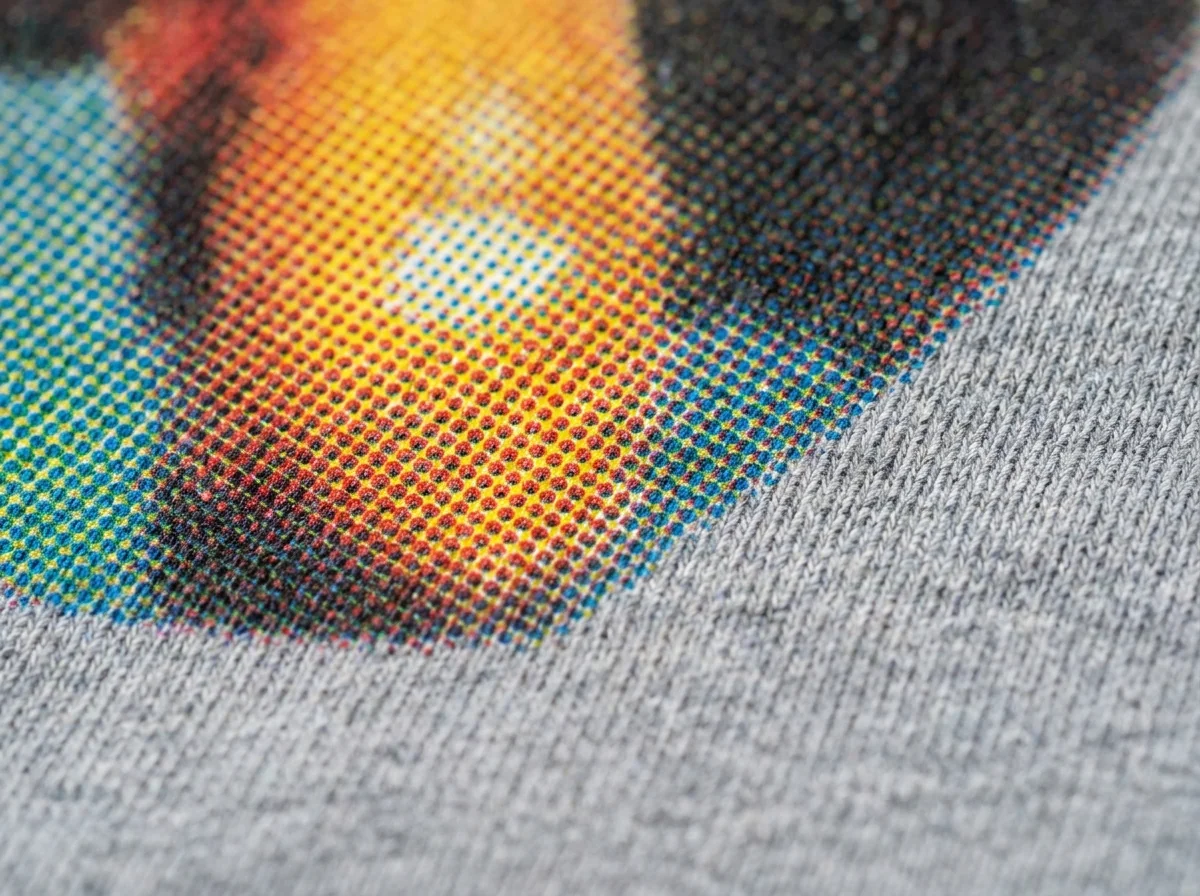
Photo-quality inkjet printing directly onto fabric. Handles gradients, halftones, and photographic artwork on cotton and cotton-blend garments. Best for small-run tees, hoodies, sweatpants where artwork detail matters more than coverage area.
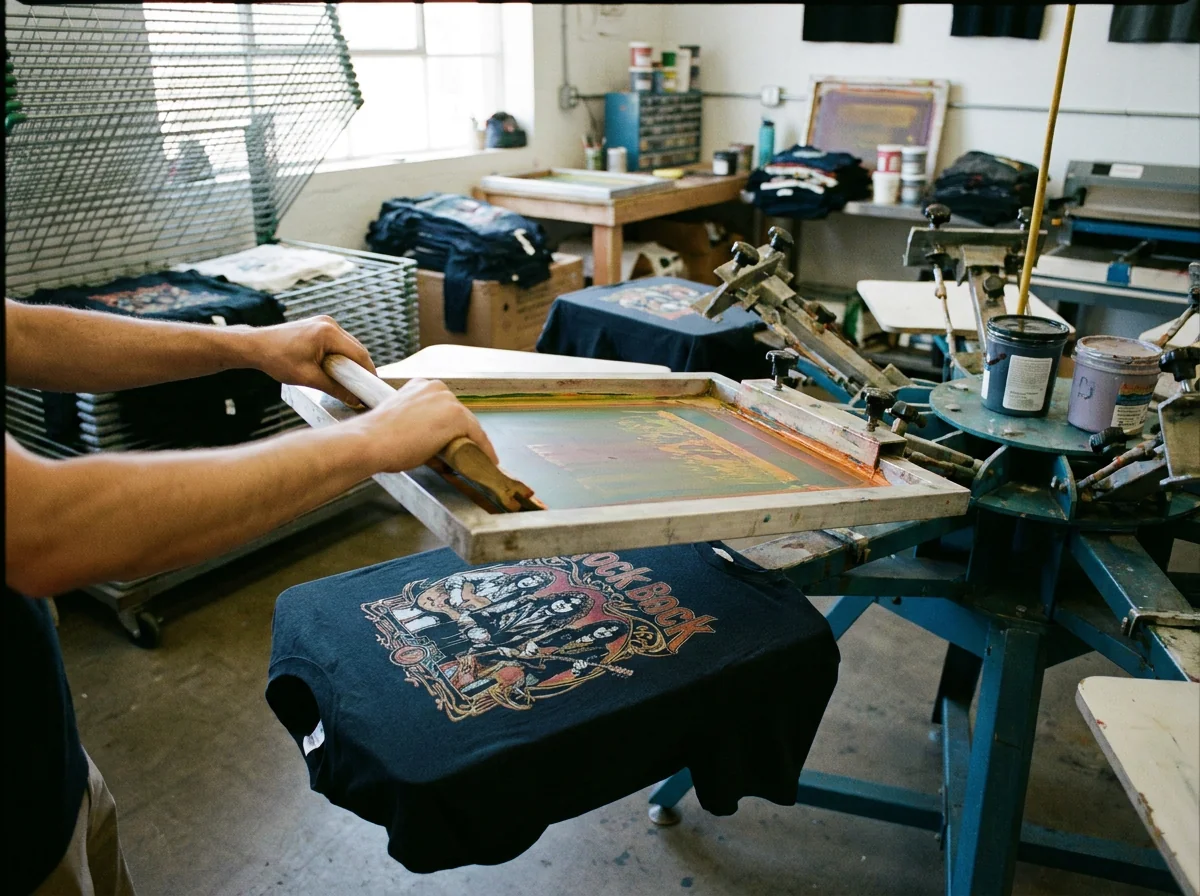
High-volume Pantone-matched spot color printing. Each color gets its own screen — cost-efficient at scale when artwork uses 1-8 flat colors. Best for bulk branded tees, uniform runs, promotional apparel with logo and wordmark.
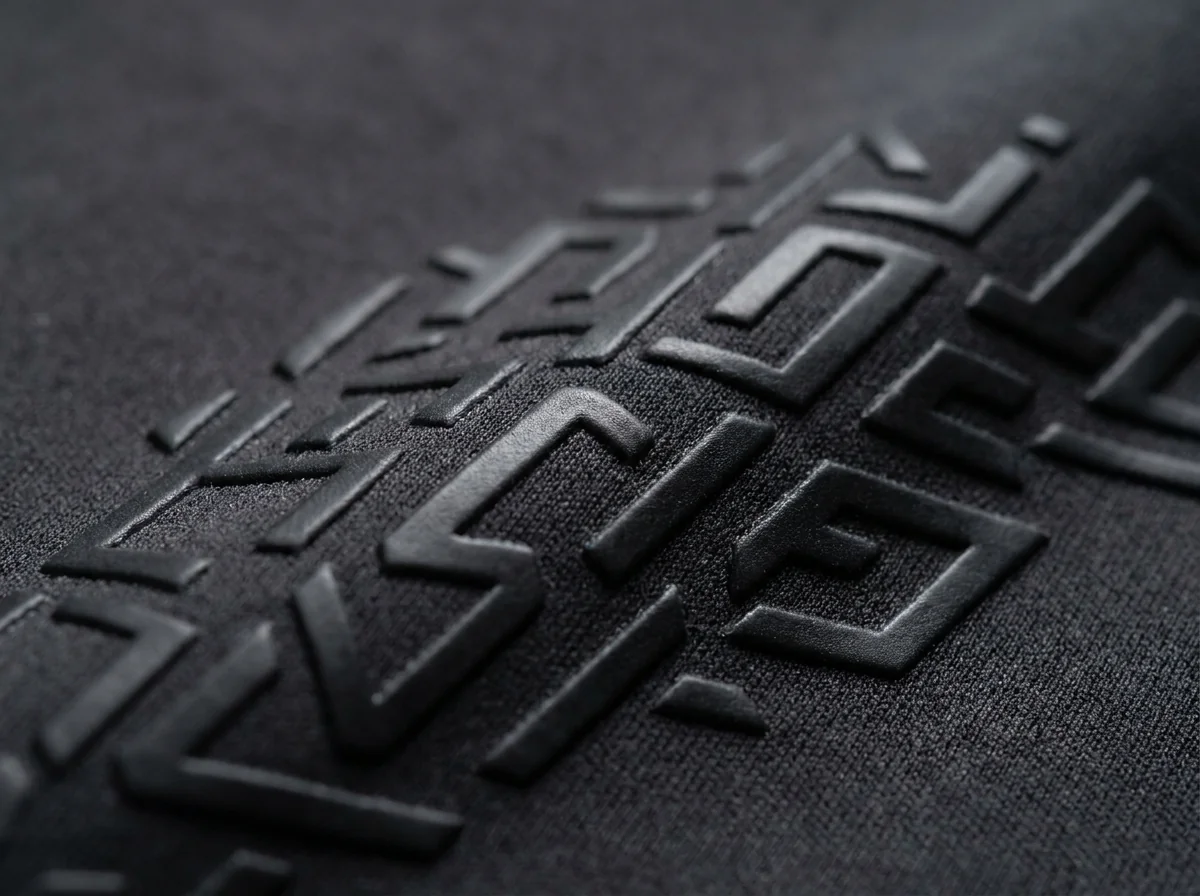
Raised, textured print with a rubberized, tactile feel. Stretches with the garment without cracking. Best for logos on compression wear, sports bras, leggings where the decoration must move with four-way stretch.
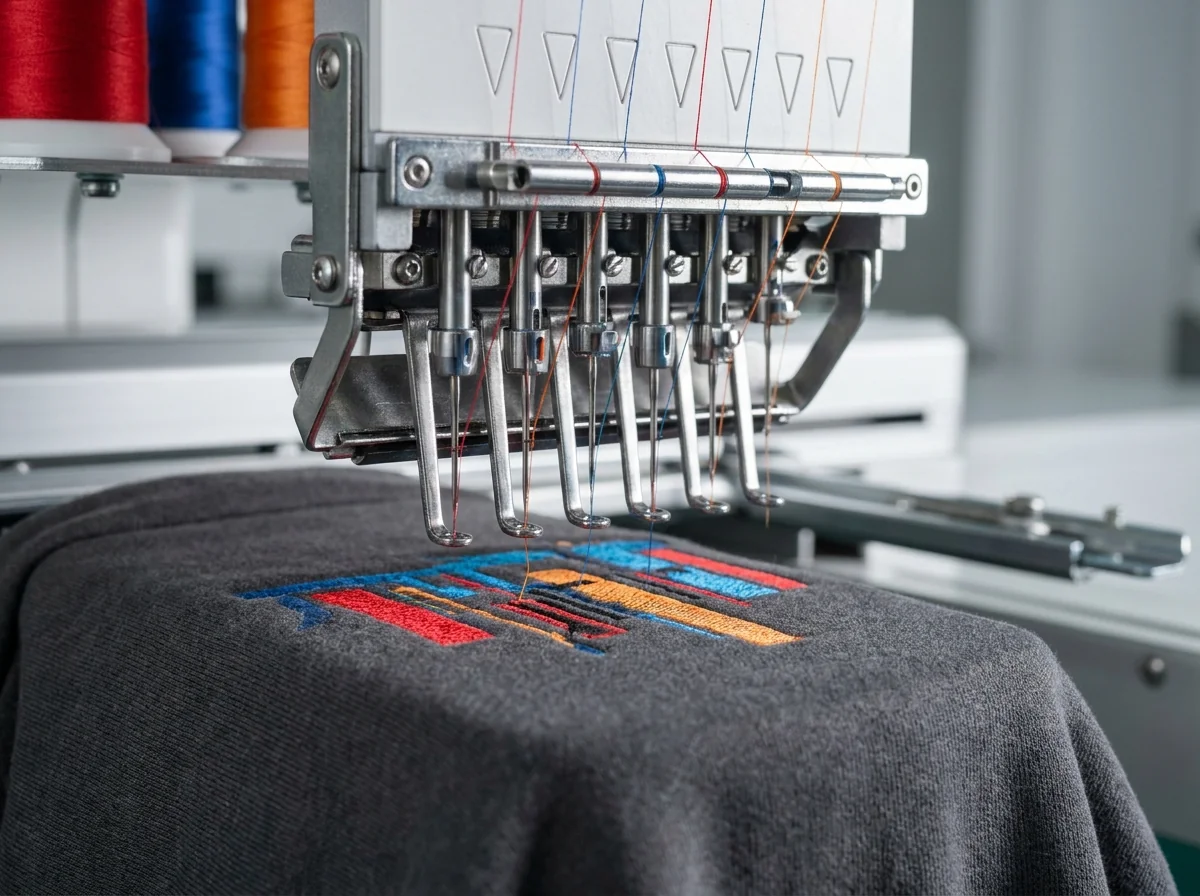
Thread-stitched decoration up to 12 colors and 15,000 stitch count per placement. Flat embroidery for logos, 3D puff for raised lettering. Best for chest logos, sleeve badges, cap fronts, polo collars — wherever thread texture reads as high-perceived-value.
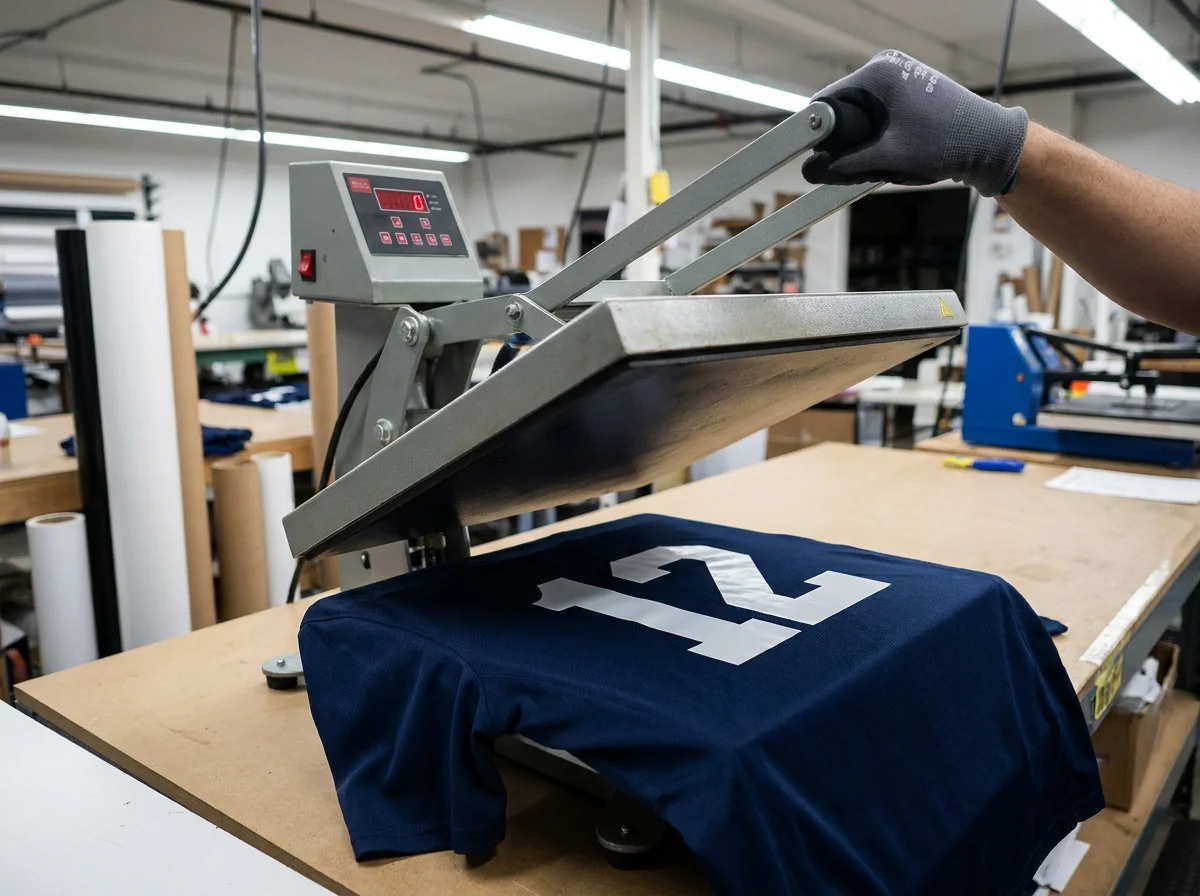
Pre-cut vinyl or flex film heat-pressed onto fabric. Per-piece personalization — individual names, numbers, sponsor blocks. Best for team jerseys, event tees, roster-driven orders where every piece carries different text.
Match your fabric, artwork type, and order volume to the right decoration. Not sure? Send your artwork files and we will recommend.
| Method | Fabric Compatibility | Best For | Hand Feel | Color Range | Wash Test | MOQ Impact | Combinable? |
|---|---|---|---|---|---|---|---|
| Sublimation | Polyester / poly-blend (65%+) | All-over jerseys, leggings | None (in-fiber) | Unlimited | Tested to 50 wash cycles, fade resistance | No extra MOQ | Yes — base layer |
| DTG | Cotton / cotton-blend (50%+) | Photo artwork, small runs | Soft, minimal | Unlimited (CMYK) | Pre-treatment + wash retention; not recommended on dark heavyweight (see streetwear) | No extra MOQ | Yes |
| Screen Print | All fabrics | Bulk logo runs, 1-8 colors | Slight surface film | 1-8 spot (Pantone) | 50-cycle crack and peel | No extra MOQ | Yes |
| Silicone | Stretch fabrics | Logos on compression wear | Raised, rubbery | 1-6 colors | Flex-resistant on stretch fabric (no documented wash-count) | No extra MOQ | Yes — overlay |
| Embroidery | Woven & knit ≥ 150 GSM | Chest logos, badges | Thread texture | Up to 12 threads | ±1 mm registration with cut-away backing | No extra MOQ | Yes — accent |
| Heat Transfer | All fabrics | Names, numbers, per-piece | Thin film | 1-3 per transfer | Cured adhesive (per-piece personalization layer) | No extra MOQ | Yes — personalization layer |
Combine sublimation base + embroidered chest logo + heat-transfer back name on the same jersey. One PO, one production schedule. Full MOQ-by-SKU policy: see FAQ. For deep-dive on combining methods on a streetwear drop, see the streetwear manufacturing page.
Match your file format to the method. Artwork that arrives production-ready skips the pre-press redraw queue and pre-press charge; late or non-conforming files re-enter the queue and extend the lead.
Vector (AI / EPS) or 300 DPI raster (PSD / TIFF). CMYK color mode. Full-bleed artwork must include 3 mm bleed past seam lines. Pantone reference for critical brand colors.
300 DPI raster (PNG preferred, transparent background). RGB color mode — our RIP software handles conversion. File size matches actual print dimensions at 1:1 scale.
Vector (AI / EPS) with spot colors mapped to Pantone codes. Separate layer per color. Maximum 8 colors per placement. Trap lines 0.25pt minimum.
Vector (AI / EPS) with closed paths. No gradients — silicone prints in solid fills only. Minimum line width 1 mm. Each color on its own layer.
Vector (AI / EPS) for digitizing. We convert to DST / EMB stitch file in-house. Minimum detail size: 1.5 mm line, 3 mm text height. Provide thread color references (Madeira or Pantone).
Vector (AI / EPS) for cut paths. Mirror-image export not needed — we handle pre-press flip. Per-piece variable data: supply CSV with columns for name, number, and placement.
Not sure about your file? Send what you have — our pre-press team reviews within 24 hours
Stacking works because the six methods live under one roof — but only when the sequence respects how each process treats the fabric.
Sublimation happens at panel stage, before assembly — the press needs flat fabric. Embroidery follows once panels are joined and hooping is possible. Heat-applied names and numbers go last, after the garment exists. Reversing any of these ruins the piece, which is why a stacked PO is sequenced at planning, not improvised at the press.
When a jersey carries a sublimated base, an embroidered crest and a transferred number, all three positions are approved on a single placement document. Approving them separately is how a crest ends up stitched through a sponsor’s logo.
Silicone cures and transfer presses both re-heat fabric that may already have been through sublimation. Our 24-person decoration team tracks cumulative heat exposure per style, because a second press at the wrong temperature can shift sublimated color.
A defect found after stage one costs one process; found after stage three it costs the garment. Stacked orders get a quick gate check between decoration stages so reprints happen at panel price, not finished-jersey price.
Decoration is quoted per placement pass. A chest logo, a sleeve badge and a back graphic are three station passes even if they use one method — consolidating artwork into fewer placements typically moves the decoration line of the quote more than switching between methods at equal placement count.
Screen work scales with the number of separations; embroidery scales with stitch density. Simplifying a gradient logo to flat spot colors, or thinning a fill-stitch area, often halves that line of the quote without a visible difference at wearing distance.
Files that meet the spec below run direct to production; off-spec artwork enters a redraw queue that adds days and a pre-press charge to the quote.
Coverage decides it. Edge-to-edge or multi-color art favors sublimation; a one-color logo repeated across thousands of pieces favors screen, where each additional unit is nearly free.
Thread does not stretch; compression fabric does. On high-elongation zones we steer to silicone even when a buyer loves the embroidered look — or move the embroidery to a stable panel like an upper chest yoke.
Under a few hundred pieces with photographic art, DTG wins on setup economics. Past that point, screen overtakes it per unit. We run the crossover math in the quote so the choice is a number, not a preference.
Anything carrying individual names or numbers is a data-merge job before it is a printing job — it flows through team customization, where the CSV validation lives, then back here for the press work.