You know that moment mid-squat when you feel the fabric stretch just a little too much, and suddenly you're doing math instead of reps? Or the gym mirror confirms what you feared—everything's visible, nothing's supported, and you spent real money on this. Women workout clothes aren't a one-size-fits-all category. Brands can create better collections with custom women's workout clothes designed for different training needs.The difference between "cute on the hanger" and "actually functional" comes down to matching fabric, cut, and sports bra support level to what your body actually does during training. Whether you're deadlifting, sprinting, or flowing through vinyasa, this guide skips the influencer noise and gives you a real framework that lets you walk into any store, touch a fabric, do one quick squat test, and know within minutes if it's right for you.
Step 1: Identify Your Training Environment—The Impact Level Determines Your Support Needs
The same leggings that feel amazing during yoga can betray you during box jumps. Your body's impact level should dictate your athletic apparel fit.
Experienced women's gym wear manufacturers help develop performance-focused fits for active brands.Trainers classify workout intensity by heart rate into three tiers.
Low impact (50-60% max heart rate): Strength training, slow controlled squats, machine work. Your body barely leaves the ground. Moderate compression leggings and a light-support sports bra do the job. You need stability, not shock absorption.
Medium impact (50-70% max heart rate): Jogging, circuit training, walking lunges. There's repetitive bounce now. Breathable gym wear and moisture wicking fabric earn their keep because sweat management becomes real. A medium sports bra support level (encapsulation-style cups) keeps things comfortable without feeling like a straightjacket.
High impact (70-85% max heart rate): HIIT, sprinting, plyometrics, jump squats. Vertical force multiplies. You need high-support sports bras and squat proof leggings. Anything less, and you'll feel and see it within minutes.
Impact Level | Activities | Sports Bra Support | Legging/Bottom Priority |
|---|---|---|---|
Low | Strength, slow squats | Light support | Compression leggings, thicker fabric |
Medium | Jogging, circuits | Medium support | Moisture wicking fabric, seamless workout leggings |
High | HIIT, sprints, jumps | Maximum support | Squat proof leggings, high waisted yoga pants |
For a 10-second self-check, ask what your heart rate is doing during your usual session. If you're gasping and bouncing, you're high impact. No exceptions, no cute prints that compromise support. If you're moving slow and controlled, you have more flexibility in fabric choice.
Once you know your tier, fabric weight, seam construction, and compression percentage become a formula.
Step 2: Narrow Down Fabric Technologies—Three Key Functional Categories
Flip any workout top inside out right now. The care label tucked into the seam holds more information than any salesperson will give you. Three specific labels separate the leggings that survive burpees from the ones that pill after two washes.Private label fitness apparel programs allow brands to customize fabrics, designs, and branding.
Label #1: Moisture Wicking Fabric. If the tag doesn't explicitly say "moisture wicking," "quick dry," or list a wicking technology name, treat it as a basic cotton blend—fine for the couch, wrong for the gym. True moisture wicking fabric pulls sweat to the surface and evaporates it fast. That's why it earns that specific label.
Label #2: Spandex/Elastane Percentage. This is where compression leggings live or die. Look at the composition breakdown:
12-18% spandex = light compression, good for yoga or low-impact days
18-25% spandex = the sweet spot for squat proof leggings and high waisted yoga pants that need four-way stretch without going sheer
Under 10% spandex on anything marketed as "leggings" = red flag, walk away
Label #3: Fabric Weight (GSM). Breathable gym wear for hot yoga or summer running should sit around 180-220 GSM. Anything heavier feels suffocating; anything lighter risks transparency during a deep squat.
Quick dry workout tops and seamless workout leggings that check all three boxes are engineered. Skip anything missing even one label. Your skin, and your squat, will notice the difference.
Step 3: Build Your “Minimalist Workout Wardrobe”—Budget and Quantity Chart
Forget twenty pairs of leggings. You need the right four.Retailers often choose wholesale women's gym leggings to build affordable workout collections.
The formula is simple:Number of items = Number of items used per day × Number of days between washes × Buffer factor (1.2–1.5)。 If you train four days a week and do laundry every three days, that gives you roughly 4 tops and 4 bottoms. That's it. Anything beyond that is closet clutter dressed up as "options."
Two tiers to choose from:
Category | Minimalist Setup (3 Outfits) | Comfortable Setup (5 Outfits) |
|---|---|---|
Activewear Tops | 3 pieces | 5 pieces |
Activewear Bottoms | 2 pieces | 4 pieces |
Sports Bras | 3 pieces | 5 pieces |
Sports Socks | 4 pairs | 6 pairs |
Sports Jackets | 1 piece | 2 pieces |
Sports Shoes | 1 pair | 2 pairs |
What matters is cost per wear. A ¥200 top worn 80 times costs ¥2.5 per session. A ¥80 top worn only 10 times before it stretches out costs ¥8 per wear. Target ceilings : tops ≤¥3, bottoms ≤¥4, shoes ≤¥8 per wear. Buy fewer pieces, but buy the ones that survive the wash cycle.
Step 4: Refine Your Outfit Choices Based on Activity Scenarios
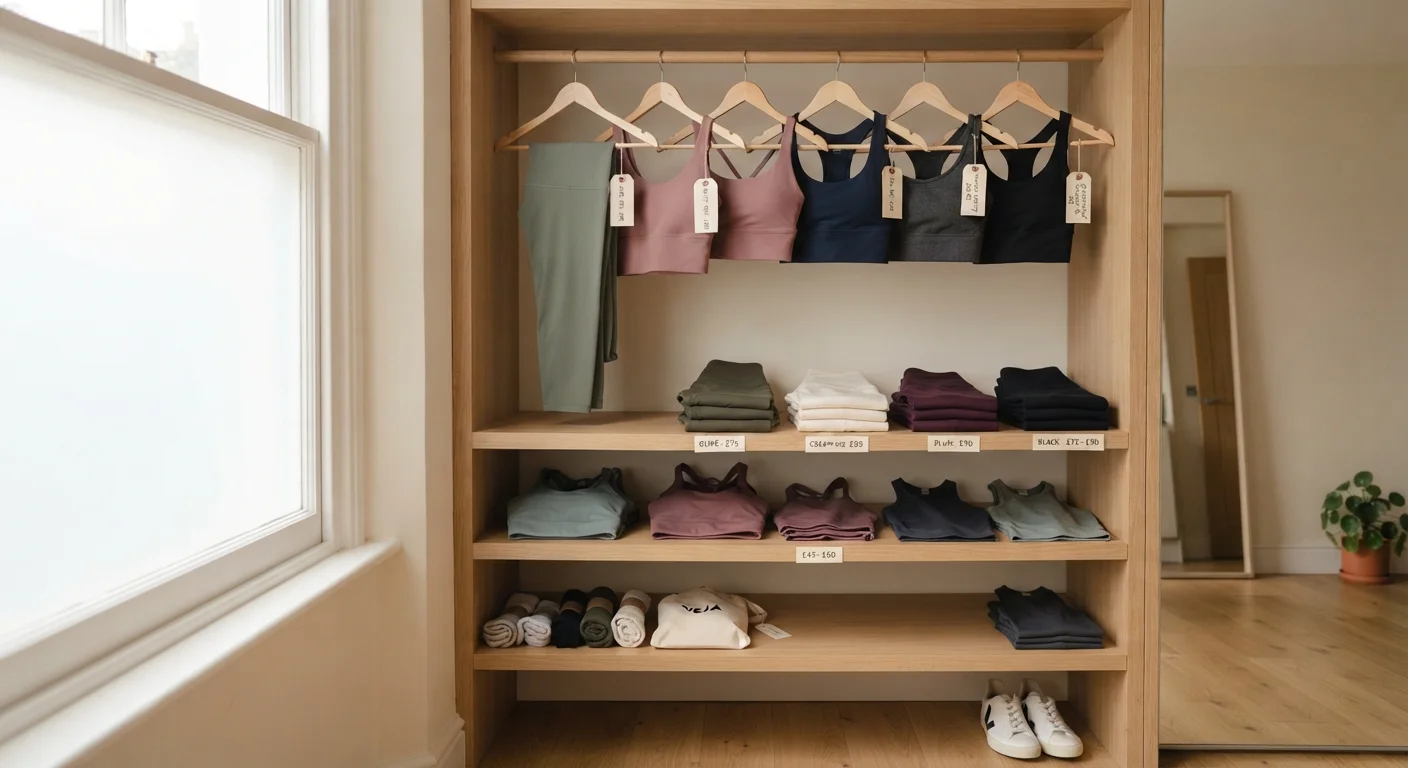
The same outfit that looks incredible on Instagram can fail spectacularly depending on what you're doing in it. A cute matching set is a coin flip. Real athletic apparel fit comes from matching each piece to the specific demands of your workout.A reliable activewear factory can support quality control from fabric selection to production.
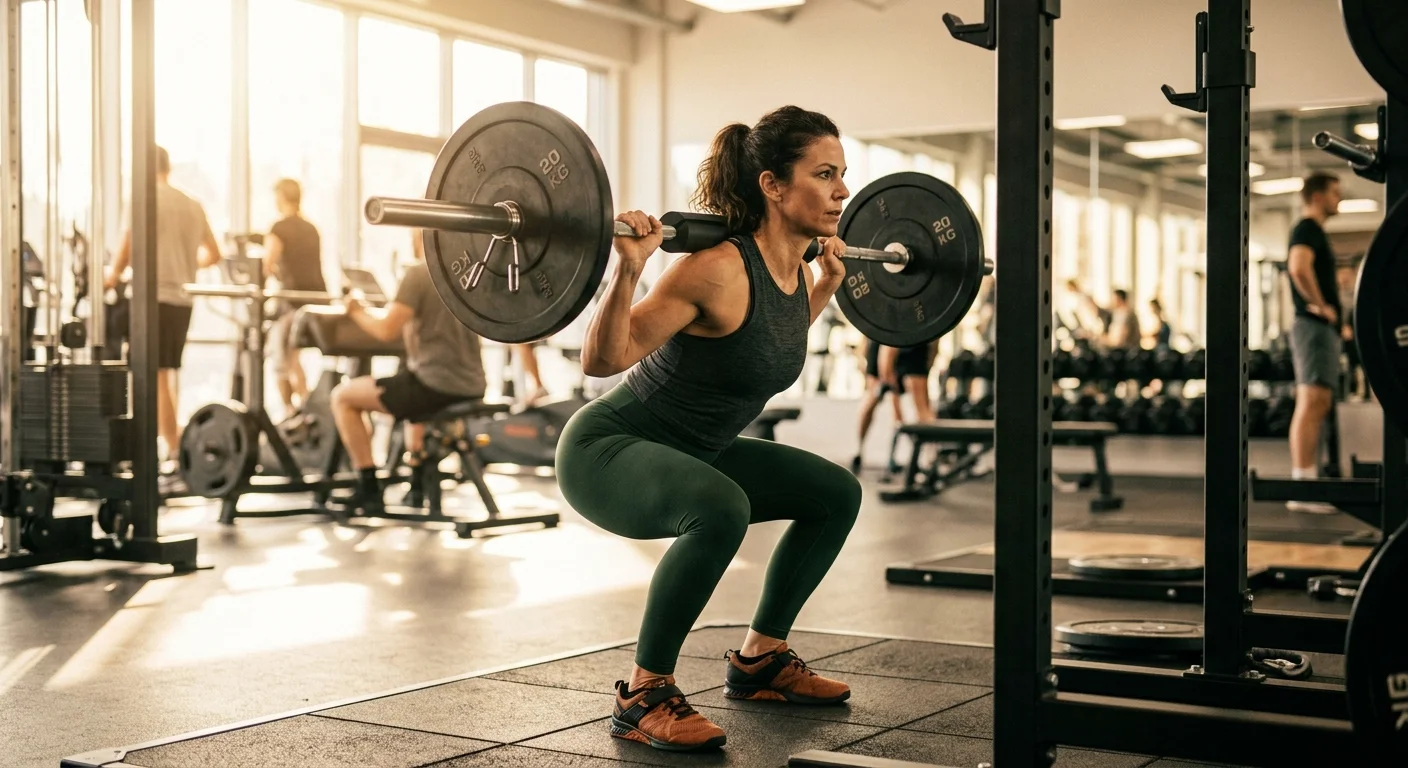
Strength training (gym floor, squat rack): Your top needs spandex content of 8-12% minimum through the shoulders and back so overhead presses don't restrict you. Pair a high-support sports bra with a fitted tank. Jumping and racking weights both create impact you need locked down. Bottoms should stretch to at least 120% elongation so a deep lunge or squat doesn't feel like it's fighting you. Look for waistbands at least 5cm wide with light compression to prevent slide-down mid-set.
Running (road or trail): Lightweight wins here. Summer tops should sit around 90-140 g/m². Anything heavier clings and chafes by mile two. If you run at dusk, reflective strips totaling 30cm+ front and back are safety. Shorts with a 5-7 inch inseam and built-in anti-chafe liner solve the inner-thigh friction problem almost every new runner discovers the hard way.
HIIT and group classes: You're moving sideways, jumping, pivoting. This is where seamless workout leggings with four-way stretch (not just vertical give) actually matter. Look for mesh paneling covering at least 30% of the back and side panels for heat escape, and tapered ankles so you're not tripping over excess fabric mid-burpee.
Yoga and Pilates: High waisted yoga pants that cover above the navel, with strap designs that won't shift during inversions, are non-negotiable. Run the deep-squat light test before buying. If it shows skin tone through the fabric, put it back.
Step 5: Practical Self-Check—Three Methods to Help You Determine
Your eyes lie, but your hands and body don't. Before you swipe your card, run three quick tests on any piece.OEM activewear services help fitness brands develop women's sportswear with unique specifications.
Method 1: The Water Drop Test (30 seconds). Drop a single bead of water on an inconspicuous spot. If it spreads and disperses within seconds, the moisture-wicking fabric is doing its job. If the bead just sits there, that top will trap sweat against your skin by minute twenty of your workout, no matter what the tag claims.
Method 2: The Shoulder-Line Match (1 minute). Hold the top against your chest on a hanger. The shoulder seam should land right on your shoulder point, maybe half a centimeter beyond. If it collapses inward, your arms will feel boxed in during presses. If it droops past your shoulder onto your upper arm, expect wobble during any high-impact movement.
Method 3: The Motion Simulation (1 minute). Raise both arms overhead ten times. Watch the hem. If it creeps up more than 2-3cm and stays there, the cut is too short or too tight through the ribs. Then do your actual movement: a few squats, a light jog in place, a downward dog. Feel for tugging at the armpit, digging at the shoulder seam, or that telltale clammy heat building where fabric meets skin.
Run all three in under ten minutes: three minutes fabric, four minutes movement, three minutes gut-check. Then you'll know if it fits.
Common Pitfalls—Real-World Examples to Help You Avoid Actual Problems
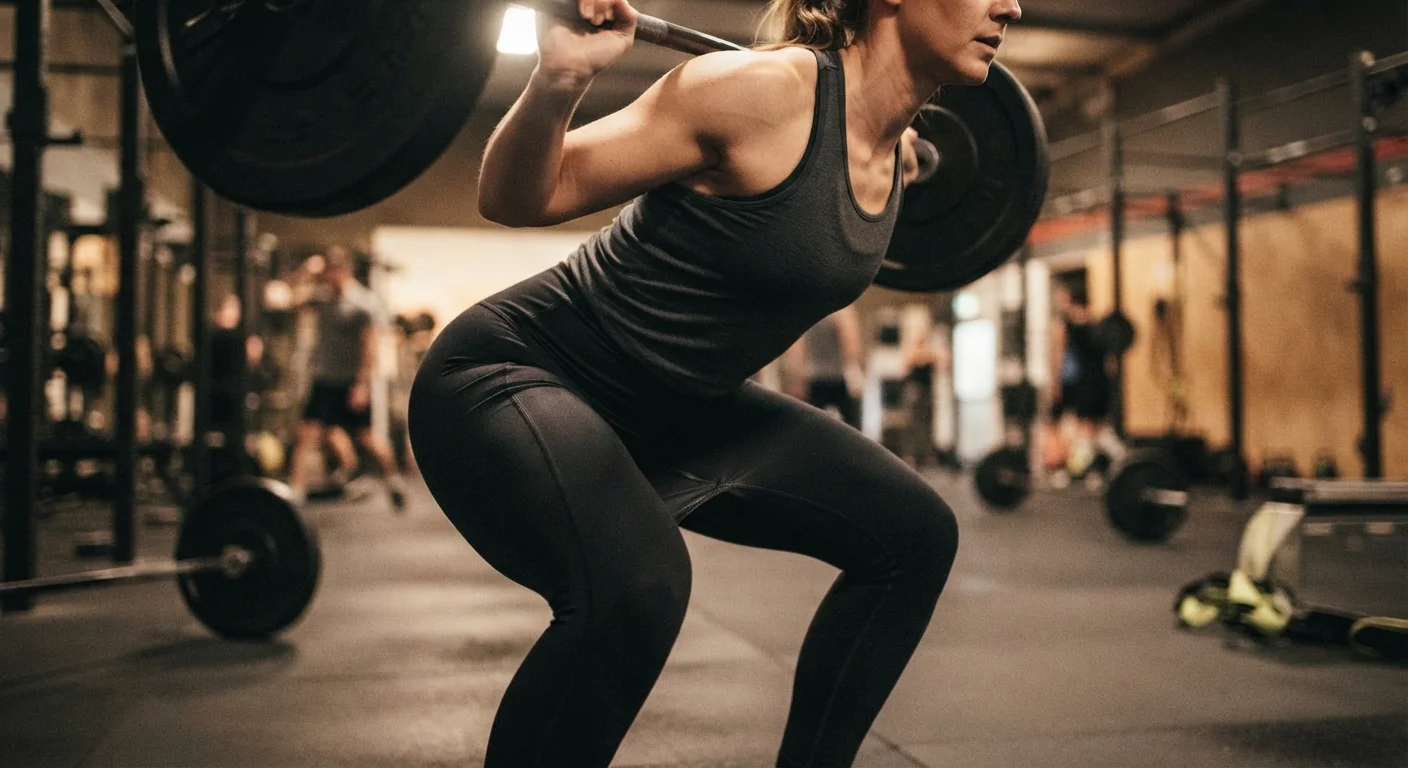
I've watched more than one training partner rack the bar, drop into a perfect squat, and hear that unmistakable rrrrip right at the inner thigh seam. It's mortifying. It's also almost always predictable once you know what to look for.
Three Real Causes Behind Squat Leggings Blowouts
Most “blowouts” are caused by movement patterns rather than the leggings themselves.
Knee Valgus (Knees Caving In)
Knee valgus causes your knees to collapse inward during squats, concentrating stress on the inner thigh seam. If your compression leggings use single-line stitching instead of reinforced three-line overlock stitching, this area becomes the most likely failure point.
Heels Lifting Off the Ground and Weight Shifting to the Toes
When your heels lift and your weight moves forward, your body leans too far forward, transferring extra tension to the waistband and crotch seam area. If your squat proof leggings do not feature a gusseted crotch with an extended triangular panel, this movement can push the fabric beyond its limits.
Good Morning Squat Pattern (Hips Rising First During the Ascent)
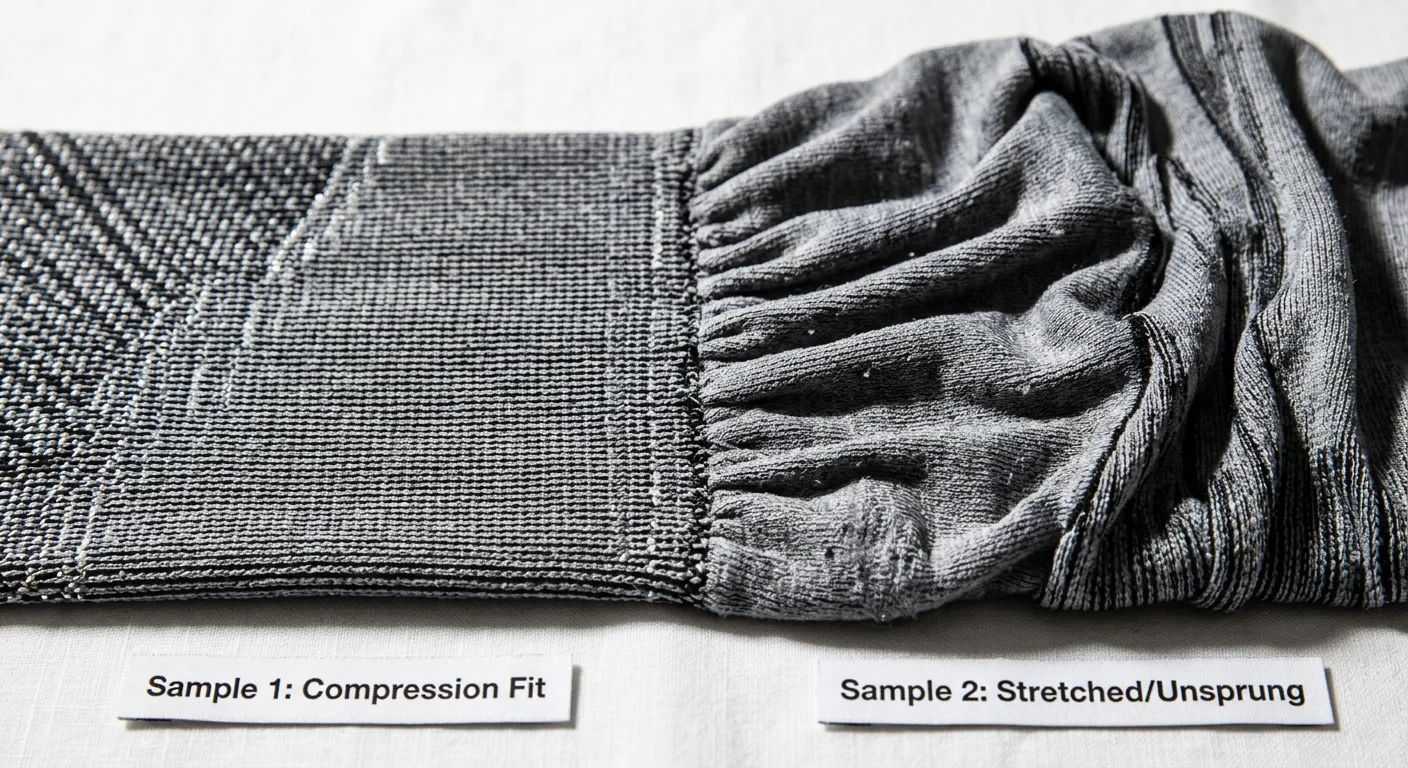
When your hips rise before your chest during the squat, your lower back takes on more load, which also puts excessive stretch on the waistband. Over time, the elastic loses its ability to recover, and failure becomes only a matter of time.
The self-check method is simple: record a side-view squat video and check whether your knees consistently track over the center of your feet and whether your heels stay firmly on the ground throughout the movement. If both areas need improvement, correct your squat form first, then choose leggings with a reinforced gusset and more than 120% four-way stretch capability.
Three Places Where Running Chafing Can Happen Without You Noticing
Inner Thighs
This area is often irritated by loose cotton shorts rubbing against the skin. Switching to fitted running bottoms with an anti-chafing inner layer can make an immediate difference.
Underarms and Chest Area
Rough fabrics can rub against your skin during long-distance runs, causing irritation, broken skin, or even bleeding. Choosing polyester or nylon quick dry workout tops can significantly reduce friction.
Heels
Blisters caused by new running shoes are unrelated to clothing but are often overlooked.
Before wearing new gear for a long run, test it on a shorter distance first. During hot weather or heavy sweating, applying a thin layer of petroleum jelly to high-friction areas such as the inner thighs, underarms, and heels can create a protective barrier. This simple step can often deliver more immediate results than replacing multiple pieces of expensive breathable gym wear.
Conclusion
Know your training scenario, read a fabric tag like a pro, and trust the deep-squat test over a salesperson’s smile. That moves you from guessing to choosing.
So before you add another pair of compression leggings to your cart, run them through the checklist: impact.Bulk buyers can request custom wholesale price options for women's activewear collections.