You’ve registered your brand, found a few yoga pants factories on Alibaba, and now you’re staring at a blank email trying to figure out what to actually say. “ custom yoga pants ” isn’t a spec—and the second a supplier asks about your fabric GSM or waistband type, that confident feeling can evaporate fast. Most first-time brand owners lose weeks in back-and-forth emails not because their idea is bad, but because they’re missing the technical vocabulary factories expect on day one. This guide skips the branding fluff and hands you the real production playbook—from choosing yoga pants fabric and nailing your compression leggings design, through stitching techniques, logo placement, and MOQ negotiation—so your very first message to a factory sounds like it came from someone who’s done this before. Because after this, you actually have.
Define Your Target Fit and Use Case First
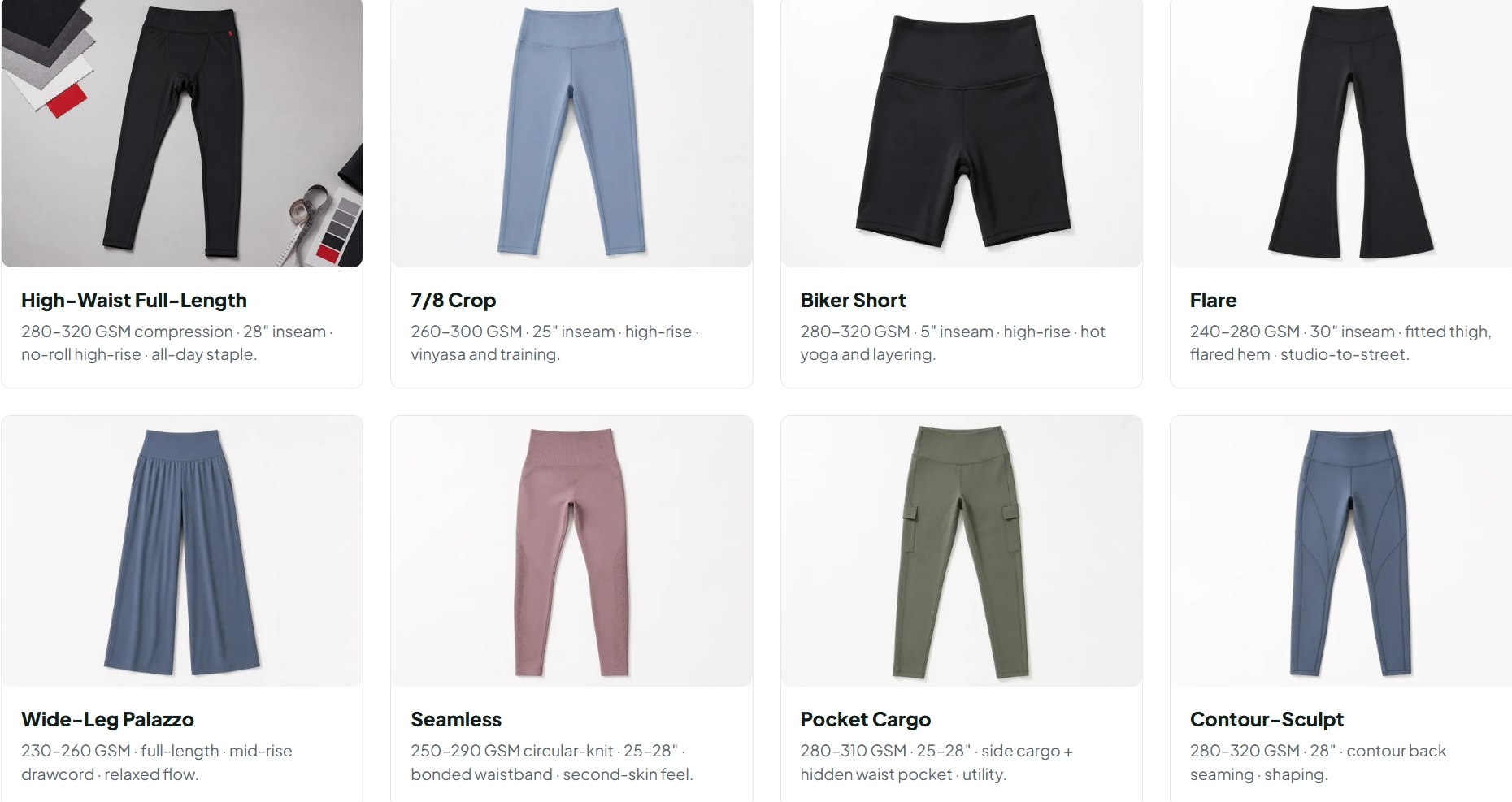
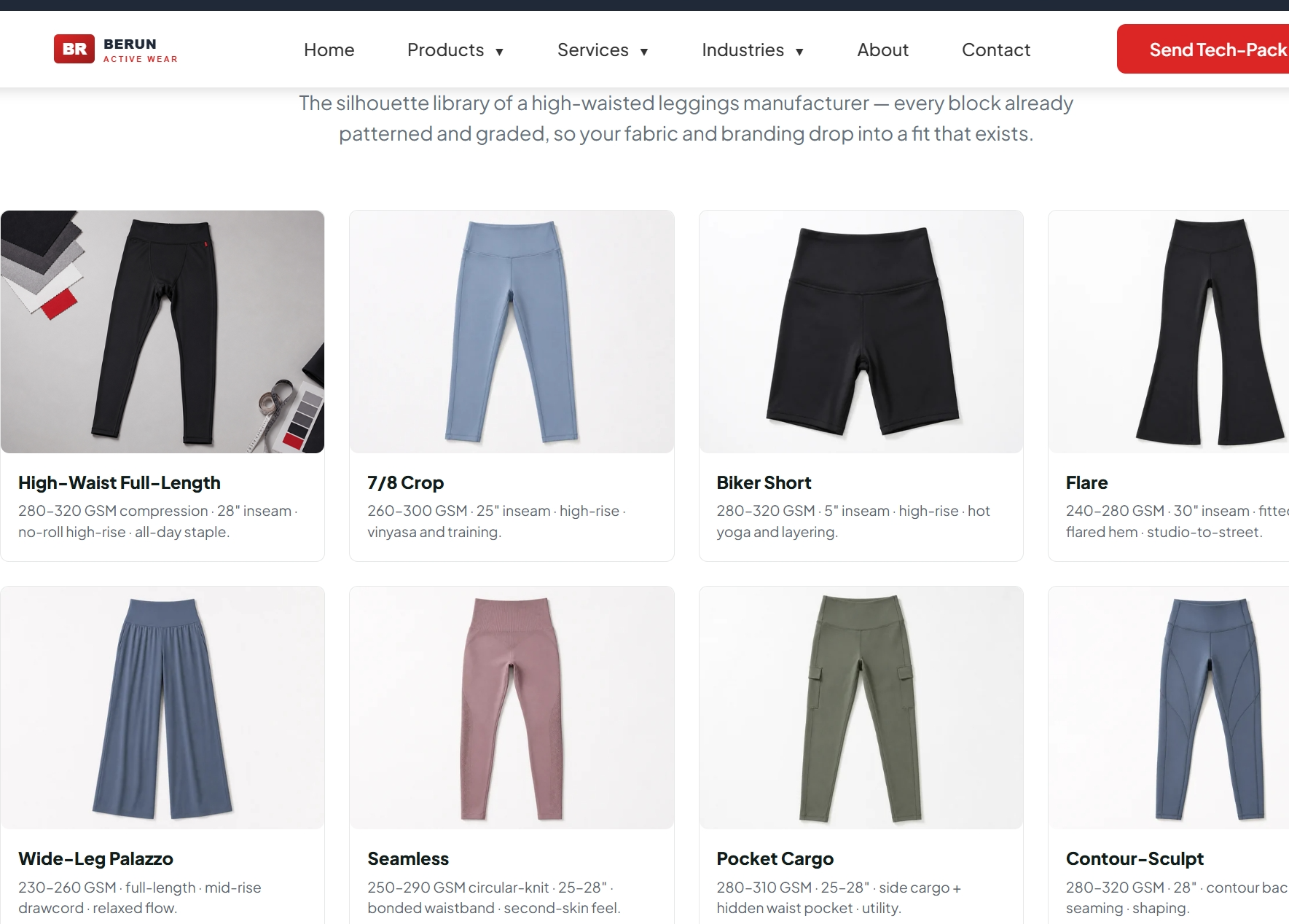
Yoga Pants Factories design for a specific body moving through a specific activity, at a specific intensity level. Skip this step, and you'll end up with a generic legging that does nothing exceptionally well.
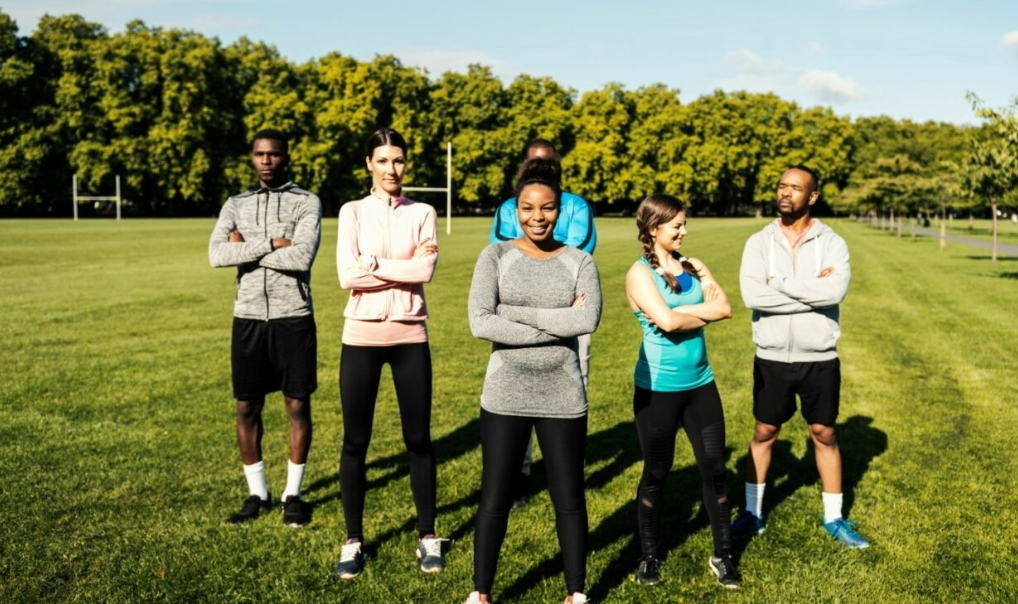
Before you touch a spec sheet, get specific about two things. First, decide on your body/fit profile. Are you designing for a curvier fit with more hip room, or a streamlined athletic cut? That determines your pattern grading from the start. Second, decide on your primary use case. Hot yoga sweats differently than a HIIT class. Running needs different compression than lounging. Each scenario demands different moisture wicking fabric properties, stretch recovery, and compression leggings design.
Think of it as a filter system. Hot yoga customers need lightweight, four-way stretch fabric around 180-220 GSM with maximum breathability. Gym-focused compression leggings often run heavier, 250-280 GSM, with higher spandex content (18-22%) for muscle support and squat-proof opacity.
Your use case also dictates design decisions for high-waisted yoga pants. You choose wide, non-roll waistbands for yoga or firmer compression bands for training.
Nail this fit-and-function profile first. Every fabric, stitch, and pattern decision downstream depends on it.
Select the Fabric Blend and GSM That Match Your Price & Performance Tier
Fabric weight can separate cheap-looking leggings from ones that feel great against your skin.
For yoga pants, the industry splits into two zones. Mid-tier leggings run 200-260 GSM in a nylon/spandex or polyester/spandex blend. That's your workhorse range—squat-proof, opaque, with good stretch recovery. Premium compression leggings go up to 220-280 GSM with higher elastane percentages, giving serious athletes a second-skin, medical-grade compression feel.
One number to keep in mind: every 25% increase in GSM typically raises your fabric cost by 20-25%, assuming the fiber content stays the same. Jumping from 200 GSM to 250 GSM is a real line-item decision, not a small tweak.
Sustainable activewear options (recycled nylon, bamboo-blend spandex) sit at similar GSM ranges but cost more, and that's worth communicating to your buyers. Choose your GSM based on where you want to compete, not just how a swatch feels in your hand.
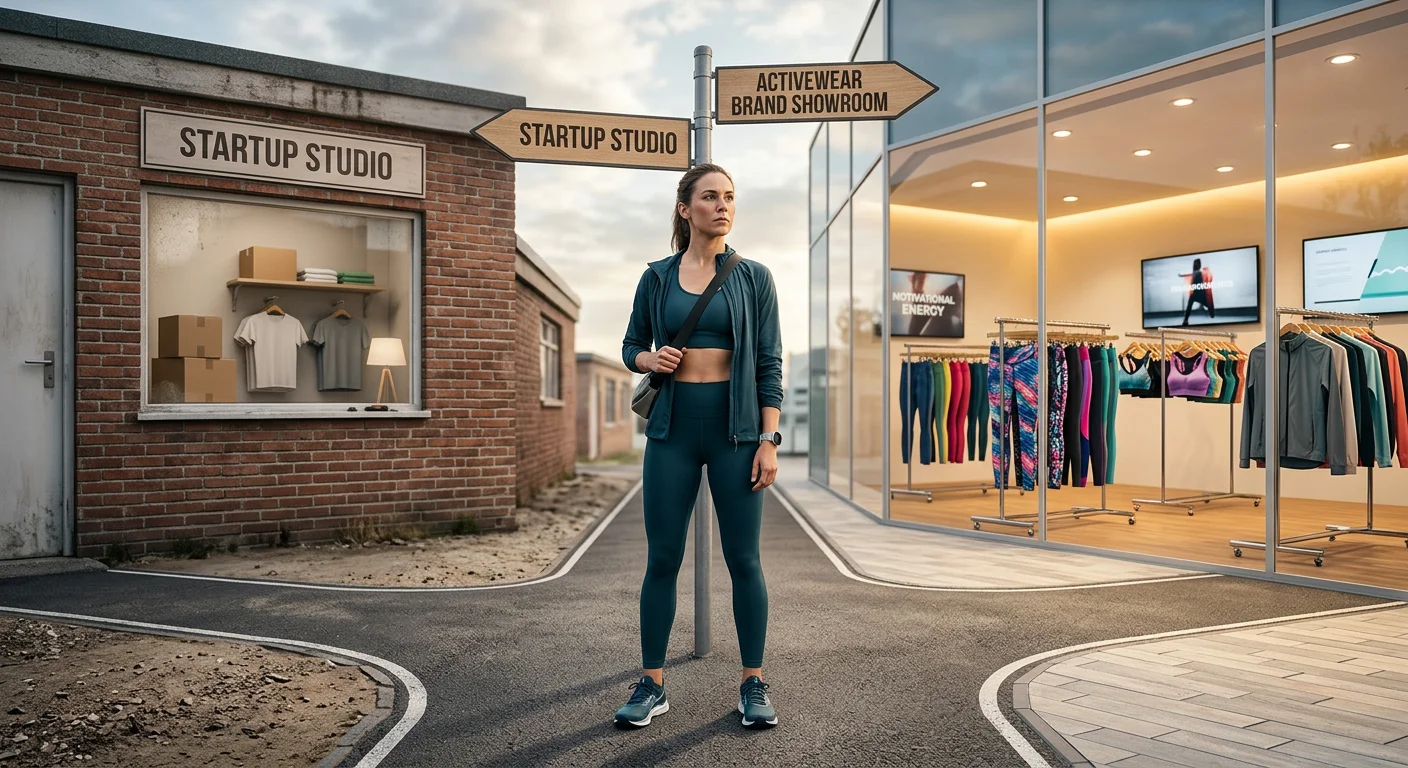
Decide: Private-Label vs. Full OEM/ODM
Your budget and timeline should decide your business model.
Private-label means you take the factory's existing pattern and slap your logo, labels, and packaging on it. That's it. MOQ runs 100-300 units (sometimes 300 pcs flat), development takes just 1-2 weeks, and you're in for $500-$2,000. Perfect for testing the market fast.
ODM is the middle ground. The factory hands you a base design, and you tweak materials, colorways, trims, or prints. Expect 50-300 unit MOQs, 2-6 weeks development, and $500-$5,000 invested.
OEM is full custom—you bring the tech pack and pattern, they build it exactly to spec. MOQs jump to 500-2,000+ units, timelines stretch 3-6 months, and budgets run $5,000-$50,000+.
Private-label puts your brand on their product; ODM yoga pants services modifies their base; OEM yoga pants services builds your design from scratch.
Before signing anything, get in writing who owns the pattern and whether your style is exclusive to you.
Prepare the Tech Pack: Exactly What the Factory Needs to Start Sewing
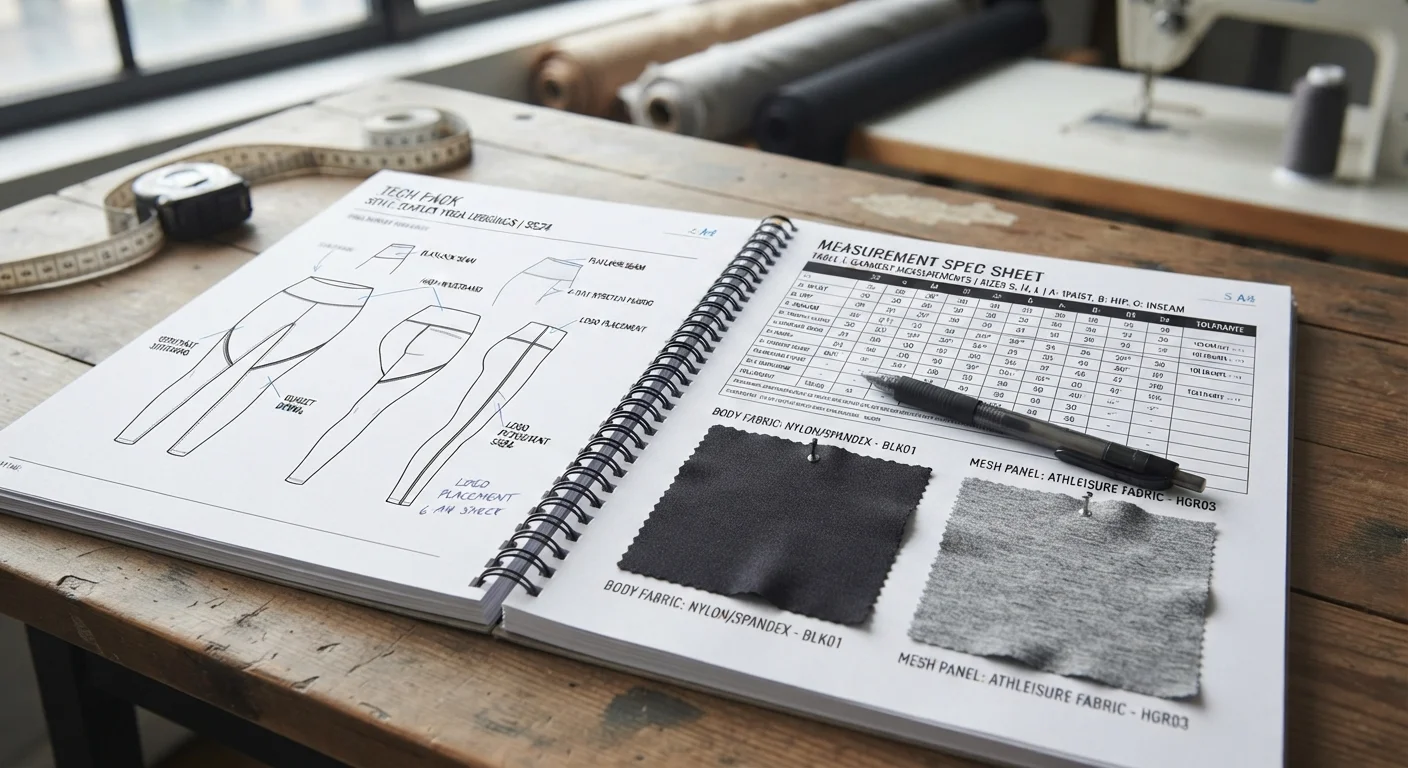
A factory can't read your mind, and they definitely can't sew from a Pinterest board. Your tech pack is the one document that turns "I want cute leggings" into a garment that actually gets made correctly the first time.
What goes in it, non-negotiable:
Style header : style number, base sample size, target FOB cost, MOQ.
Technical flat sketches : front/back, vector, black-and-white, with every seam and stitch line labeled for your activewear pattern making.
Color CADs : one for each colorway, with Pantone codes for fabric, trim, and thread.
Custom logo yoga pants placement : exact position (e.g., "left hip, 6cm from waistband"), print size, and technique (screen print vs. embroidery).
BOM (Bill of Materials) : every fabric, elastic, and label with composition, width, and quantity per garment.
Spec sheet : Points of Measure (waist, rise, inseam) with tolerance ranges, typically ±0.5–1.0cm for knits.
Graded measurements : full size chart, XS through XL, so bulk production doesn't stall.
On stitching techniques , spell out your seam type per section: "Side seams: 4-thread overlock, 10-12 SPI" and "Waistband: coverstitch, non-roll elastic insert." Vague instructions like "sew nicely" get you sloppy leggings.
Skip any of this, and you're inviting 3-4 rounds of sample corrections. Nail it upfront, and your first sample arrives actually wearable.
The Five Stitching Techniques That Separate Good Yoga Pants from Bad Ones
Your fabric can be flawless, and the leggings will still feel cheap if the stitching is wrong. Stitching is where "looks great in the photo" either becomes "feels amazing on the body" or turns into customer returns. Five techniques handle that.
Flatlock seams: your inseams, outseams, and crotch seams. 4-thread or 6-thread flatlock, seam width around 6mm, lies flush against skin to kill chafing. It should stretch 150-200% without cracking.
Overlock/serger seams: used on interior seams that don't touch skin, like the gusset or inside waistband. Specify 4-thread safety overlock, stitch length 2.5-3mm, minimum 10-12kg pull strength before failure.
Coverstitch hems: that signature double-row look on ankle openings and waistbands. Standard hem depth is 2cm, rows spaced 3-5mm apart, with zero tunneling or puckering.
Stretch zigzag/twin-needle topstitching: reinforces knit seams where regular lockstitch would snap. Width 2mm, must survive 130-150% stretch without popping.
Bartack reinforcement is applied at waistband corners, drawstring eyelets, and gusset tips. Spec 10mm long, minimum 30 stitches per bar.
Send your factory these five specs by name, and you'll skip weeks of guessing.
Set Logo Placement, Size, and Material for Maximum Brand Impact
A logo that's too small gets ignored. Too big, and it screams "cheap dropshipper." There's a sweet spot, and factories already know the math—you just need to hand them the numbers.
For left-hip placement (the most common spot on yoga pants), position your custom logo yoga pants mark 3-4 inches below the waistband, centered on the hip panel. Keep width at 3-4 inches max—anything larger throws off the garment's proportions. For women's-fit leggings, factories typically raise placement about 1 inch higher than a unisex spec to account for body contours.
Material choice depends on size. Small logos (under 2 inches) work best as heat transfer or embroidery—screen printing tends to fill in fine details at that scale. Embroidery needs a minimum stitch thickness of 0.7-1mm to stay crisp and avoid puckering on stretch fabric.
On the waistband itself , keep text height at least 0.3 inches tall for legibility. Specify placement in your tech pack down to the centimeter—"left hip, 6cm from waistband seam" leaves zero room for factory interpretation.
Understand MOQ and Negotiate a Starter Order Without Over‑committing
MOQ is a starting point for negotiation. You can push for a lower number.
Factories set MOQ high because of setup time, labor efficiency, and material supplier minimums. Some factories set MOQ by units, others by total order value across SKUs—ask which type you’re dealing with before you panic.
First, ask why the MOQ is high before asking for a lower one. Then propose a starter order at 50-70% of standard MOQ, and offer something in return:
Accept 10-20% higher unit pricing
Pay 100% upfront instead of a split deposit
Commit to a larger second order within 90 days
Use stock trims and standard colorways to skip one-off setup costs
If a supplier’s MOQ sits at 500 units, ask for 250-350 paired with higher pricing and a written reorder commitment. If fabric minimums are the real constraint, offer to buy the full material lot upfront but request a partial production run now.
Share real forecasts. Private label Yoga pants Suppliers extend flexibility to buyers who show up prepared.
Order Samples and Execute a Structured Fit‑Test Before Bulk Production
One approved sample stands between you and a warehouse full of unsellable inventory. Skip this step, and you're gambling with your entire budget on a hunch.
Reputable factories won't move to bulk without a pre-production sample signed off first, and neither should you. Run your samples through a stage-gated sequence: prototype (validates construction), fit sample (validates measurements and drape using near-final fabric), size-set sample (validates fit across your full range), then PP sample (final approval on actual bulk materials and production-line methods). Skip a stage, and you inherit its risk.
Order 1-5 units per stage (2-5 is standard for thorough testing). Send your tech pack, fit priorities, target sizes, fabric/trim plan, and intended bulk quantity so the factory knows your priorities.
Timing: proto and fit samples run 7-14 days at 2-3x unit cost. PP samples take 10-14 days, same cost multiplier. No stocked fabric? Add 2-4 weeks for sourcing before sampling even starts.
Use Measurable Benchmarks
Measure everything against your spec sheet. Use concrete benchmarks: GSM tolerance ±5 g/m², shrinkage max 3%, colorfastness Grade 4-5, measurement tolerance ±0.5-1.0cm. Then move the garment: sit, reach, squat, walk. Wash and remeasure against a 3-5% shrinkage ceiling. Stretch to 50% elongation, hold 5 seconds, release, wait 30 seconds, remeasure.
Only approve the PP sample once fabric, GSM, trims, and finishing match bulk-intent exactly. Then keep it as your factory-floor QC reference. Skip this discipline, and late fit errors can turn 20-50% of your production run into unsaleable stock.
Confirm Color Customization and Pantone Matching Protocol
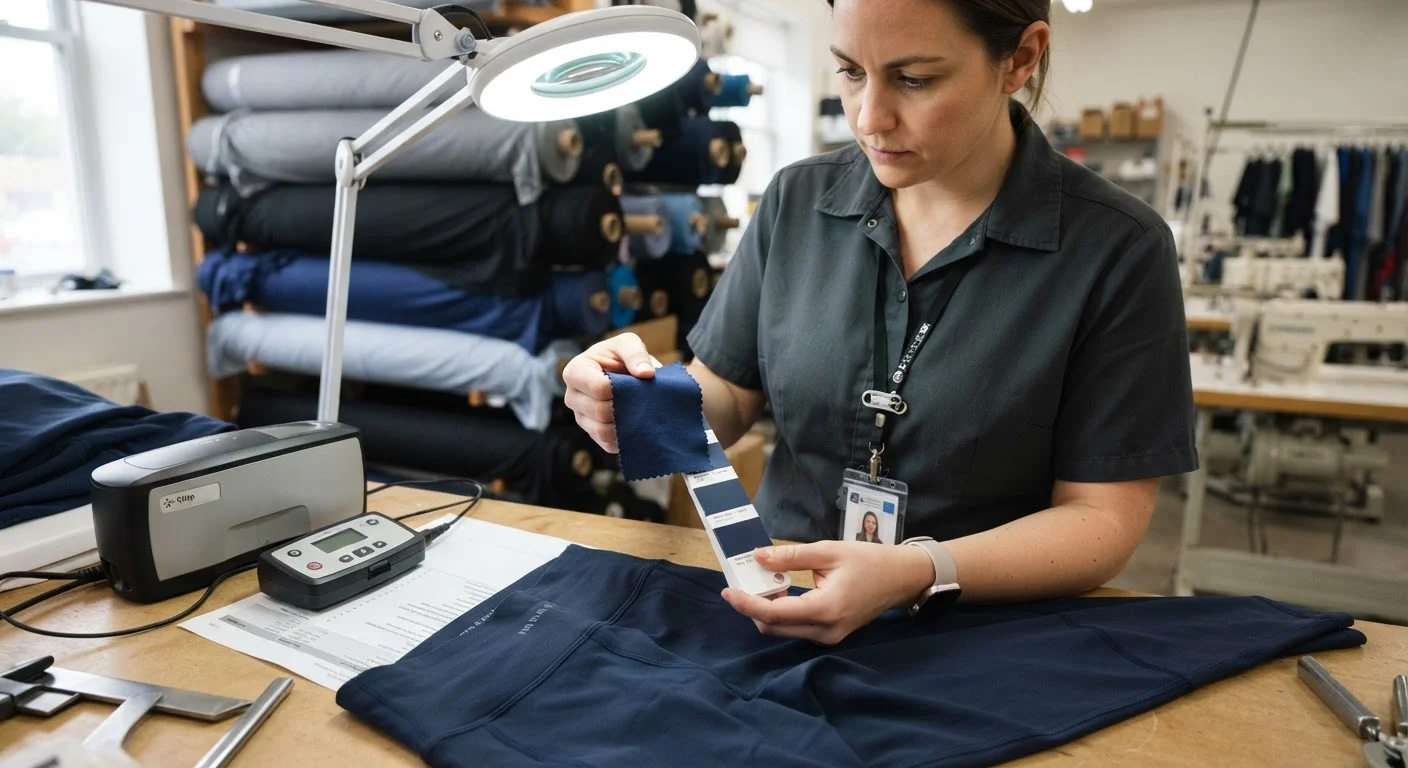
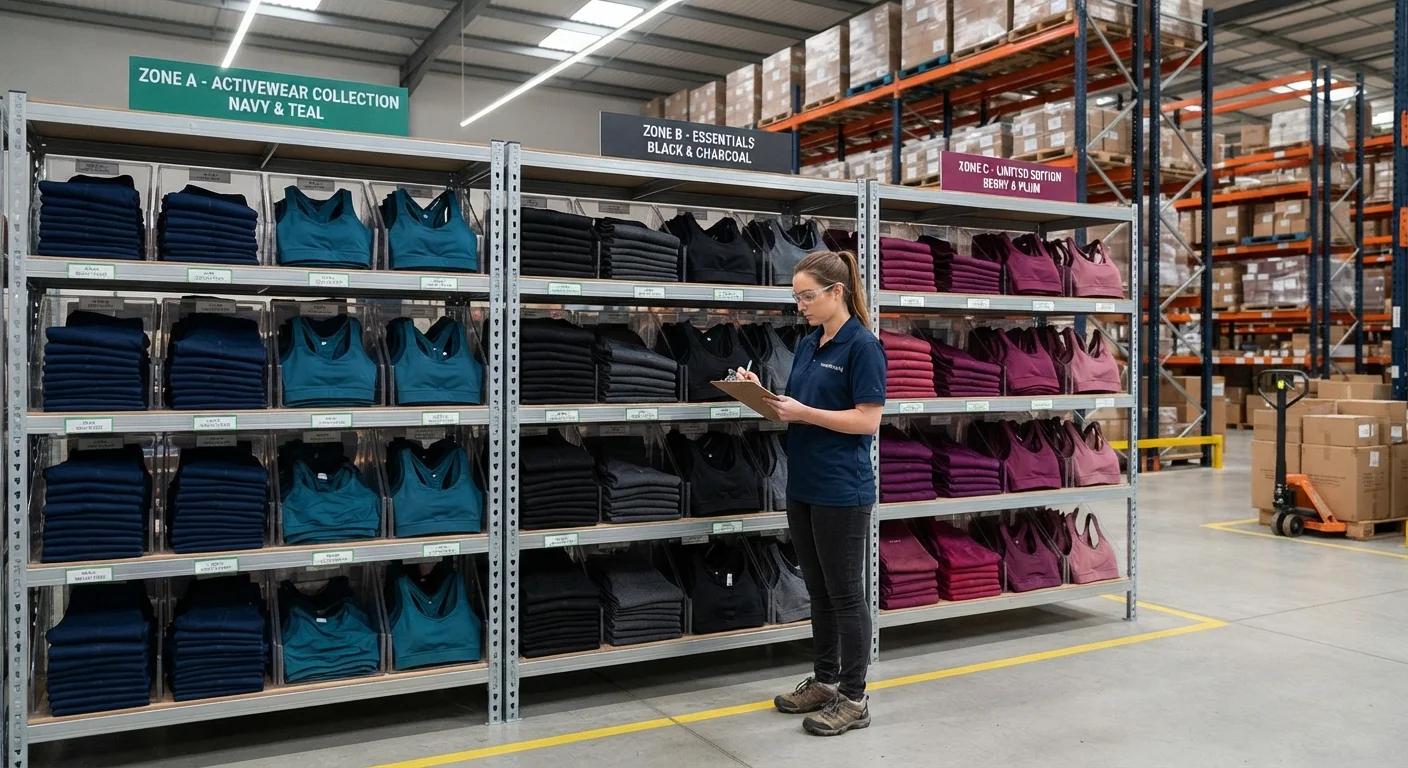
Navy blue means something different to everyone in the room. Your factory needs a number.
Give your supplier the full Pantone code plus suffix (PMS 375 C, not just "375"). Coated versus uncoated finishes shift how a color reads, so the suffix isn’t optional. If you only have a HEX code from your logo file, run it through Pantone Color Bridge first. Digital-to-Pantone conversions give you a nearest match, never exact, so confirm on a physical proof before locking anything in.
Never approve colors from a phone screen. Uncalibrated monitors lie. Request a physical proof on actual fabric, compare it under daylight, and measure it with a spectrophotometer if you're chasing brand-critical consistency – tolerance should sit around ΔE ≤2. Document the approved Pantone code, batch, and date. That becomes your master reference for every reorder.
Final Communication Template: One Email That Covers Everything
You don't need five emails to sound professional. One good one does the job.
Copy this structure, plug in your specs, and send it.
Subject: Development Package & Order Confirmation – [Your Brand] Yoga Pants
Body:
Fabric: [Nylon/spandex blend], [GSM range], moisture wicking, four-way stretch
Fit/Use Case: [Hot yoga / compression training], target size range XS-XL
Stitching: Side seams 4-thread flatlock, waistband coverstitch with non-roll elastic
Logo: [Embroidery/screen print], left hip placement, 6cm from waistband seam
Color: Pantone [code + suffix], physical proof required before bulk
MOQ/Order: Starter order [X units], reorder commitment within 90 days
Samples requested: Fit sample, size-set sample, PP sample; timeline confirmation needed
Attachments: Tech pack, spec sheet, color CADs, BOM
Close with your deadline for reply and your direct contact info. One email, zero guesswork, and sample production starts immediately.
Conclusion
The gap between "I have an idea" and "I have inventory" is specificity. Nail your yoga pants fabric GSM and Lycra ratio, lock in your stitching specs, and decide exactly where that custom yoga clothing logo goes. You stop guessing. You start directing.
That single email template we built turns a messy back-and-forth into one clear conversation. It tells factories you're not a rookie they can upsell or slow-walk. Confident buyers get faster samples, better MOQ terms, and fewer costly revisions.
Pull your tech pack together, attach your Pantone codes, and hit send today. Your first sample could be in production before your competitors finish their brand strategy deck.