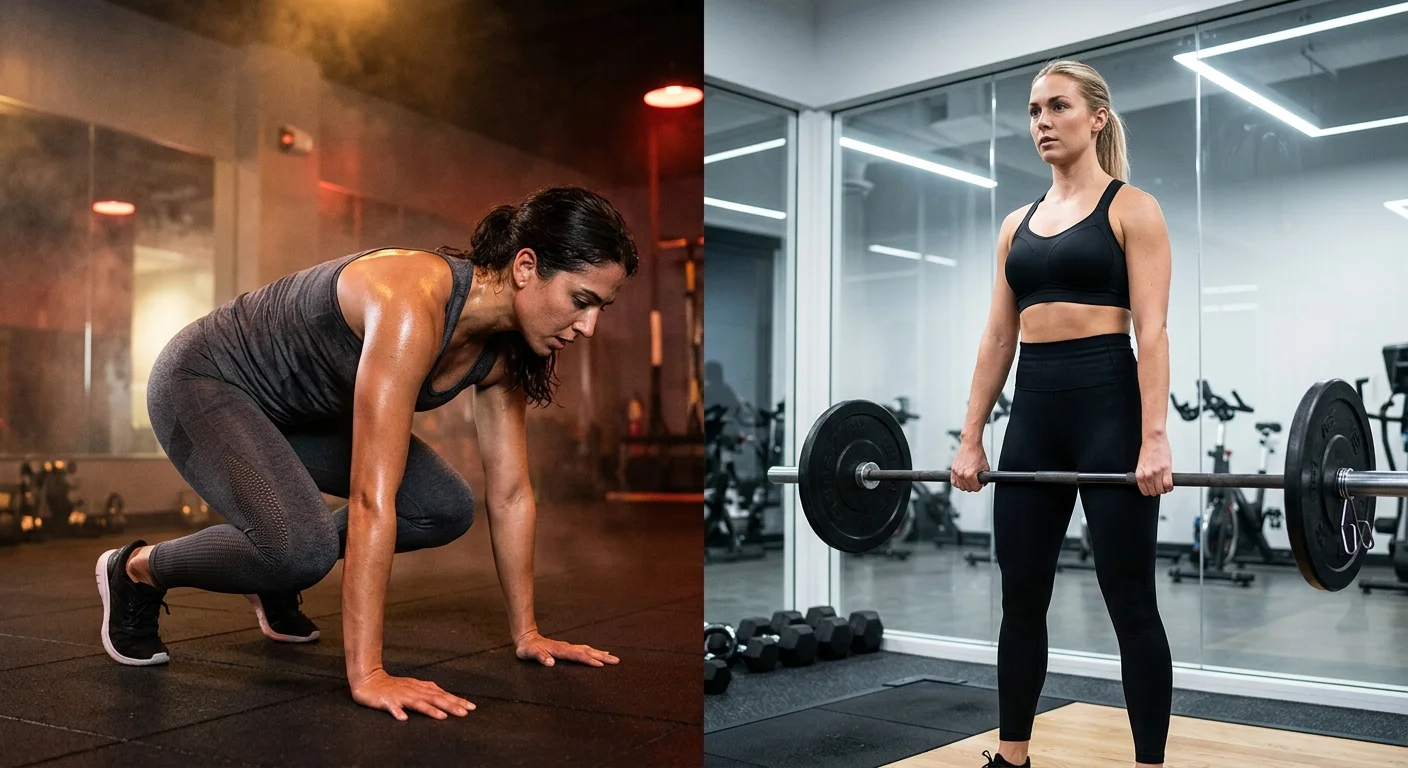
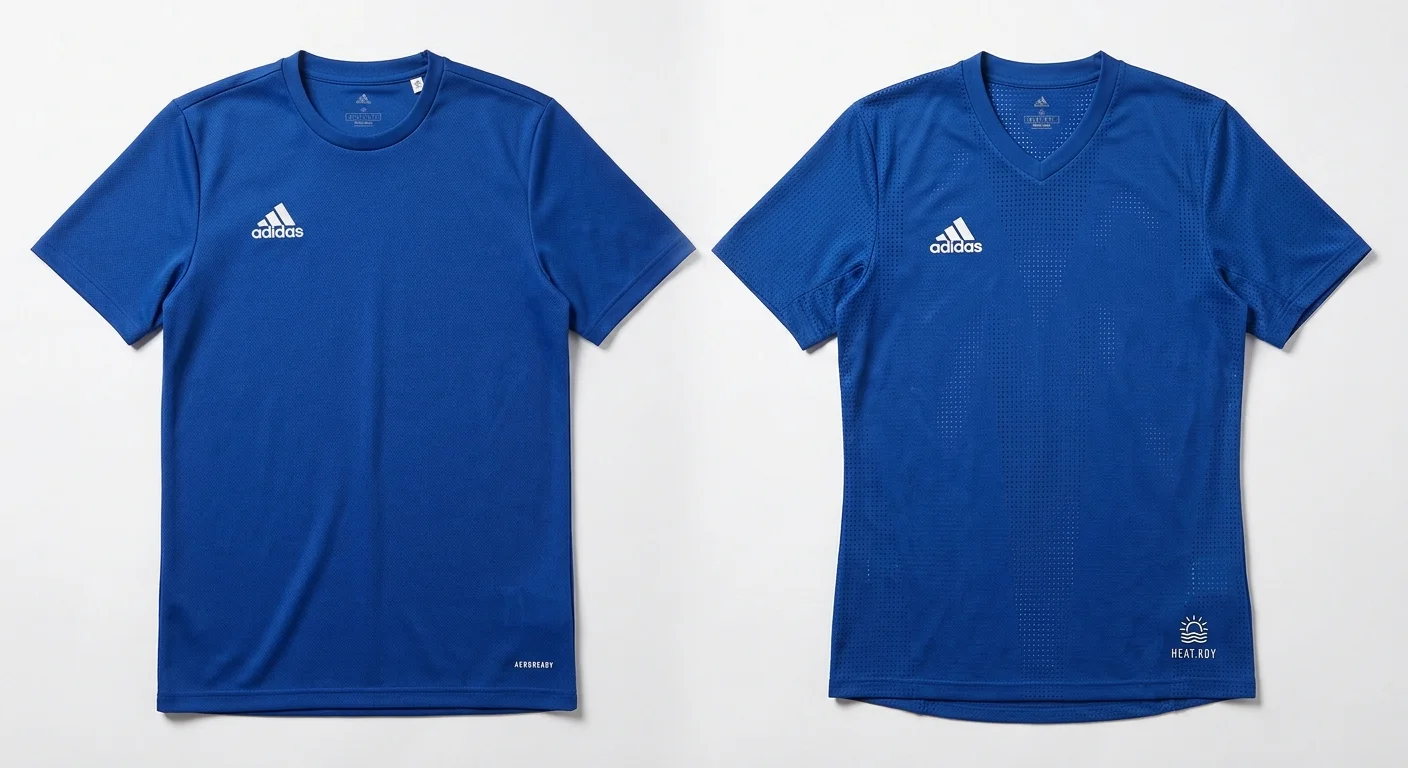
Picking the wrong base layer mid-workout isn't just uncomfortable — it kills your performance. Yet thousands of athletes grab whichever Under Armour shirt looks good without knowing the core engineering difference between HeatGear and ColdGear.
Here's what separates them:
HeatGear pulls sweat away from your skin and keeps you cool. It works best above 75°F.
ColdGear uses a dual-layer thermal system to trap body heat. It protects your training in cold conditions.
These two are not interchangeable. Wearing the wrong one for your conditions means losing real performance. By the end of this guide, you'll know which collection fits your climate, your sport, and your budget.Many brands developing custom compression base layer collections work with an experienced manufacturer to match fabric performance to different climates.
HeatGear vs ColdGear: Fabric & Construction Head-to-Head Comparison
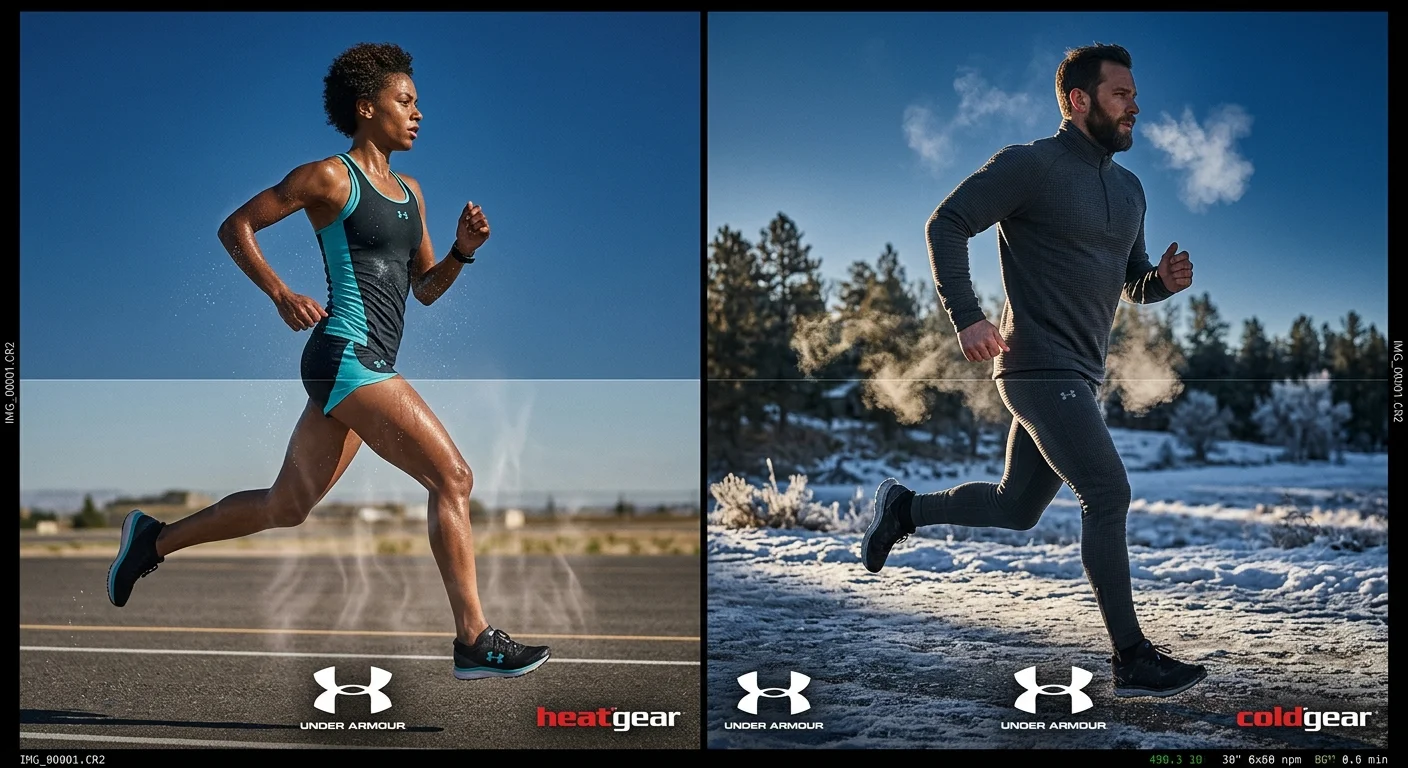
The engineering gap between these two collections is bigger than most athletes expect. Once you see how they're built, picking the right one becomes obvious.
Here's what's actually going on at the fabric level.
How Each Fabric Is Built
HeatGear is thin and light by design. The fabric focuses on two things: moving air and pulling sweat away. It draws moisture off your skin and pushes it outward so it can evaporate fast. Low GSM (grams per square meter), minimal layering, and a stretchy construction give it that second-skin feel athletes connect with Under Armour's moisture-wicking technology. Training hard above 75°F (24°C)? That lightweight build is doing real work on your body temperature.
ColdGear takes the opposite approach. It's thicker, with a dual-layer construction that uses either a brushed inner surface or a waffle-like knit pattern. That inner texture creates tiny air pockets between your skin and the fabric. Those air pockets are the real insulation engine. Your body heat stays trapped and recirculates instead of escaping. That's what separates ColdGear's thermal insulation from just "wearing more layers" — the structure itself holds heat in place.OEM services for custom compression base layer products often focus on fabric structure and thermal performance.
The Key Differences at a Glance
Spec | HeatGear | ColdGear |
|---|---|---|
Construction | Single layer, thin | Dual layer, thicker |
Inner surface texture | Smooth | Brushed or waffle knit |
Breathability | High | Moderate |
Drying speed | Fast | Slower |
Stretch & elasticity | More consistent, freer | Varies by sub-series |
Best temperature range | 75°F+ (24°C+) | Below 55°F (13°C) |
Primary function | Cool & wick | Insulate & protect |
What This Means For Your Performance
Both collections work as performance base layers . Both regulate body temperature and manage moisture. That's the shared foundation. But their construction goals pull in opposite directions.
HeatGear's lighter build suits frequent high-sweat sessions . Fast drying keeps you comfortable through intense training. ColdGear's thicker, textured interior is built for heat retention . Ventilation takes a back seat — staying warm is the priority.
The practical rule: match the fabric to your training environment. The label alone won't tell you that.
Performance in Hot & Humid Conditions (75°F / 24°C and Above): HeatGear Wins
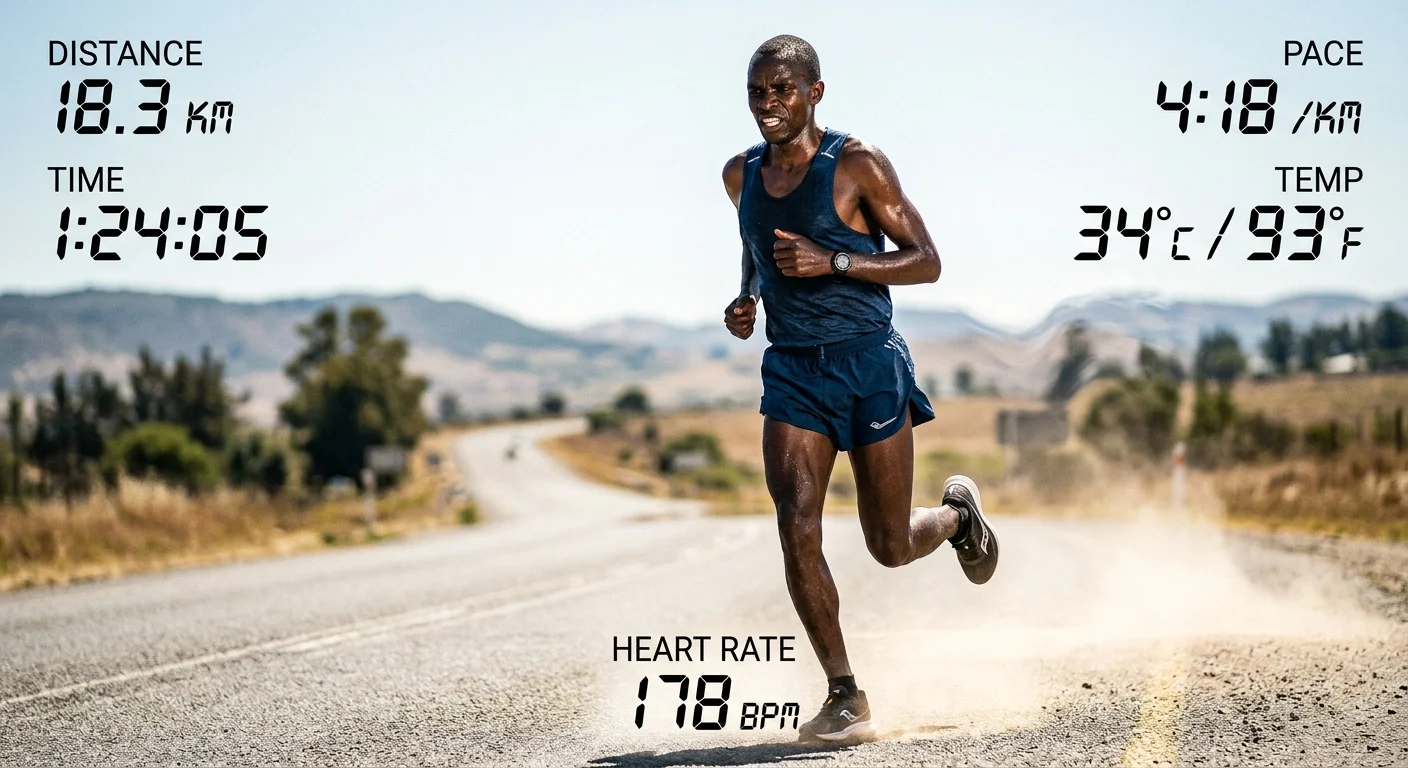
Heat doesn't just make you uncomfortable — it kills your performance. Research shows runners lose 20–30 seconds per mile for every 5°F rise above 60°F . So jumping from 75°F to 85°F can cost you 40–60 seconds per mile if your gear can't move heat away from your body. That's not a minor inconvenience. That's the gap between hitting your target pace and blowing up completely.
HeatGear was built to fight that loss head-on.
How HeatGear Controls Your Temperature
The cooling system works on two levels at once.
First, the featherweight, low-mass fabric cuts down on insulation. Heat rolls off your skin instead of getting trapped. Second, the moisture-transport system pulls sweat off your skin and pushes it to the outer fabric layer , where it spreads and evaporates fast. That evaporative cooling is what holds down your core temperature during hard efforts in hot, humid air.
At a heat index of 95°F with 50% humidity , the "feels like" temperature hits ~107°F . Cross a dew point of 65°F and moisture in the air gets heavy — evaporation slows down, and your body's natural cooling starts losing ground. HeatGear's high-breathability build keeps that evaporation window open as long as possible. You get less cardiovascular strain and lower perceived effort at the same output level.Wholesale custom compression base layer programs usually offer multiple GSM options for different training environments.
Sport-by-Sport Breakdown
Summer road running (75–90°F): Fast wicking and quick-dry fabric cut the heat-related pace penalty. Drier skin means evaporative cooling keeps working longer.
Outdoor ball sports (basketball, soccer): Lightweight fabric gets rid of that clinging, heavy feeling from sweat-soaked material. You stay loose and move freely across multi-hour sessions.
Gym HIIT or CrossFit in warm facilities: The fabric handles high sweat output without getting saturated. A drier zone around your torso lets you hold intensity without the drag of soaked fabric pulling you down.
What Happens If You Wear ColdGear Instead
This is where picking the wrong gear gets expensive. ColdGear's insulating structure is built to trap heat — the exact opposite of what your body needs above 75°F. In hot conditions, that insulation blocks heat from escaping, slows sweat evaporation, and pushes your core temperature up faster. The result: heavier fatigue, a higher heart rate at the same workload, and a real risk of heat cramps or exhaustion once the heat index pushes past 90°F.
The rule is simple: at or above 75°F with moderate-to-high humidity , go with HeatGear — short-sleeve or sleeveless, mesh-panel construction where you can get it. Leave ColdGear in the drawer. The difference between the two isn't small, and in the heat, you'll feel it fast.
Performance in Cold & Freezing Conditions (Below 55°F / 13°C): ColdGear Dominates
Cold doesn't just slow your pace. It shuts down muscle power, speeds up heat loss, and turns the wrong base layer into a liability.
Drop below 55°F (13°C) and the performance equation flips. Your body stops fighting to dump heat. Now it's fighting to keep it. ColdGear's dual-layer build is made for that fight. The brushed inner surface traps body heat in small air pockets. At the same time, it pulls sweat away from your skin. That combo — warmth retention plus active moisture transport — is what sets ColdGear apart from just stacking extra layers.
So why does moisture matter in the cold? Sweat-soaked fabric on your skin drains heat fast. Stop moving, and that wet layer chills you down quick. ColdGear cuts that risk by pulling moisture outward while keeping insulation in place.
Where ColdGear Wins by Sport
Winter running: Muscle output peaks between 40–70°F (4–20°C). Go below that, and poor insulation costs you power — not just comfort. ColdGear keeps your muscles in their ideal temperature range.
Outdoor field sports & training: Wind is the hidden factor most athletes miss. Wind chill below -18°F brings frostbite risk within 30 minutes on bare skin. Pair a ColdGear base layer with a wind-resistant outer shell, and you close that gap.
Skiing: Fast movement means constant wind exposure. ColdGear's thermal layer handles the steady heat loss that comes with high-speed runs.
The Cold-Weather Layering Setup That Works
Condition | Base Layer | Outer Layer |
|---|---|---|
40–55°F, dry | ColdGear alone | Optional light shell |
Below 40°F, windy | ColdGear base | Wind-resistant mid/outer layer |
Below freezing, wet | ColdGear base | Waterproof outer + dry backup layer |
One hard rule: below freezing, carry a dry backup layer. Wet fabric in freezing temps stops working — full stop.
HeatGear isn't built for this. In sub-55°F conditions, its thin single-layer design loses heat faster than your body can produce it.
The Gray Zone: Which Performs Better in Mild & Transitional Weather (55–75°F)?
Most gear guides skip this temperature band. That's a mistake. The 55–75°F range is where athletes make the most costly purchasing errors.
Neither collection owns this range outright. HeatGear's sweet spot starts at 75°F. ColdGear tops out around 55°F. The space in between is contested ground. The right answer comes down to two variables most people ignore: intensity and activity pattern .
Intensity Changes Everything
Take an outdoor temperature of 58°F. A runner pushing 80% max heart rate generates metabolic heat at 5–10x resting levels . Skin surface temperature climbs to 98–102°F. ColdGear's insulating structure — the same feature that saves you in January — now works against you. It traps heat your body is trying to release. Sweat builds up on your torso. By mile two, you're stuck in that miserable "hot and wet" feeling.
HeatGear in the same conditions? You'll feel a bit cool for the first 10 minutes. Your heart rate climbs. That lightweight Under Armour base layer fabric starts doing its job.
The quantified rule:
- Expected heart rate ≥ 70% HRmax for 30+ minutes → HeatGear base layer, even down to 55°F
- Expected heart rate ≤ 60% HRmax with long rest periods → ColdGear works down to 55°F; above 65°F, switch to HeatGear
The Layering System That Solves the Gray Zone
Don't choose just one. The top setup for transitional weather is a HeatGear compression base + lightweight wind shell (80–120 g/m²).
Here's why this combo beats single-layer ColdGear:
HeatGear handles moisture at skin level — sweat moves out, skin stays dry
The shell cuts wind chill and adds ~2–3°F of perceived warmth where you need it
Open the zipper as intensity spikes; close it during rest breaks
ColdGear in this same scenario pushes core temperature above the 100°F subjective threshold during hard efforts
Quick-Reference Decision Chart (55–75°F)
Temperature | High Intensity | Low Intensity / Long Rest |
|---|---|---|
55–60°F | HeatGear + light shell | ColdGear alone |
60–65°F | HeatGear alone (add shell if windy) | HeatGear + shell, or light ColdGear |
65–70°F | HeatGear — clear winner | HeatGear + removable layer |
70–75°F | HeatGear, no shell needed | HeatGear; ColdGear for cold-sensitive athletes |
One note on cold-weather training gear in gym settings: indoor facilities at 66–70°F feel warmer than outdoor air at the same temperature. There's zero wind inside. ColdGear at 68°F during an indoor HIIT session almost always leads to overheating before the second round ends.
Sport-Specific Recommendations: Which Gear Fits Your Training Style?
Your sport shapes your sweat rate, your movement pattern, and how much wind hits your body. Nail those variables, and the choice between HeatGear and ColdGear gets simple fast.
Here's how each training style lines up with the right collection.
Runners
Running burns more metabolic heat per minute than almost any other sport. So for runners, it's nearly always cooling first, warming second .
Above 60°F: HeatGear is the go-to. Lightweight fabric and fast moisture transport keep evaporative cooling active mile after mile.
40–60°F at high intensity (≥70% HRmax): Still go HeatGear. Your body puts out enough heat on its own — the base layer's job is to push sweat out, not trap warmth in.
Below 40°F: ColdGear base layer becomes essential. A rule most cold-weather runners follow: dress as if it's 10–15°F warmer than the actual temperature . Your body catches up within the first mile.
Below 5°F: ColdGear compression tights, long-sleeve thermal top, wind jacket, balaclava, and heated gloves. This isn't overkill — it's the bare minimum.
Soccer, Football & Field Sports
Field sport athletes don't run at a steady pace. They sprint, stop, collide, and rest — sometimes all within 30 seconds. That stop-start cycle creates a real problem: you sweat hard during effort, then cool down fast during rest breaks .
ColdGear handles this better in cold conditions. Its dual-layer build keeps muscles warm during sudden rest periods while still pulling sweat away from your skin. Stable muscle temperature means better explosive output on the next sprint. Cold muscles produce less power — plain and simple.
In warm-weather matches above 70°F, switch to HeatGear. Multi-hour sessions in the heat with sweat-soaked ColdGear fabric will drag your movement quality down by the second half. You'll feel the difference early.
Gym & HIIT Training
Indoor facilities cut out wind chill, and that changes the whole picture. A gym at 68°F feels warmer than outdoor air at the same temperature — and your body temperature climbs fast once intensity picks up.
For indoor HIIT, CrossFit, or circuit training:
HeatGear is the top choice , no matter the season outside
ColdGear at 68°F during a high-output session will push you into overheating before round two wraps up
For low-intensity strength training in a cold garage gym (below 55°F), ColdGear gives your muscles the warmup support they need before your body heat builds up
Winter Outdoor Sports & Cycling
Both of these categories share one rule that never changes: never wear cotton, and never skip the base layer .
For skiing, winter hiking, and cold-weather cycling, ColdGear acts as the performance base. It only does its job as part of a full layering system :
Layer | Function | Key Feature |
|---|---|---|
ColdGear base | Moisture transport + warmth | Brushed interior, fast-wicking |
Mid layer | Insulation | Lightweight fleece or thermal knit |
Outer shell | Wind/water protection | Packable, zip-ventilated |
Cyclists get a clear edge from ColdGear's snug fit under a windproof outer shell. High-speed descents mean constant wind exposure. ColdGear handles base-level heat loss while the shell cuts wind chill. Bring two sets of gloves on long winter rides: one for climbs (lighter), one for descents (heavier). Your hands and feet shed heat faster than your core does.
Matching Gear to Your Body Type
Your physiology matters just as much as your sport.
Heavy sweaters — no matter the temperature outside — should lean toward HeatGear or a lightweight ColdGear piece with zip ventilation. Wet fabric in freezing temperatures doesn't just feel bad. It speeds up heat loss and raises your risk of cold-related problems.
Cold-sensitive athletes should move to ColdGear one temperature tier earlier than the standard guide suggests. The guide says ColdGear below 55°F? Start at 60°F instead. Put on a balaclava and thermal socks before you think you need them. Your hands, feet, and head lose heat before your core even registers the cold.
The bottom line: your sport sets the sweat rate, your body sets the sensitivity, and the temperature sets the limit. Line up all three, and either HeatGear or ColdGear will do the job Under Armour built it to do.
Price, Value & Longevity: Is the Cost Difference Worth It?
The custom compression base layer price gap between these two collections is real. A lot of athletes don't see it coming.
ColdGear runs 40–80% more expensive than HeatGear across comparable styles. A men's HeatGear compression tee retails at $25–$35 . The ColdGear long-sleeve equivalent sits at $45–$60 . Compression tights follow the same pattern — HeatGear at $35–$45 , ColdGear at $55–$70 .
That gap isn't random. ColdGear uses heavier dual-layer fabric — 200–260 g/m² versus HeatGear's 120–160 g/m² . It also features brushed interiors. Select Infrared styles add a thermo-conductive print layer on top, which pushes compression base layer manufacturing costs higher. More material, more process, higher price tag.
Does the Longevity Math Work Out?
The numbers tell an interesting story. Take a $55 ColdGear long-sleeve worn 40 times per winter season across three seasons . That works out to about $0.46 per wear .
Now look at the HeatGear route. Pair a $35 HeatGear base with a $25 mid-layer to cover the warmth gap. That mid-layer wears out every two seasons. Over three seasons, your total cost climbs to ~$85 — or $0.71 per wear .
ColdGear's per-use cost runs ~35% lower for athletes training hard in the cold.
But this math only holds up at 30+ cold-weather sessions per year . Under 10 sessions per year? The price premium never pays off. HeatGear plus your existing warm layers wins on pure economics.
The Best Times to Buy
ColdGear: January–March clearance sales hit 20–40% off . Black Friday and holiday promotions push 30–50% off . At those price points, the ColdGear price premium shrinks to just +15–35% — making the upgrade much easier to justify.
HeatGear: Spring promotions (April–June) offer solid 20–30% discounts . The base price of Compression Base-Layer is already lower, so even a small discount adds up to real savings.
Target price benchmarks to save:
- ColdGear long-sleeve: $32–$40 on promotion
- ColdGear compression tights: $35–$45 on promotion
- HeatGear short-sleeve: below $25 is the sweet spot
The Bottom Line
Train outdoors in the cold at least 30 sessions a year? ColdGear is worth treating as a core multi-season investment. Buy it during January clearance or major sale events to get the best return.
Train in warm weather or mostly indoors? HeatGear's lower entry price gives you better value. Pair it with gear you already own for the occasional cold day, and you're set.
Quick Decision Guide: HeatGear or ColdGear — Choose in 60 Seconds
Stop overthinking it. Three things decide everything: temperature, intensity, and whether your body runs hot or cold.
Use this framework. You're done in under a minute.
Step 1 — Match Your Temperature
Temp Range | Default Choice |
|---|---|
75°F+ (24°C+) | HeatGear — no debate |
55–75°F (13–24°C) | HeatGear at high intensity; layer up at low intensity |
Below 55°F (13°C) | ColdGear takes over |
Step 2 — Adjust for Intensity
Hard training builds a lot of body heat. It can push your felt temperature 10–15°F above the actual air temp. Running hard at 58°F? Your body feels like it's 70°F. Go HeatGear.
Low-intensity session with long rest breaks at that same temp? Your muscles cool down fast. ColdGear stops them from stiffening up between efforts.
Step 3 — Fine-Tune for Your Body
Run hot / sweat a lot: Drop your ColdGear threshold by 5°F. You don't need it as soon as the chart shows.
Always cold / slow to warm up: Flip that — grab ColdGear one temperature tier sooner than the guide says.
The One-Line Formula Worth Memorizing
Hot weather, stay dry → HeatGear. Cold weather, stay warm → ColdGear. Not sure? Your sweat rate decides.
Conclusion
Choosing between Under Armour HeatGear and ColdGear isn't complicated. You just need to answer one honest question: What does your body need when the temperature works against you?
HeatGear's moisture-wicking technology keeps you cool and dry in the heat. ColdGear's thermal insulation holds the cold back so your training doesn't stop. Two different problems. Two purpose-built solutions. Neither one is "better" — the right one is the one that fits your conditions.
Great athletes don't leave performance to chance. That's what sets them apart. The right Under Armour base layer fabric is a small investment. You feel it in every rep, every mile, every session where your gear works with you — not against you.
Stop guessing. Use the 60-second decision guide above.Private label custom compression base layer collections can also be tailored for specific sports and weather conditions. Pick your collection. Get back to what matters most — training harder and recovering smarter.