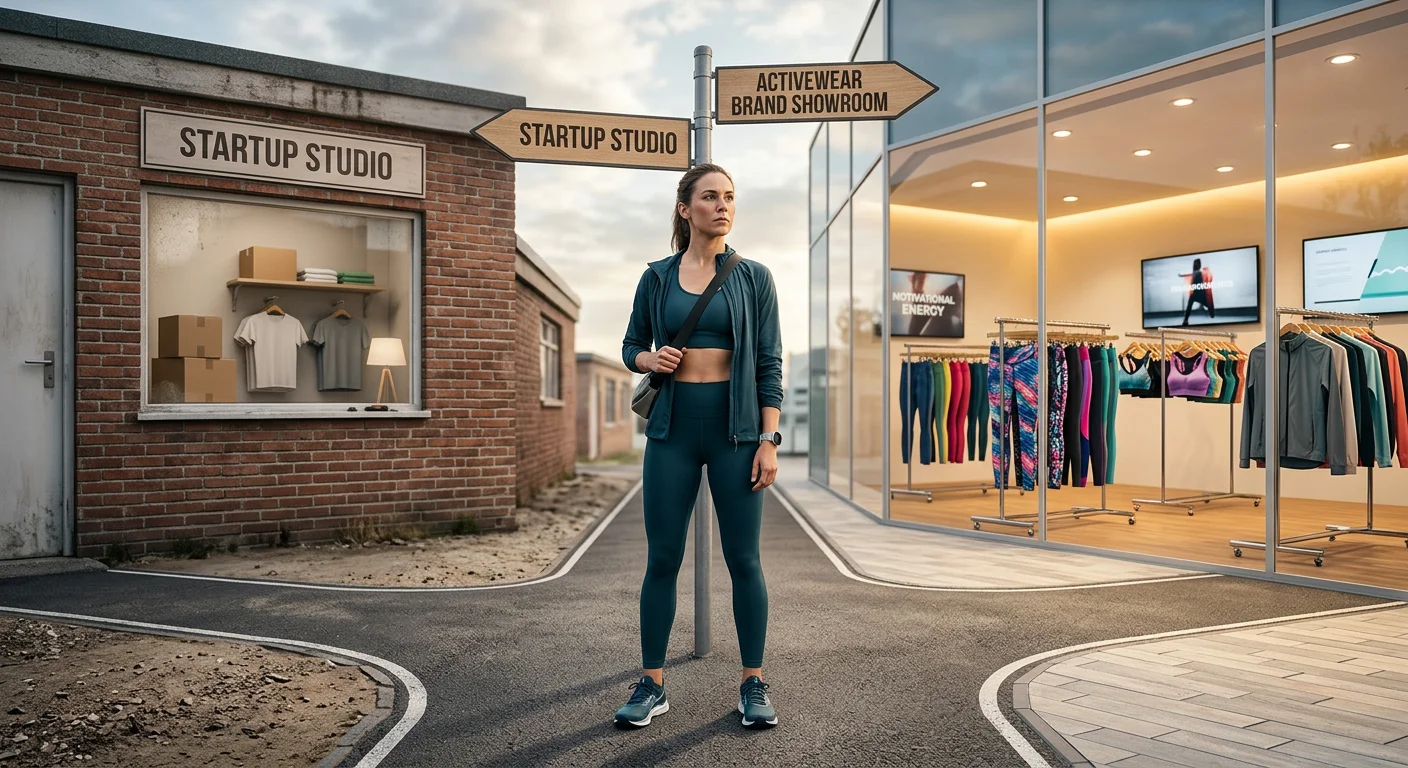
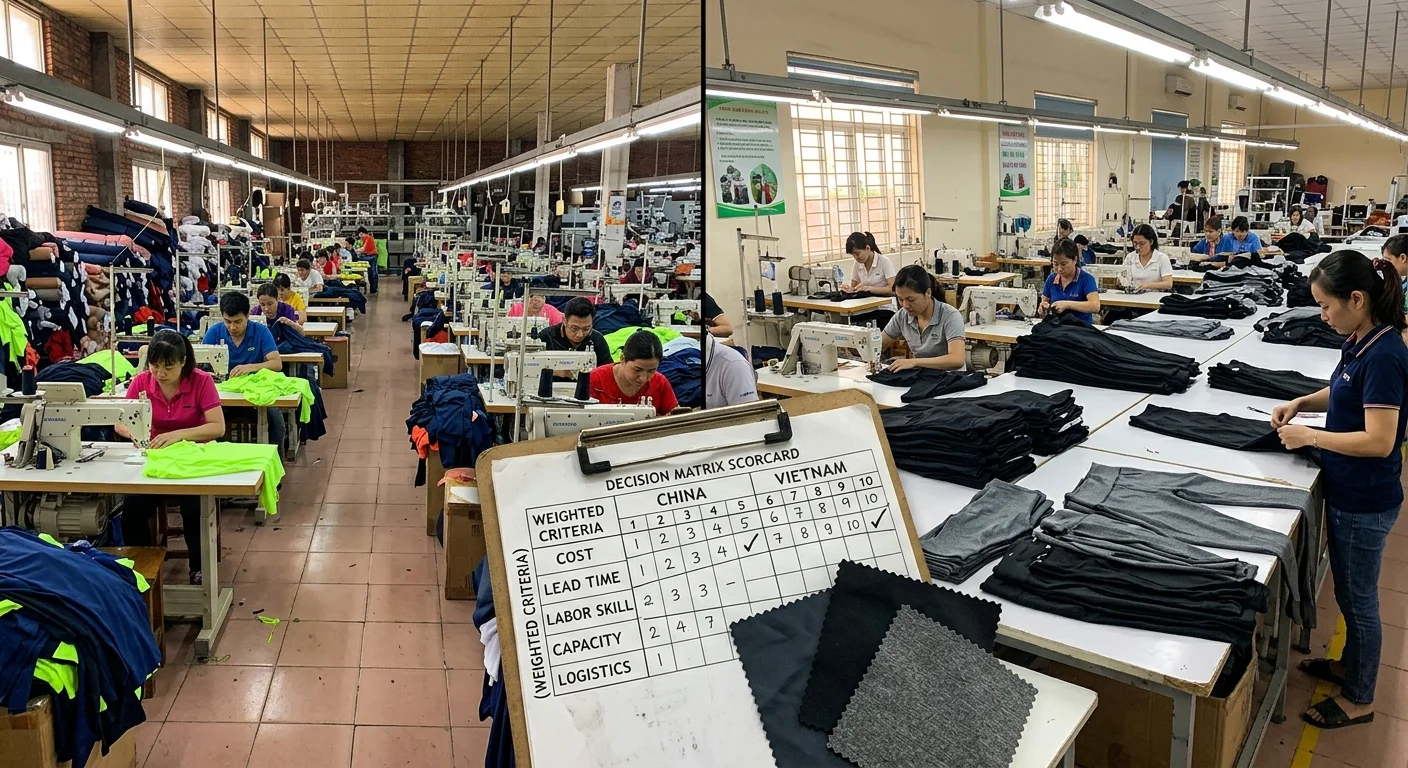
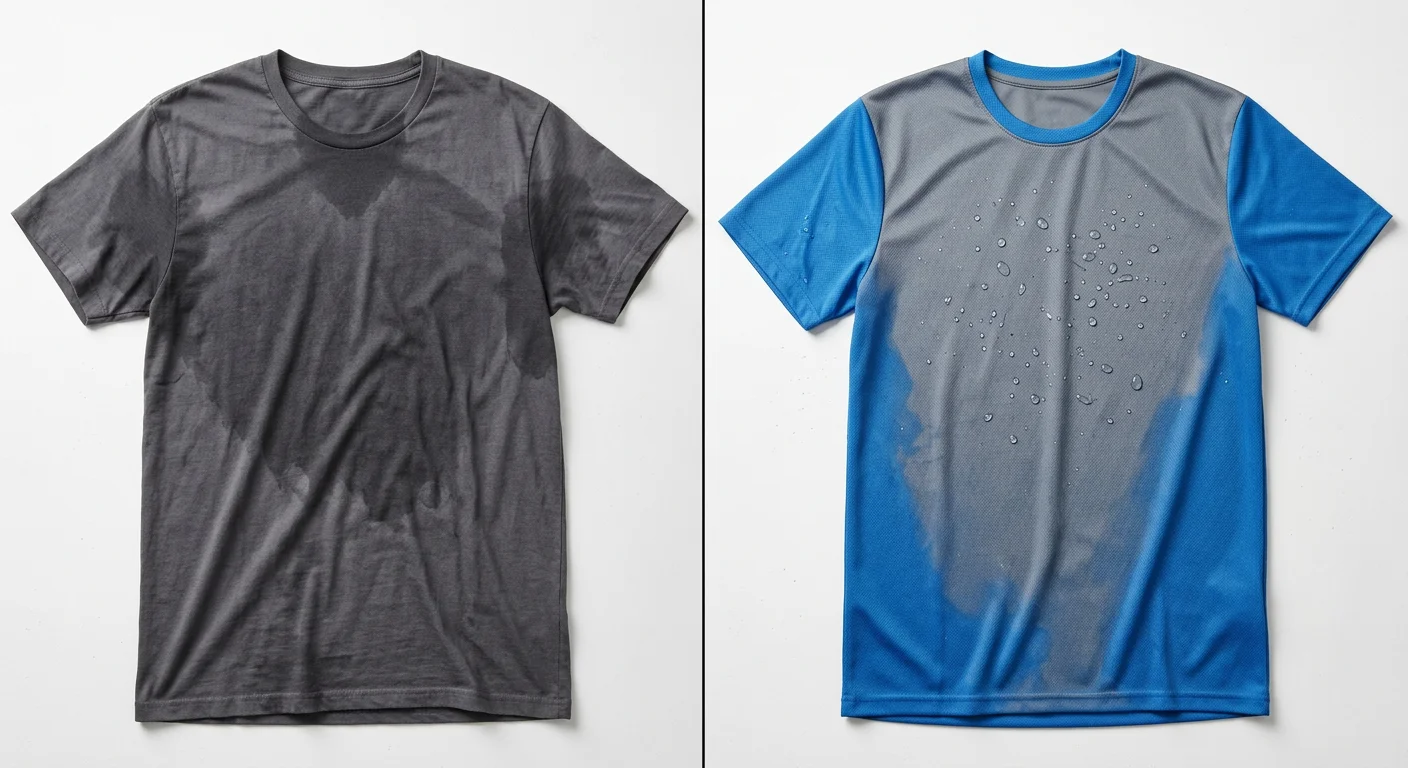
Pick the wrong supplier and your sportswear brand can fail before it gets started. Most founders don't catch the mistake until they're staring at delayed shipments, inflated unit costs, or samples that look nothing like what they approved.
The choice between a sportswear factory and a trading company is not just a logistics call. It's a strategic decision. It shapes your margins, your quality control, and how fast you can scale.
Both models have a place in the sportswear supply chain — but they are not interchangeable. The wrong fit at the wrong stage costs more than money.
This guide breaks down every critical variable. It cuts through the industry smoke screens and gives you a clear framework to make the right call for where your brand stands right now.
Sportswear Factory vs. Trading Company: Side-by-Side Comparison
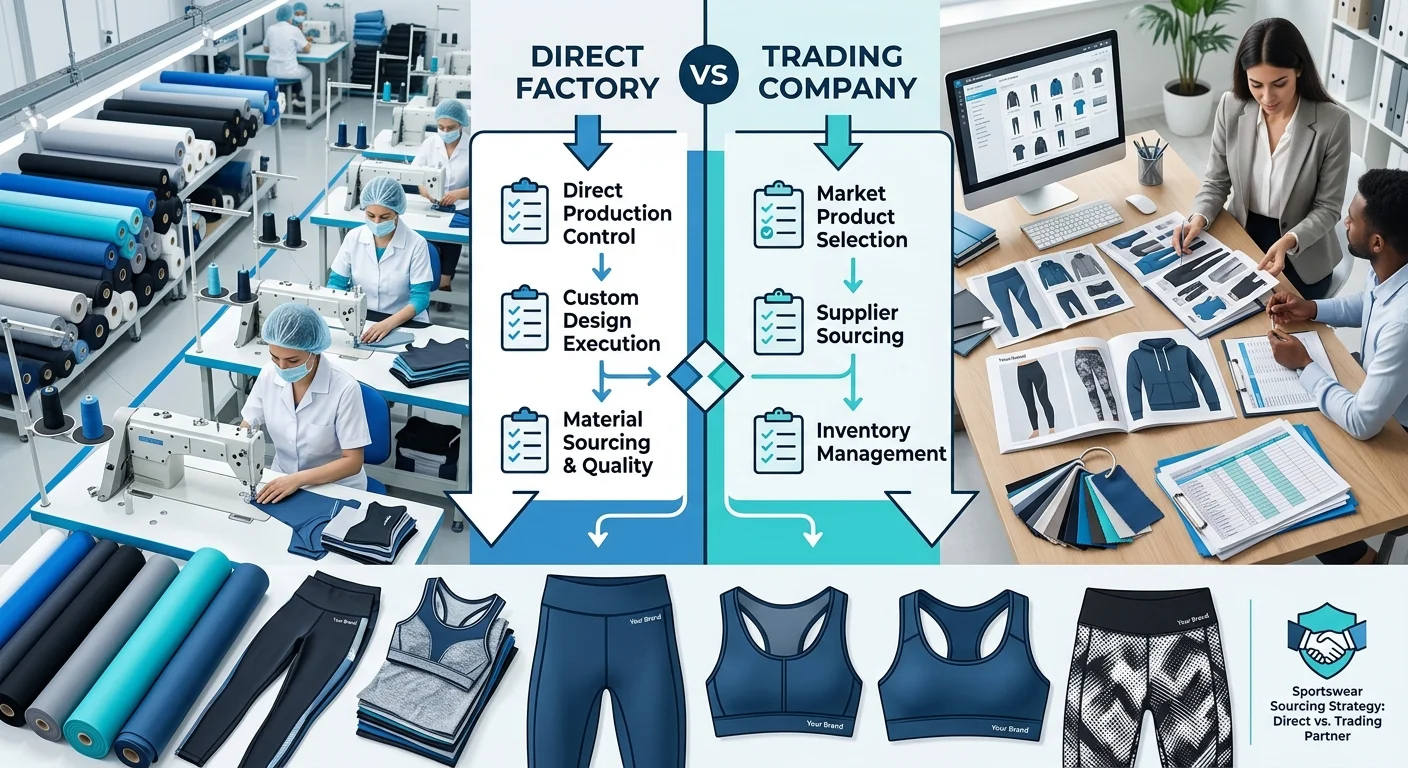
Eight dimensions. That's all it takes to see where each model wins — and where it costs you.
Dimension | Sportswear Factory | Trading Company |
|---|---|---|
Unit Price | 5–30% lower (no middleman markup) | Higher, but competitive if they hold long-term factory relationships |
MOQ | Higher — machinery setup and raw material minimums drive this up | Lower — ideal for small test orders and scattered SKUs |
Customization Depth | Full control: fabric, cut, hardware, labels, packaging, mold development | Possible, but filtered through a third-party factory — depth depends on their relationships |
QC Transparency | Direct access to production line, raw materials, and final inspection | Variable — you get a secondhand view of the process |
Lead Time Predictability | Fewer handoff points mean more control | An extra coordination layer raises the risk of delays and mix-ups |
Communication Speed | Direct feedback on tech packs, sample revisions, and process changes | Sales rep → internal relay → factory — details get lost at each step |
Accountability | Clear: one party owns production and quality | Split between the trading company and the factory — resolution takes longer |
Multi-Category Sourcing | Limited to core product categories | Strong advantage: consolidate gym wear, outerwear, accessories, and socks into one order |
What This Means for Your Brand
Don't compare unit prices alone. Factories run 5–30% cheaper on paper. But a trading company with lower MOQ, consolidated shipping, and cross-category sourcing can close that gap fast. Your total landed cost is what matters.
Here's a clear breakdown:
Factories win on : bulk reorders, performance fabrics, compression construction, structured accountability, and high-frequency sampling cycles
Trading companies win on : first orders with limited capital, wide SKU ranges, brands with no dedicated sourcing staff, and markets where language barriers make direct factory communication risky
Quality control is where things break down. Compression tightness, stitch tensile strength, color fastness — these details get lost in a two-layer communication chain. A defect surfaces late. Then you're facing full-batch reworks, discount liquidation, or refund disputes.
The right choice depends on your order size, customization needs, and where your brand stands right now. There's no single answer that fits everyone.
Which Is Better for Your Brand Stage? (Early / Growth / Scaling)
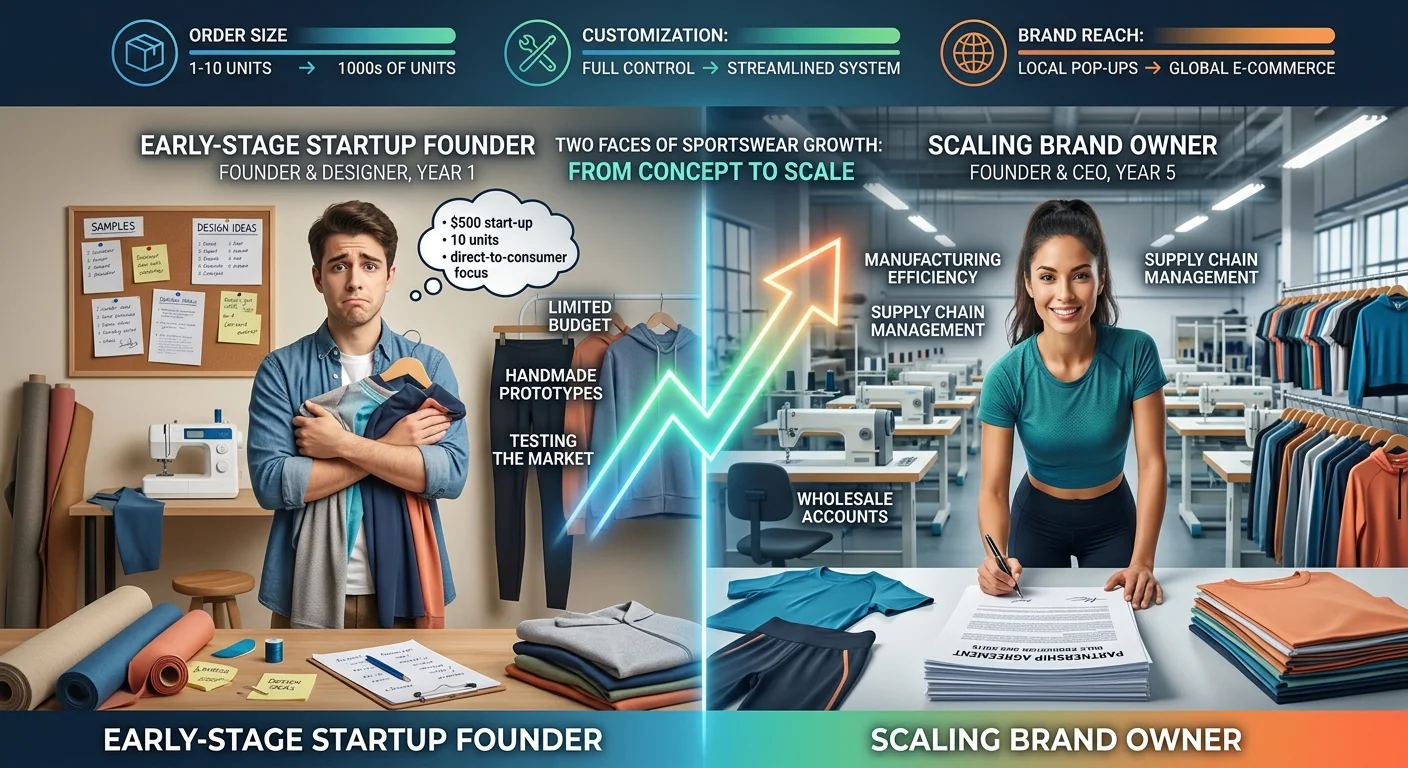
Your brand stage determines everything. The supplier model that saves a scaling brand 34% on unit costs can destroy an early-stage founder who orders 2,000 units before proving a single design works.
Here's the breakdown by stage.
Stage 1 — Early / Test Phase: Protect Your Cash, Validate First
At this stage, your biggest risk isn't margins. It's inventory you can't sell.
Trading companies are built for this situation. They accept 50–100 pcs per style — sometimes as low as 30 pcs on stock blanks. That entry point lets you test 3–5 styles without putting your entire brand budget on one factory run.
Yes, you'll pay more per unit. A trading company at 200–300 units runs 25–40% higher than a factory-direct quote at scale. But that premium is often worth it early on. The other option — a factory-direct MOQ of 500–3,000 pcs on an untested design — carries far more financial risk.
The practical playbook for early-stage brands:
Order <200 pcs per style ? Use a trading company for your first 1–3 runs. No exceptions.
Track sell-through rates hard . Any style hitting >60–70% sell-through in under 90 days is your signal.
Run 1–2 seasons through the trading company. Use that time to validate sizes, fabrics, and colorways — not to cut unit costs.
The switch point: A single core style projects 500–1,000 pcs per reorder cycle . At that point, the math shifts. Factory-direct pricing drops 15–40% below trading-company rates at that volume. The service buffer a trading company offers stops being worth the extra cost.
Stage 2 — Growth Phase: Switch to Factory-Direct, Lock In Quality Stability
Product-market fit changes the whole picture. You know what sells. Now the job is protecting margins and building consistency.
OEM Sportswear Manufacturers and activewear ODM suppliers become your most important partners at this stage — not just vendors.
At 500–3,000 units per style, factory-direct sourcing builds real advantages over time:
Unit cost savings of 15–40% versus trading-company rates at this volume tier
Volume price breaks — moving from 500 to 2,000 pcs can trigger an extra 10–20% reduction through better cutting efficiency and lower per-unit setup costs
Direct access to patternmakers means fit revisions take 2–4 weeks , not the 8–12 weeks you'd wait through a middleman
Quality control becomes a real structural edge here, not just a box to check. A direct factory relationship gives you pre-production samples (PPS) and batch-level fabric testing for shrinkage, colorfastness, and stretch recovery — all before a single unit goes into bulk production. That upstream QC cuts defect rates by around 30% compared to informal QC through middlemen. Your return rate drops. Your brand reputation holds.
Growth-stage sourcing framework:
Identify your 3–5 core SKUs with proven demand (≥500 pcs per season each)
Build solid tech packs — graded measurements, fabric GSM, stretch %, lab test specs
Run parallel pilot orders with 2–3 specialist factories at 500–1,000 pcs per style
Consolidate to one primary factory once you hit: defect rate <2–3% , on-time delivery >95% , unit cost 20–30% lower than your trading-company baseline
Keep a trading partner for experimental styles or micro-drops under 200 pcs only
Stage 3 — Scaling Phase: Factory-Direct Becomes Non-Negotiable
At scale, a trading company can't deliver what you need. Compliance certifications, IP exclusivity, dedicated production capacity — none of that comes through a middleman.
Custom gym wear manufacturers and fitness apparel manufacturers working with scaling brands operate on a different level entirely:
Dedicated production lines for brands ordering 10,000+ pcs per month per style — priority scheduling, lead times cut to 6–8 weeks versus the standard 8–16
ISO 9001, BSCI, SEDEX, WRAP compliance built into your supply chain — major retailers and DTC platforms now treat this as a hard entry requirement for new suppliers
IP and design exclusivity clauses — exclusive patterns, molds, and printing screens locked to your brand; factories at this volume also commit to grading and layouts they won't reuse for competitors
Pre-shipment lab testing on every production lot, with process controls targeting failure rates below 1–2% on key performance specs
The sportswear supply chain at scale needs strategic factory partnerships, not one-off vendor deals. Brands with 50,000+ pcs per year on flagship styles can negotiate volume-based rebates of 1–3% , exclusive production windows for key seasons, and multi-year contracts tied to performance KPIs.
The Switch Benchmarks — Know the Right Time to Move
Brand Stage | Switch Signal | Expected Savings |
|---|---|---|
Early → First Factory-Direct | Single style forecast ≥500–1,000 pcs/order | 20–30% vs. trading company |
Mixed → Mostly Factory-Direct | Top 5–10 SKUs each at ≥2,000–5,000 pcs/year | 15–40% at growth volume |
Standard → Exclusive Factory Partnership | Annual factory volume ≥50,000–100,000 pcs | Rebates + IP protection + priority capacity |
The fastest-scaling brands didn't find the cheapest supplier. They matched their supplier model to their growth stage — and made the move as soon as the numbers pointed the way.
5 Key Advantages of Working Directly With a Private Label Sportswear Manufacturer
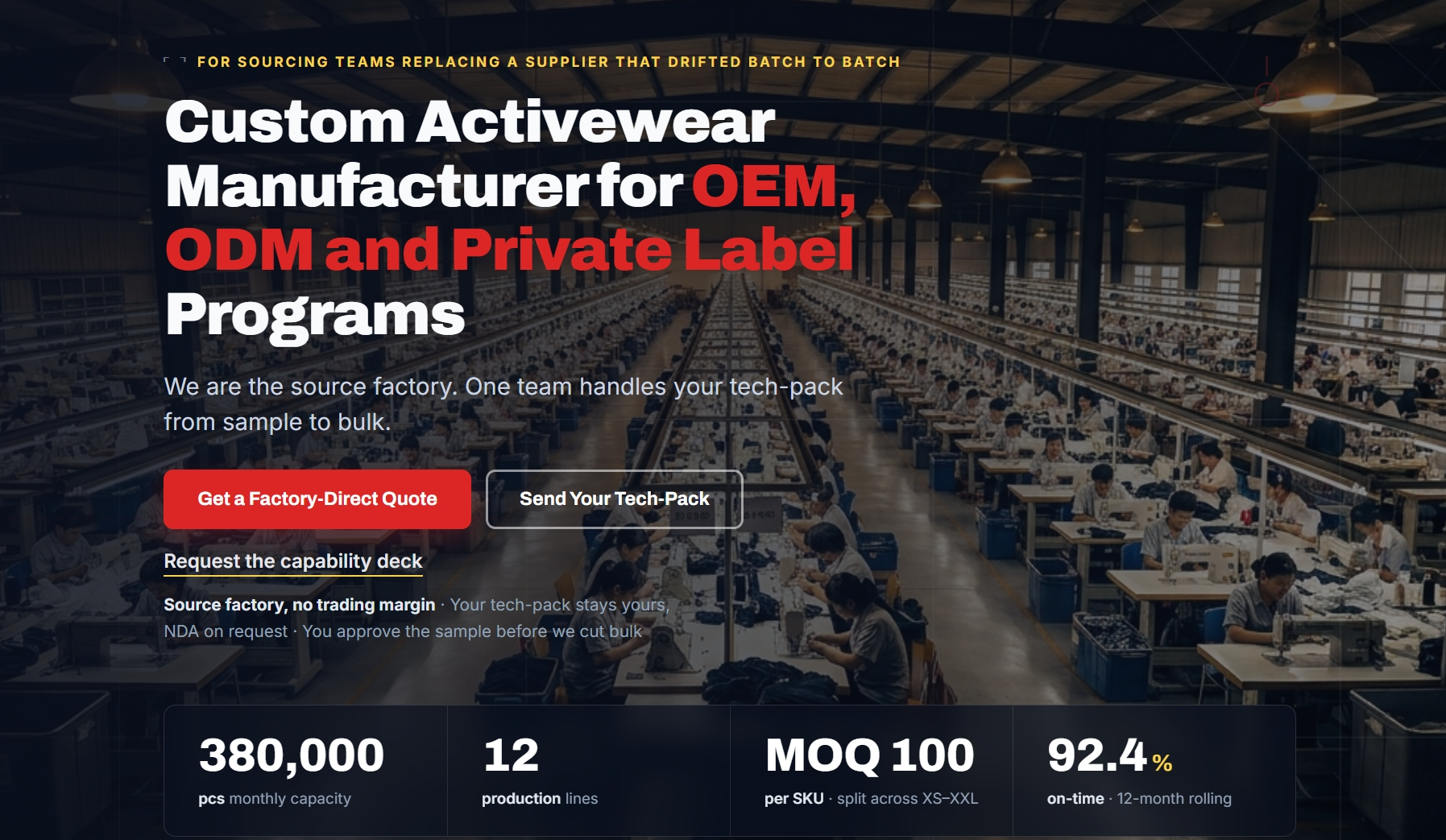
Here's a number worth your attention: €43,000 .
That's the extra gross profit a brand producing 10,000 units per year gains by cutting out the middleman. Same product. Same retail price. Just a direct line to the factory instead of going through a trading company.
That's what factory-direct means — and it goes well beyond pricing.
1. No Middleman Markup: Direct Hit to Your Gross Margin
Every layer between you and the factory costs you money. Trading companies add 5–30% markup on unit costs. It's not hidden — it just rarely gets calculated in full.
Run the numbers on a private label tee:
Factory ex-works cost : €7
Retail price : €32
Direct gross margin : 78%
Through a middleman at +20% : landed cost rises to €8.40, margin drops to 73.7%
That 4.3-point margin gap compounds fast. At 10,000 units per year, that's €43,000 in lost gross profit — money that should fund your next collection, not a trading company's commission.
Brands working direct with OEM sportswear manufacturers report 20–50% ROI in year one . That gain comes from margin efficiency alone, by removing intermediaries from the chain.
2. Deep Customization: Build a Product Moat Competitors Can't Copy
Generic activewear floods the market. To build real brand equity in sportswear, you need to make something that can't be pulled from a catalog.
Working with a custom gym wear manufacturer gives you full control over the specs that matter:
Fabric weight : 180–220 gsm for quick-dry running tees; 260–320 gsm for compression leggings
Stretch performance : 15–25% four-way stretch for yoga; 8–12% elongation for high-support gym tights
Moisture-wicking : factory-spec targets <3% residual moisture after drying — versus 5–8% on standard generic fabrics
Color fastness : ISO grade 4–5 wash fastness, compared to grade 3–4 on lower-end stock
Here's what a real product moat looks like. A brand co-develops a 280 gsm nylon-spandex legging — 25% stretch, squat-proof at 90° flex, proprietary side-pocket placement. A competitor buying generic white-label from the same factory gets 240 gsm standard fabric with a base pattern. The fit, opacity, and construction are completely different. Copying it is not straightforward at all.
Your activewear ODM supplier can also help you combine private label base patterns with targeted changes — rise, inseam, grading rules, waistband construction — to build a signature fit without heavy custom development costs.
3. Transparent QA: Cut Returns Before They Damage Your Brand
Quality defects don't just cost you money. They cost you reviews, repeat purchases, and brand trust — things that don't show up on a P&L until the damage is done.
The industry numbers tell the story:
Well-run factories target <1–2% defect rates per production run
Weak process control can push 5–10% defective units to destination
Online apparel return rates average 20–30% , with quality defects making up 2–5 percentage points of that total
Look at two real-world scenarios:
Brand A — sources leggings through a trading company. Fabric batches vary. Seam failures hit 3% of units . Color bleeding affects another 2% . Defect-related return rate: ~5% .
Brand B — works direct with an OEM sportswear manufacturer and sets hard QA specs: seam failure <0.5%, shade variation ΔE <1.0, wash fastness ≥4. With inline inspections and final AQL 2.5 sampling, defect returns drop to ~1% .
On 10,000 units at €25 retail, that 4-point defect difference is 400 fewer returns . That avoids €10,000 in lost revenue plus replacement and logistics costs.
A direct factory relationship lets you set the QA structure from day one: written tech packs with tolerance tables (waist ±0.5 cm, leg length ±1 cm), fabric test protocols for shrinkage, pilling, and bursting strength, plus per-lot defect reporting with root-cause analysis . None of that is possible when a trading company handles the "label and ship."
4. Faster Technical Response: Win the Seasonal Window
Sportswear trends move fast. Miss the seasonal window and your best collection ends up on the markdown rack.
Private label MOQs run 30–150 units per style with 4–8 week lead times from confirmation to shipment. Going direct with a fitness apparel manufacturer tightens every feedback loop:
New color or print approvals: 3–7 days instead of 2–3 weeks through a trading company
Pattern tweaks (higher rise, revised armhole): 2–4 weeks total , not 8–12
A real seasonal drop timeline with direct factory access looks like this:
New winter fabric (320 gsm brushed) + three new colorways → lab dips and fabric approval in 7–10 days → sample sew in 7–10 days → bulk production in 4–6 weeks → total: 7–9 weeks from concept to ship .
Route that same process through a middleman and extra approval layers push the cycle to 10–14 weeks . That's the gap between launching into peak season and launching after it.
Direct access to the factory's R&D and pattern room also means you can test new constructions — laser-cut ventilation, bonded seams, seamless contour panels — in pilot runs of 50–100 pcs before committing to full production.
5. IP and Contract Control: Lock In Your Design Exclusivity
Most brands don't think about this advantage until a competitor launches something that looks identical to their hero product.
Go direct with a private label sportswear manufacturer and you can negotiate IP and exclusivity terms that trading companies can't offer:
Pattern exclusivity : the factory agrees not to sell your specific legging or sports bra block to other clients for a set period or within certain territories
Colorway exclusivity : custom Pantone combinations reserved for your brand — competitors can't order identical prints from the same factory
ODM upgrade rights : the activewear ODM supplier builds new patterns using its own R&D budget, then hands exclusive usage rights to your brand in exchange for volume commitments
Here's what that looks like in real numbers. A brand co-designs a signature compression short: €11 unit cost, €55 retail . The contract locks in 3-year pattern exclusivity in the EU and US , tied to a minimum annual volume of 5,000 units . A competitor requesting a similar short from the same factory triggers a full new base pattern — protecting your fit, your construction, and your pricing power.
Without these clauses, your "private label" product is just white-label with a logo. With them, you own a real design asset that protects your margin against commodity competition.
Quick-Reference Checklist for Brands Going Factory-Direct
Before you lock in any direct manufacturer relationship, run through these five checkpoints:
Margin model : calculate at least +3–8 percentage points gross margin uplift by removing middleman markup on your top 3 volume styles
Fabric and fit specs : define GSM, fiber blend, stretch %, and grading rules; require lab data for moisture-wicking, shrinkage, and color fastness
QA standards : target <2% defect rate , AQL 2.5 or better, written tolerance tables, and monthly return-reason tracking
Lead time confirmation : verify standard lead times (target 4–8 weeks ) and sampling cycles that match your seasonal launch calendar
IP clause negotiation : secure pattern and colorway exclusivity with clear territory and time limits, tied to realistic MOQ commitments the factory will honor
A Trading Company Actually Makes Sense — Honest Assessment
This entire guide is built around going factory-direct. But pushing factories on every brand at every stage would be dishonest — and useless to you.
There are four specific situations where a trading company is the smarter call.
Situation 1: Your order volume is under 200 units per style.
Export-ready sportswear factories in China and Vietnam won't move for less than 500–3,000 pcs per style. Many require a minimum order value of USD 30,000–50,000 before you earn a production slot.
Trading companies fix this through consolidated batch production. They pool orders from multiple small brands into a single 1,000–3,000 pc factory run, then split by label and packaging. Your actual pickup? As low as 100–150 pcs per colorway. First-order cash requirements land in the USD 1,080–1,440 range — versus USD 4,000–5,000 going direct.
Yes, unit prices run 10–30% higher. But your cash exposure drops 60–75%. For a brand still testing whether a design sells, that tradeoff makes sense.
Situation 2: You're sourcing across multiple product categories.
Say one order needs to cover tops, leggings, socks, hats, and resistance bands — all from different factories. A trading company pulls 3–10 suppliers into a single invoice and one LCL shipment. That alone cuts customs clearance costs by 30–60% versus managing multi-vendor direct shipments.
For brands spending below USD 100,000 per year across four or more categories, the trading company's 10–20% markup is often cheaper than hiring the internal staff to manage that complexity yourself.
Situation 3: Your team has zero supply chain experience.
First-time founders sourcing direct face a 30–50% chance of a serious delay or quality dispute in their first 12 months. A solid trading company handles factory selection, production tracking, and customs. That brings the risk down to 10–20%. The premium is real. So is the protection.
Situation 4: A specific trading company holds real bulk purchasing leverage.
A few trading companies consolidate USD 10–50M in annual purchases with top-tier mills — buying 500,000–1,500,000 meters of performance fabric per year. That volume can produce 10–25% fabric cost advantages, and they pass some of that savings to you.
Here's how to spot it: a trading company quotes you 5%+ below a factory's direct price on identical specs. Their service fee stays under 10% of total order value. That's a sign their leverage is real.
The Hard Limit
Trading companies make sense at a specific range: annual purchasing of USD 30,000–300,000, per-style volumes of 100–1,000 units, and a supply chain team of zero to one person.
Cross USD 1–3M in annual revenue — and your core styles hit 2,000–10,000 units per run — the math flips hard. Middleman markup starts eating 8–20% of total goods value. Worse, your factory relationships, technical know-how, and QC infrastructure sit locked inside someone else's business. You build nothing you own.
The honest framing: trading companies are a transition tool, not a long-term strategy. Use one to get through your first one to three seasons. Start building direct factory relationships once your top styles hit 500+ units per reorder. By the time your annual purchasing reaches USD 300,000+, skipping direct costs you more than any convenience a trading company offers.
How to Tell If You're Talking to a Factory or a Trading Company (Red Flags,Verify)
Suppliers lie. Not always out of bad intent — but in the sportswear sourcing world, "we are the factory" is the most overused claim you'll hear. Believe it without checking? You get inflated unit costs, zero QC leverage, and IP that belongs to whoever runs the production line.
Here's the fastest verification framework that works.
The Three-Layer Check (Run All Three Before You Sign Anything)
Keep it simple: check the business license , check the product focus , then back it up with on-the-ground evidence . Two out of three don't align? You're not dealing with a direct factory.
Layer 1 — Business License Scope
A real manufacturer's registered scope includes words like manufacturing / processing / production . The scope reads wholesale / import-export / trading ? That entity is a trading company by law — no matter what their website claims.
Layer 2 — Product Line Width Factories stay focused. A real sportswear factory sticks to 2–3 core product lines . The same supplier sells LED lights, yoga mats, and kitchen knives? Hard stop. That's a trading company moving whatever sells.
Layer 3 — Physical Address
Real manufacturers sit in industrial zones — Foshan, Ningbo, Dongguan. A "factory" with a city-center Shanghai or Shenzhen office address is a strong red flag. Production lines don't belong in commercial high-rises.
7 Verification Steps (In Priority Order)
Check government business registries yourself — don't trust the scanned license they send you. Go to the source. Verify the company name, registered scope, credit code, and any litigation records on your own.
Cross-check name consistency — the factory name on photos, the contract entity, and the payment recipient should all match. They don't match? Demand a clear explanation with supporting documents. "Group company" or "sister factory" talk without paperwork is a red flag, not an answer.
Request a live video walkthrough — the footage must show today's date on-screen, active production lines with workers, equipment, raw material storage, and the company signage. Showrooms and sample rooms don't count.
Hire third-party auditors — use SGS or Bureau Veritas. Don't accept an "internal inspection" the supplier sets up themselves. This choice matters more than any document they hand over.
Place a small sample order and ask for cost breakdowns — a real factory breaks down material cost, labor, tooling, and lead time. Trading companies hand you a bundled price with a flat margin across every product. That pattern tells you a lot.
Audit the payment path — payment goes to a different entity than who you're contracting with? Risk jumps up fast. Direct factories collect and invoice under their own company name.
Look for owned equipment and active production — real factories have running production lines, work-in-progress inventory, and machinery they own. Trading companies have offices, sample rooms, and warehouses. Spot the difference.
Fake Factory Red Flags: What They Say vs. What It Means
What They Say / Do | What It Signals |
|---|---|
"We handle everything" — wide, unrelated product range | Classic trading aggregator |
Refuses full-facility video tour, sends polished promo footage only | No real production floor to show |
Business license provided as a scanned image only | Dodging official registry verification |
Contract name, payment recipient, and factory name don't match | Multi-entity structure hiding the real manufacturer |
Pricing has no cost structure — same margin logic across all SKUs | Trading markup, not production cost math |
Pushes for large upfront orders or full payment | Not standard for real factories; normal terms are 30/70 |
Resists third-party inspection | Something to hide — almost every time |
The quick decision rule: Two of these three signals show up — inconsistent product range, office-building address, company name includes Trading / Commercial / Industrial — treat them as a trading company until they prove otherwise. Documents, video, and payment entity all point to different names? Stop the order. Verify first, then proceed.
Direct factory relationships give you IP protection, real QC authority, and full cost transparency. None of that works if you haven't confirmed who you're dealing with.
FAQ: Sportswear Factory vs. Trading Company
Ten questions. Direct answers. No fluff.
Q1: Is a sportswear factory always cheaper than a trading company?
Not always. Factories run 5–30% lower on unit price — that's real. But total landed cost tells a different story. Some trading companies consolidate shipments from multiple factories. They cut customs touchpoints and handle coordination for you. That closes the price gap fast. For activewear production cost , the factory wins on the line item. The trader can win on the full invoice.
Q2: Which is better for private label sportswear?
Factory-direct is the stronger choice for custom fabric specs, proprietary fit, branded trims, or IP protection. A trading company works better for fast cross-category sourcing with less operational hassle. It's a solid starting point for gym wear brand development before your specs are finalized.
Q3: What MOQ should I expect from a sportswear manufacturer?
Factories set MOQs based on production economics — 500–3,000 pcs per style is the standard range. Trading companies are more flexible, often accepting 100–300 pcs , because they combine orders from multiple clients. High-volume repeat orders suit factories. Test orders and mixed SKU launches suit traders.
Q4: How do I start a sportswear brand with a manufacturer?
Go factory-direct once your product spec is solid: defined fabrics, a complete size chart, and a clear brand brief. The practical sequence for sportswear sourcing China :
Define product specs and tech pack
Request the business license and manufacturing proof
Approve pre-production samples
Confirm MOQ, lead time, and payment terms
Lock all specs in writing before placing the bulk order
Q5: How do I tell a real factory from a trading company?
Three checks that don't lie:
Business license scope — look for manufacturing/production , not wholesale/trading
Product range — real factories stay narrow; traders list everything
Physical address — factories sit in industrial zones, not city-center office buildings
One signal alone isn't enough. Run all three.
Q6: Which model gives better quality control?
Factories own the equipment, the workers, and the production process. That gives you direct leverage on specs, defect correction, and inline inspection. A trading company can still manage QC — but it sits one layer away from the production line. For fitness apparel manufacturers with strict performance requirements, that one layer matters.
Q7: Can a trading company handle multiple sportswear categories?
This is where trading companies stand out. Need leggings, sports bras, hoodies, socks, and resistance bands in one shipment? A trading company pulls together 3–10 suppliers under a single invoice and one consolidated freight movement. You cut customs clearance costs by 30–60% compared to managing each factory on its own.
Q8: What should I ask any supplier before committing?
Before you wire a deposit, get answers to these eight questions:
Business license and registered manufacturing scope
Factory address (must match the license)
Product range — how narrow or wide?
Video walkthrough with today's date visible
MOQ and lead time per style
Payment terms (standard: 30% deposit / 70% balance)
Who owns the production — in-house or outsourced?
Sample cost and revision policy
Q9: Is using a trading company risky for custom sportswear development?
For IP-sensitive designs, custom tooling, or styles you plan to reorder on a regular basis — yes. The extra layer between you and the factory weakens your control over spec ownership and development assets. Trading companies are built for procurement speed, not deep product development. Your brand's edge lives in the product itself. Factory-direct is the only option that protects it.
Q10: What's the simplest decision rule?
Choose a factory for lower unit cost, tighter QC, and real customization depth.
Choose a trading company for lower MOQ, broader product mix, and simpler logistics.
Here's the honest version: your brand stage drives the decision more than anything else. At the start, convenience tends to outweigh cost. Once your core styles hit 500+ units per reorder , the math shifts. Factory-direct stops being one option among many — it becomes the obvious move.
Conclusion
Your supplier choice isn't just a procurement decision. It's a bet on your brand's future.
Want real margins, deep customization, and full visibility into your supply chain? Work with an OEM sportswear manufacturer . No markup layers. No communication gaps. No guessing who made your product.
Trading companies have their place — but that place is rarely "long-term brand partner."
Here's the bottom line: factories give you control. Control is what separates brands that grow from brands that stall.
So ask yourself one question before you send another inquiry — do you know who you're buying from?
Not sure? Request a free factory audit and custom sampling quote from Berun Activewear today. The right manufacturing partner doesn't just fill orders. They help you build something worth wearing.