You're twenty minutes into a workout. Your shirt's rolled up to your ribs, sweat's pooling somewhere it shouldn't, and you're doing the math on whether that "budget-friendly" gym set was a waste of forty bucks. Most of the time, it's not about willpower. It's about gym clothing materials that were never meant for real movement.
We're going straight to the pain points—chafing, see-through leggings, fabric that traps heat instead of letting it out—and matching them to what different workouts actually need. Many brands develop custom gym clothing manufacturer programs to create performance-focused collections for different training needs.Whether you're deadlifting, sprinting, or holding a downward dog, the right moisture wicking fabric and cut can mean the difference between finishing strong and constantly adjusting your outfit instead of your form. By the end, you'll know exactly what to check before you swipe your card again.
Moisture Wicking: Why Cotton Fails and Tech Fabrics Keep You Dry
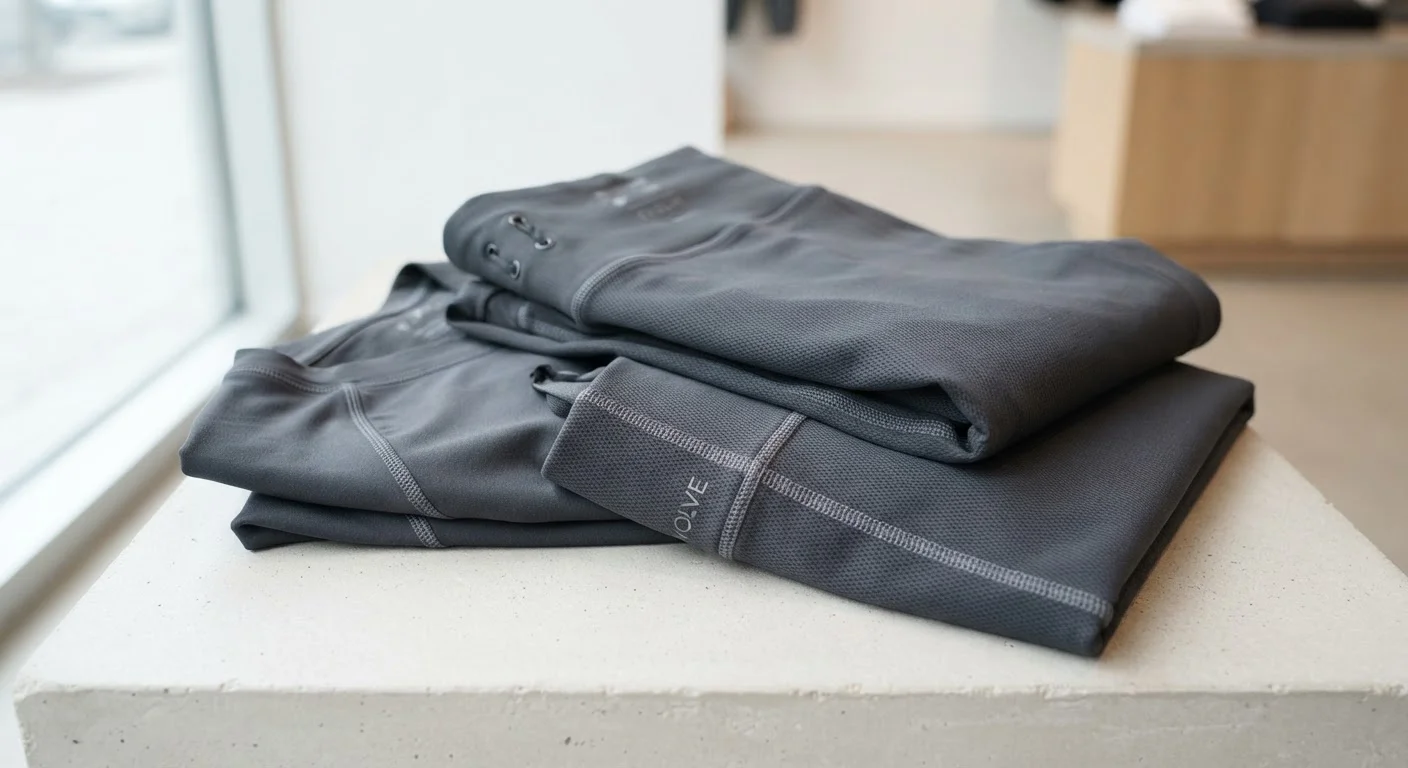
Cotton lied to you. That soft, comfy tee you love? It's built to absorb, not release. Cotton fibers soak up sweat like a sponge and just hold it there against your skin for the rest of your workout. It can absorb up to 27 times its own weight in water . That's not a typo. That's why your shirt feels like a wet towel by set three.
Here's the number that matters: cotton's moisture content sits around 8.5% . Compare that to polyester at 0.4% and nylon at 4% . Synthetics just don't hold water the way cotton does. Wet a cotton tee and it can gain 200–300% in weight . Performance polyester? Only 5–10% . Cotton also takes 4–6 hours to fully dry, sometimes reported as 45+ minutes even in active-use conditions. Advanced synthetics dry in 8–10 minutes . That gap is the entire reason sweat-wicking became a category.
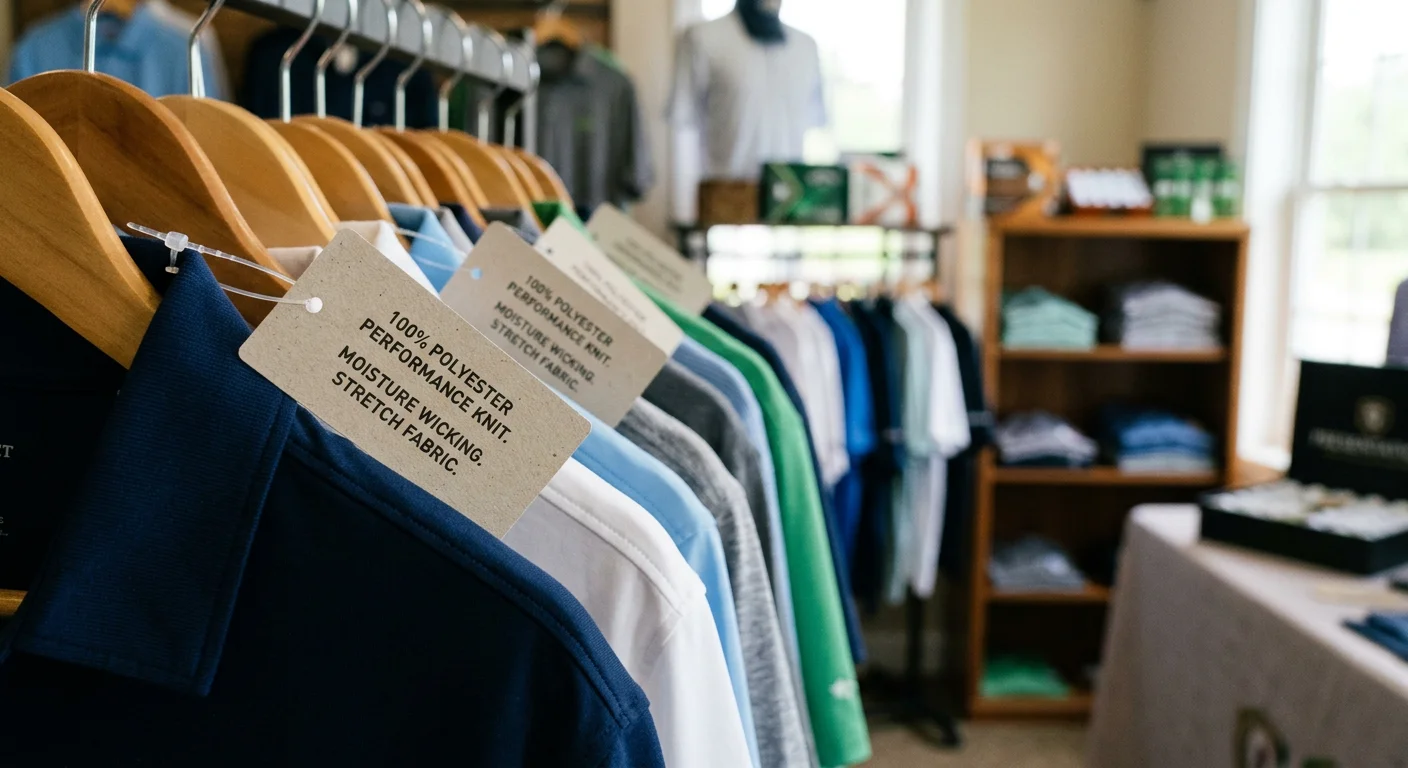
Moisture wicking fabric pulls sweat off your skin, spreads it across the fabric's outer surface, then lets it evaporate fast. Polyester and nylon are hydrophobic — they repel water instead of storing it. That's the science behind every breathable workout clothes label you've seen. Most quality activewear blends polyester with spandex, which adds stretch without sacrificing wicking performance.A trusted workout clothing supplier helps businesses source durable fabrics and consistent production quality.
Want to test it yourself before buying? Drop a single drop of water on the inside of the fabric. If it spreads and vanishes within 3 seconds , you've got solid sweat absorbing fabric performance. If it beads up and sits there past 10 seconds , walk away.
Label clues that matter:
- "Moisture-wicking" or "quick-dry"
- "Moisture management" or "push-pull"
- "Hydrophilic finish"
- Named textile tech like CoolMax, Polartec, or Pertex
- A claim like "dries 2× faster than cotton" — that's a real spec, not marketing fluff
Runners and HIIT athletes need this most. High sweat output plus fast dry time equals better performance and fewer mid-session outfit adjustments. Yoga and pilates practitioners benefit too — less cling, less chill, less skin irritation during those long holds.
Skip 100% cotton for anything sweat-heavy. Stick to polyester, nylon, or polyester-spandex blends every time.
Breathability and Temperature Regulation: Staying Cool in High‑Intensity Sessions
Your body's core temperature climbs fast once you hit a hard interval, and fabric choice decides whether that heat escapes or gets trapped against your skin. This is physiology. Heat and humidity buildup during intense efforts drives up thermal strain, fatigue, and how brutal the workout feels , even if your actual output hasn't changed. Heavy sweating, dizziness, weakness, nausea—those aren't just "bad workout days." They're heat symptoms, and breathable workout clothes are your first line of defense against them.
The design features that move air:
- Mesh panels under arms, back, or side seams
- Laser-cut perforations
- Open-knit, lightweight synthetic builds
- Moisture-wicking fabric that clears sweat before it pools
The data backs this up hard. In comparative apparel testing, standard knit fabric let core temperature rise by +1.82°C . Switch to mesh panels, and that rise drops to +1.51°C . Laser-perforated fabric pushes it even lower—just +1.29°C . Skin temperature at the 10-minute mark tells the same story: 35.4°C in standard knit, 34.1°C in mesh, 33.6°C in laser-perforated gear.
Sweat vapor escape speed matters just as much. Standard knit held vapor against skin for 12.7 seconds . Mesh cut that to 8.2 seconds . Laser-perforated fabric dropped it to 4.9 seconds . Faster vapor transfer means less clammy, sticky discomfort mid-set.
Perceived effort (RPE) shifted too—from 7.8 with standard knit down to 6.9 with mesh, and 6.1 with laser-perforated fabric. That's a real, measurable comfort gain, not marketing spin.
One real-world test found synthetic and cotton-fiber shirts performed comparably under frontal airflow. So garment design—mesh placement, ventilation zones—can matter as much as the fiber itself.Fitness brands can build unique collections through custom sports clothing with tailored fabric and fit options.
Match ventilation to your activity:
- HIIT, sprints, running: maximize mesh and perforation—sweat rate and heat load peak here
- Yoga, strength training: slightly thicker fabric is fine, but airflow still helps
Sports heat-guidance sources recommend capping intense sessions around 60–75 minutes and avoiding core temps above roughly 39°C . A practical cue: if your heart rate runs 5–10 bpm above normal at your usual pace, your gym clothing materials might be trapping more heat than your body can handle.
Compression and Support: Reducing Fatigue and Discomfort During Exercise
The heavy, dead-leg feeling on your third mile is measurable. A meta-analysis on neuromuscular fatigue markers found a statistically significant recovery effect from compression during exercise (SMD = 0.28, 95% CI −0.00 to 0.56, p = 0.05). In plain terms, your legs recover faster when properly compressed.
Where compression earns its keep
The clearest window is 24–48 hours post-workout, especially after resistance training and cycling. Across 50 reviewed studies, 29 reported positive effects on muscle soreness. Compression didn't make anyone feel worse—no studies showed increased perceived effort or fatigue. Some data even pointed to improved performance after exercise-induced fatigue, alongside lower post-exercise soreness sustained up to that 48-hour mark.
What to check when buying
Compression level: light, medium, or firm. Firmer works best for recovery-focused wear and heavier lifting sessions.
Seams: flatlock or seamless construction only. Anything else turns into friction burn during repetitive motion.
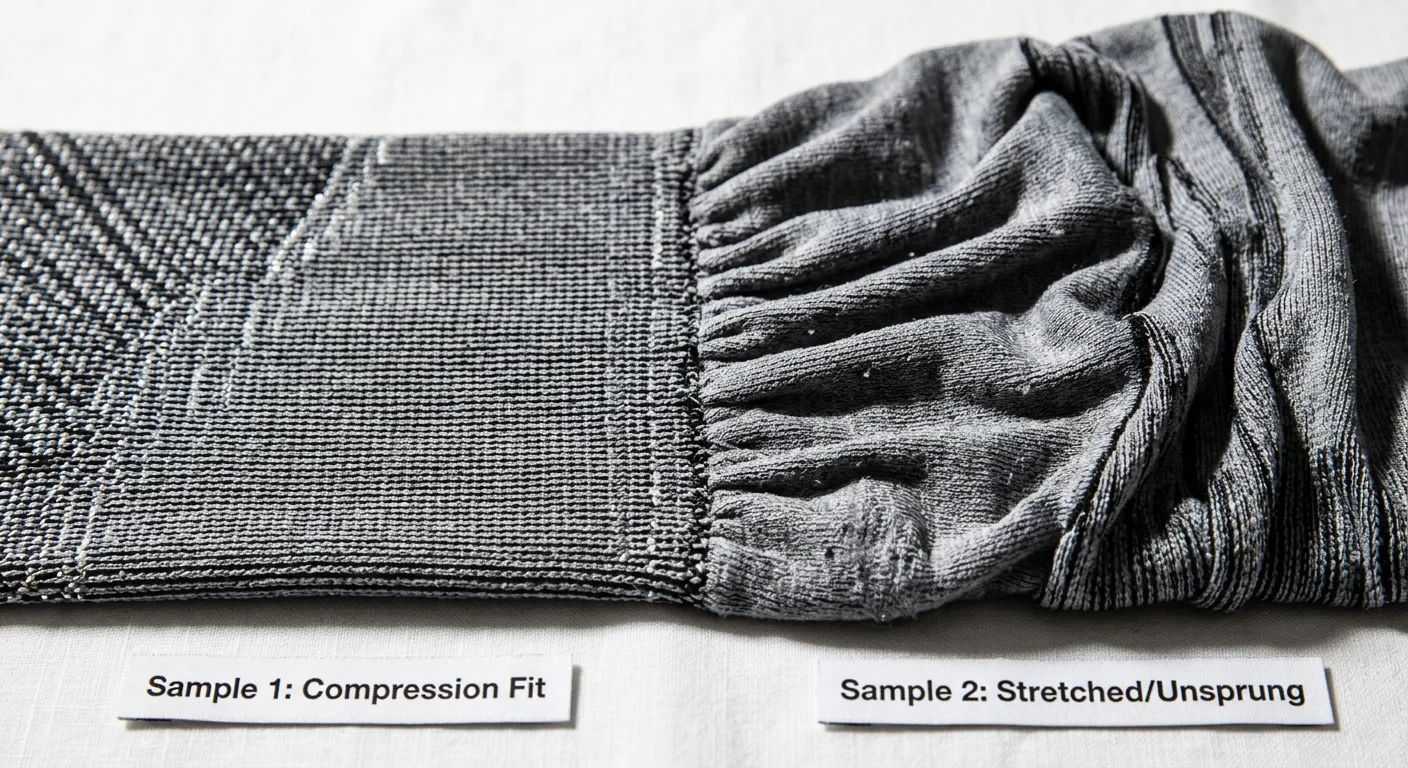
Fit: form-fitted. Compression works by stabilizing tissue, so it needs to be snug, not loose.
Matching compression to your workout
Running, HIIT, jump training: prioritize high support around chest and core, plus leg compression to cut down on muscle oscillation and that bouncy, uncomfortable jostle.
Strength training: compression here is about muscle stabilization mid-lift and soreness management after.
Yoga, low-impact sessions: light-to-moderate support is plenty. Mobility matters more than squeeze.
Compression reduces muscle vibration during repetitive movement and supports venous return, which helps circulation and recovery. For high-impact training, a high-support sports bra follows the same logic: less bounce, less discomfort, and better focus on your actual set instead of readjusting straps every thirty seconds.
Freedom of Movement: How Stretch Fabrics and Ergonomic Cuts Improve Performance
That deep squat where your waistband suddenly digs in, or the overhead press where your shoulder seam locks up mid-rep—that's not your body's fault. That's flexible sportswear failing at its one job.
4-way stretch fabric is the fix. It moves horizontally, vertically, and diagonally, which means it follows your body instead of fighting it. Bending, twisting, reaching overhead—none of it meets resistance. One industry source puts elastic recovery for four-way stretch materials above 92% , so the fabric snaps back to shape instead of bagging out after your third set.
2-way stretch only moves along one axis. Load it in the wrong direction—a deep lunge or a wide squat—and it restricts you exactly when you need it not to. In direct comparison testing, four-way stretch woven fabric scored 9.2/10 for mobility. Two-way stretch scored 6.5/10 . That gap shows up in real workouts as pulling, riding up, or fabric that won't cooperate.
What to look for in stretch fabric athletic wear:
- Polyester/spandex or nylon/elastane blends—these combine stretch, recovery, and structural support
- Labels specifying "4-way stretch," not just "stretch"
- Fabric that snaps back immediately after you release a stretch test, not seconds later
Cut matters just as much as fabric. Gussets , articulated knees and elbows, and pre-shaped joint panels let garments follow your body's natural motion instead of dragging against it. Flat, low-bulk seams placed at pressure points cut down on chafing during repetitive movement, so there's no friction burn after mile four.
Match cut to your workout:
- Yoga/pilates: maximum multi-directional stretch for deep folds and floor work
- Weightlifting: extra stretch at hips and shoulders for squats, cleans, overhead presses
- Running: hip clearance that won't restrict stride or cause ride-up
Quick fit-test before you buy:
- Squat test: waistband stays put, fabric stays opaque
- Reach test: arms overhead, no shoulder pull
- Turn/fold test: fabric recovers, no sagging
The strongest configuration is 4-way stretch base fabric, gusseted crotch, articulated knees, and flatlock seams. That's your benchmark.
Fit, Finish, and Durability: Avoiding the Mistakes That Waste Money
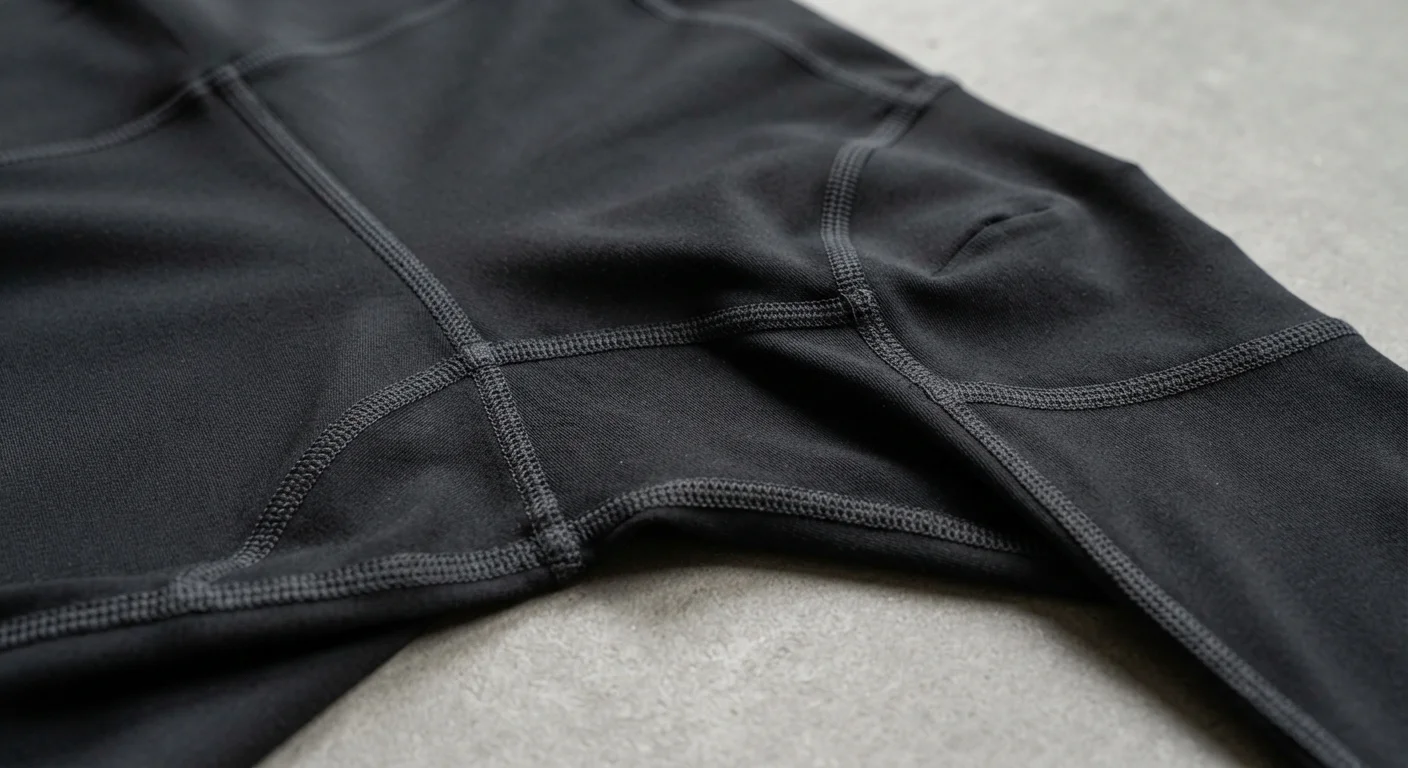
The seams you never look at are the reason your leggings die in three months. Most shoppers judge activewear on color and activewear price . That's backwards. Construction quality is what separates a $40 yoga legging that lasts two years from one that pills, sags, or splits at the crotch by month two.
What Activewear manufacturers check that you should too:
- GSM (fabric weight): heavier GSM usually means better structure and less see-through risk
- SPI (stitches per inch): tighter stitching resists blowouts under stretch
- Seam type: flatlock seams reduce chafing and hold up better than overlocked seams
- Shrinkage allowance: garments tested for wash shrinkage won't surprise you after laundry day
In-store or on-delivery checks that cost nothing:
- Squat test: no sheerness, no roll-down, no riding up
- Waistband pull test: snug but not digging in, elastic should recover instantly
- Seam inspection: pull gently on stress points—shoulders, crotch, side seams. Distorted or visible stitching means it won't survive real training
- Close-up product photos: zoom in before buying online; blurry seam shots usually hide weak construction
Care labels matter more than people think. Some finishes need 24–72 hours to fully cure. Skipping the wash instructions—tossing everything in high heat—breaks down elastic fibers early and kills stretch recovery.
Anti-pilling treatment and documented stretch-retention-after-wash are the two spec details worth hunting for on any product page. If a listing only pushes "sustainable" or "premium" without seam, GSM, or wash specs, that's marketing, not proof. Read the actual description. Your wallet will thank you.
Conclusion
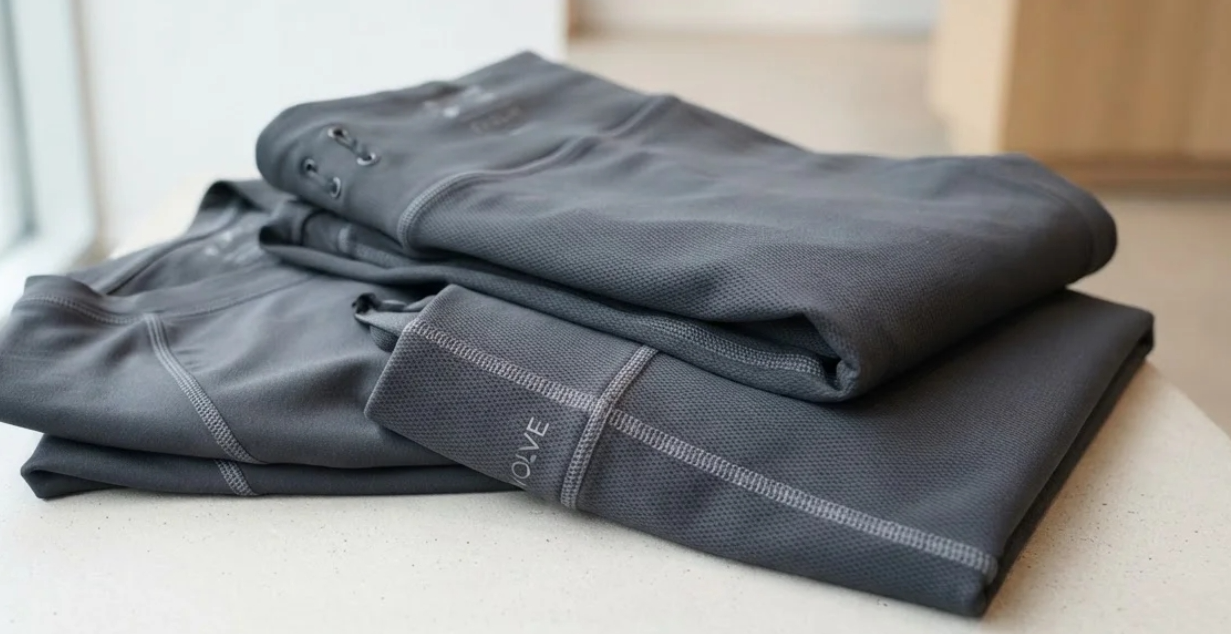
That bargain cotton tee isn't saving you money—it's costing you every rep, every stretch, every mile. The real difference between "just working out" and performing comes down to three things: moisture wicking fabric that keeps sweat from turning your session into a swamp, breathability that lets your body regulate heat instead of fighting it, and a fit engineered for how you move, not how a mannequin looks.
Stop guessing at the rack. Pull up the checklist from this guide, match it against your workout type—yoga, HIIT, lifting, running—and check fabric weight, stretch recovery, and seam placement before you swipe your card. One smart purchase now beats three frustrated returns later. Your next workout deserves gear that works as hard as you do, so go choose it like you mean it.Understanding gym clothing custom wholesale price helps retailers plan profitable bulk orders.