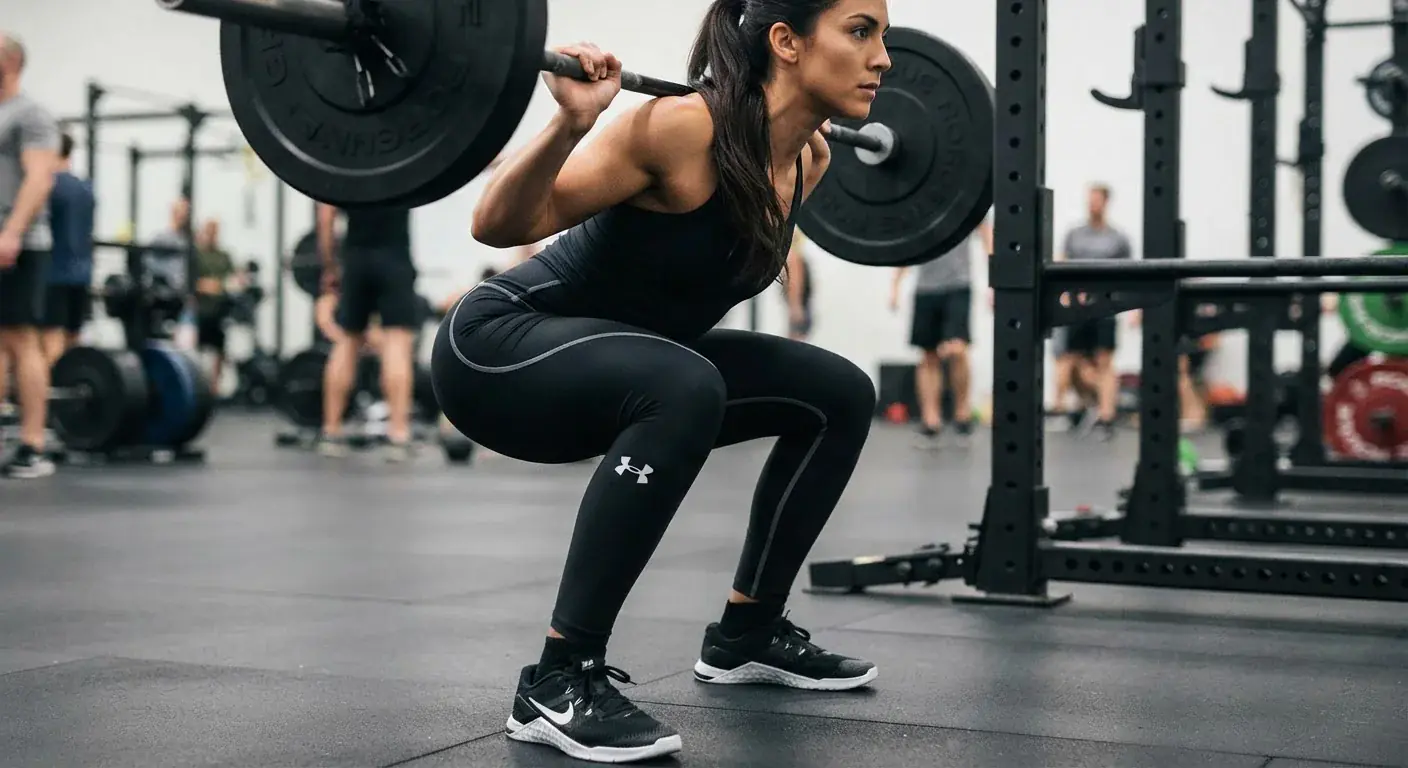
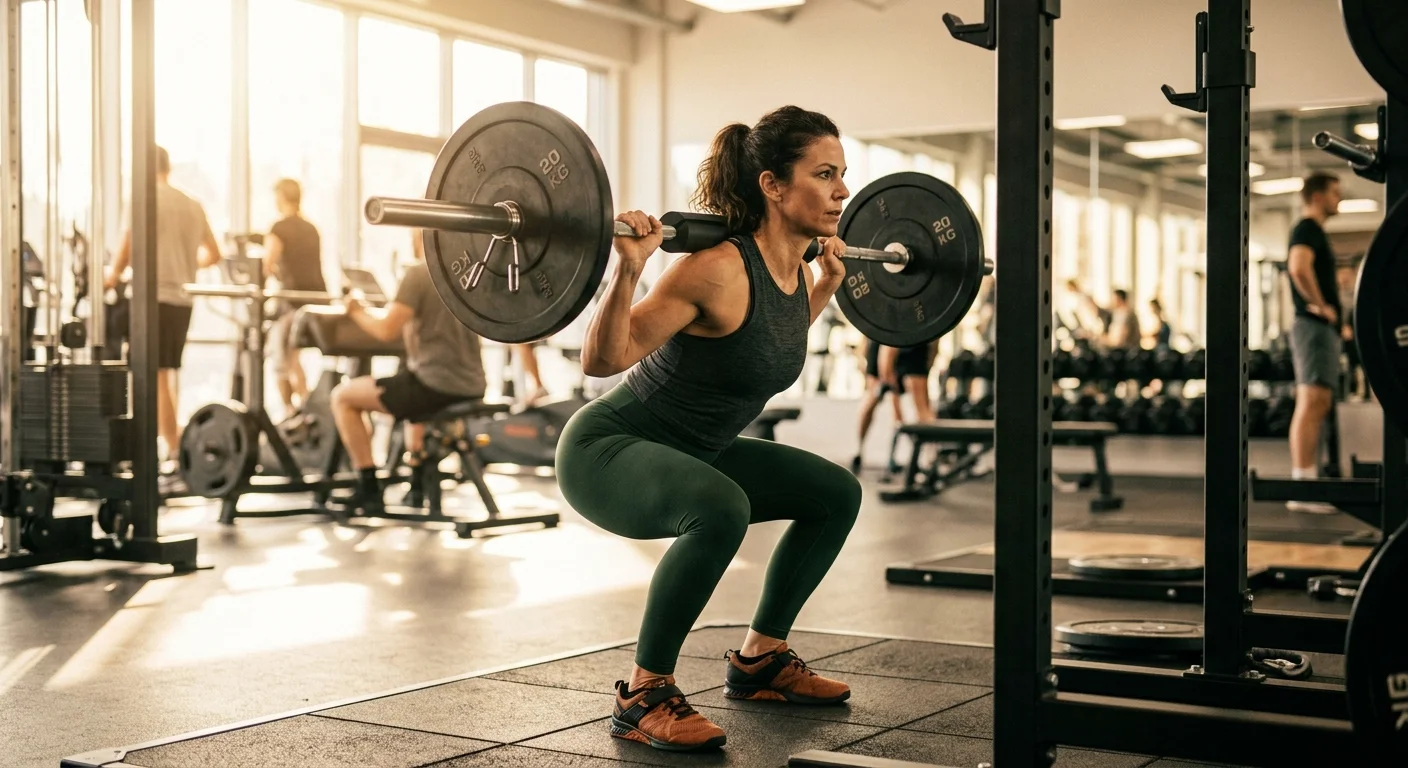
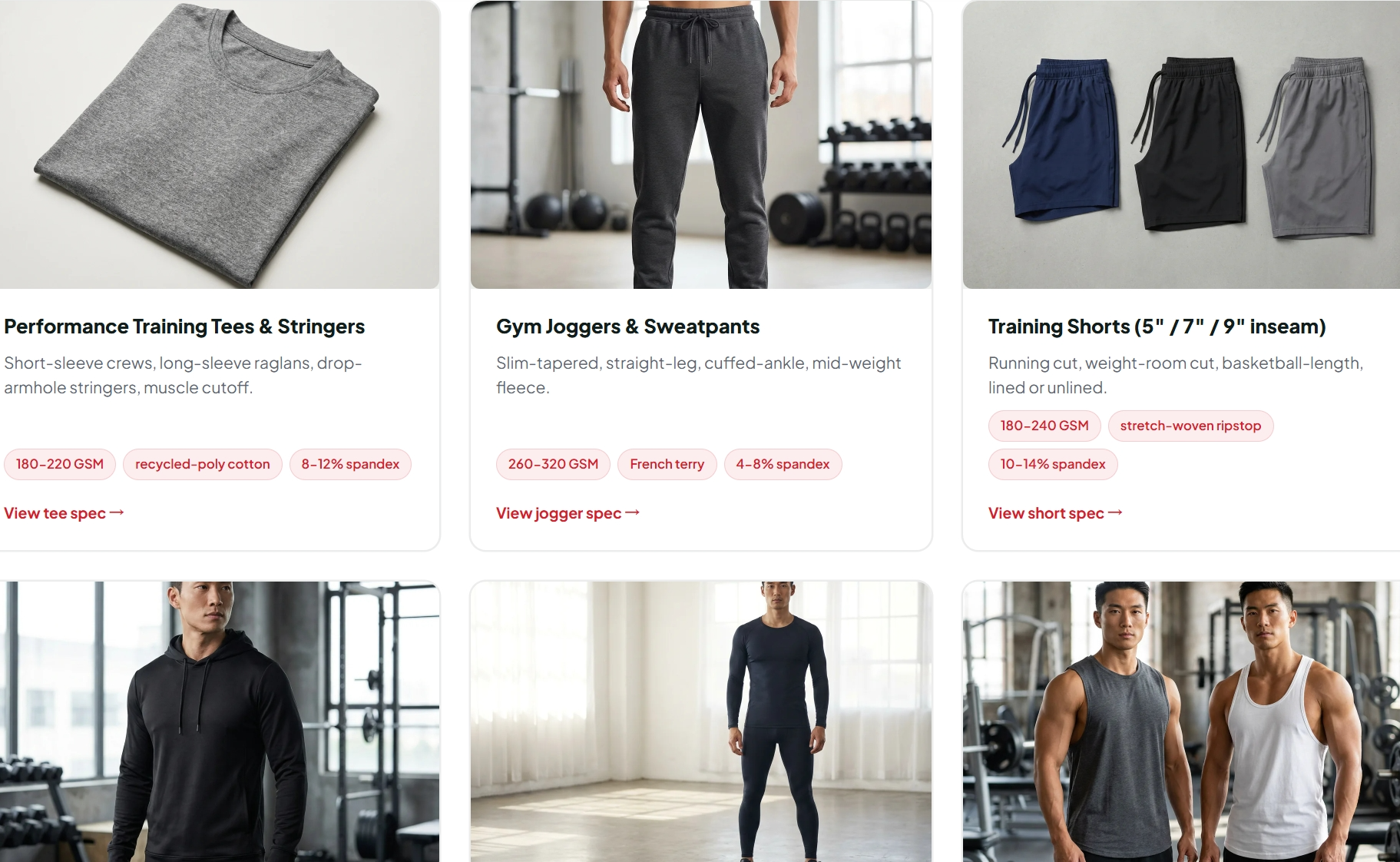
You're mid-set on a cold morning, quads locked into a deep squat, and you notice the guy next to you with sweatpants on, moving like his joints just work better than yours do right now. There's actual exercise physiology behind why moisture-wicking sweatpants and thermal-retention exercise clothing show up on serious lifters more often than casual gym-goers realize. It's about what happens to muscle temperature, joint mechanics, and skin integrity when you train bare-legged versus covered. Below, I'll break down five specific, physiologically-grounded reasons sweatpants earn a permanent spot in a smart training wardrobe, plus the one scenario where you're better off skipping them entirely.Brands developing custom sweatpants often use these performance factors to define fabric and fit requirements.
Enhanced Warm-Up Efficiency & Muscle Performance
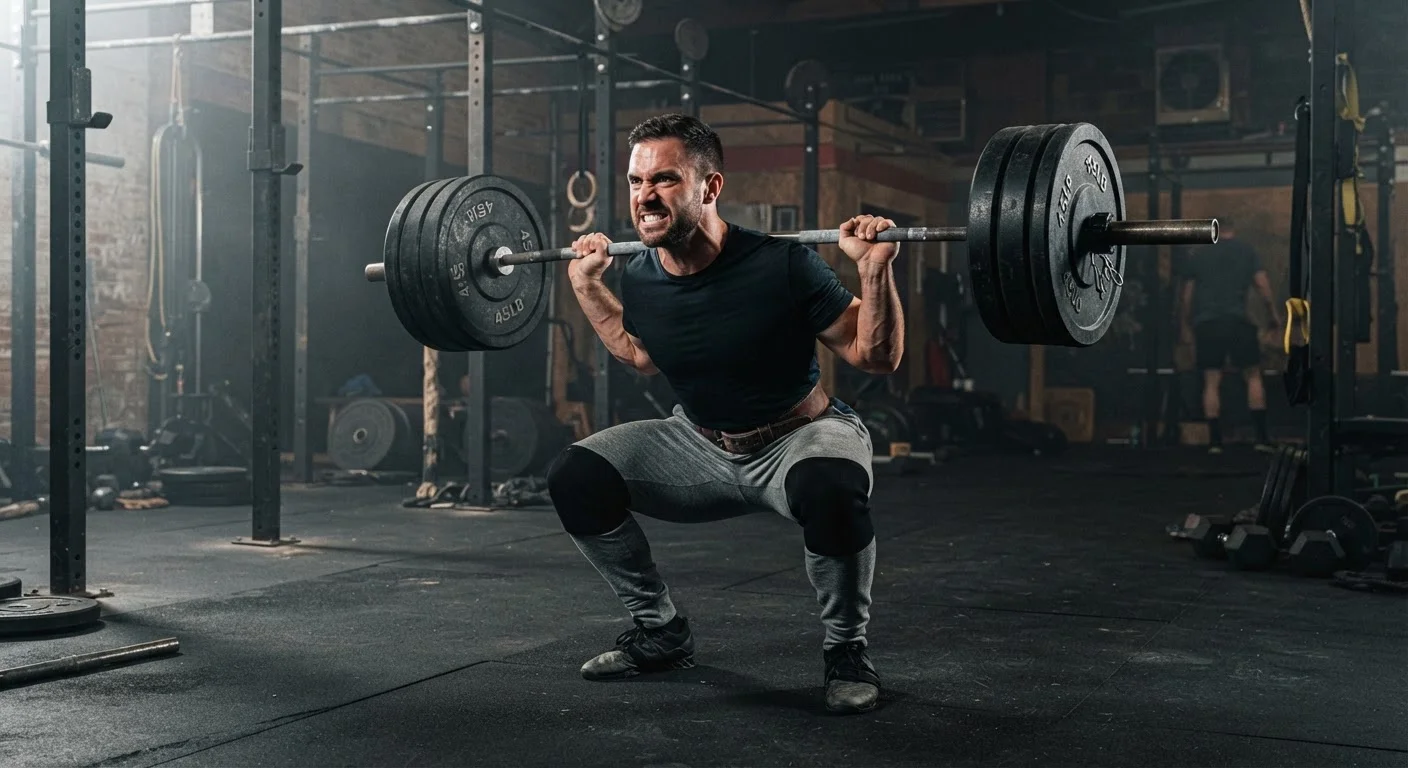
The number one predictor of how fast your muscles fire is how warm your muscle tissue is. A recent research review found that warm-ups boost both voluntary and evoked force output, and the benefit shows up when the warm-up raises muscle warmth during exercise, not just when you're moving around and breaking a light sweat.
This is where thermal retention exercise clothing does real work. A 2025 research summary out of Edith Cowan University found that elevated muscle temperature directly speeds up the contraction rate and force output of your muscles. The effect is most noticeable during explosive, high-power movements, like your first heavy squat set or the initial pull off the floor on a deadlift. That's not a minor edge. A systematic review and meta-analysis backed this up, confirming warm-up as a legitimate performance enhancer and not just a pre-lift ritual you do out of habit.
Sweatpants change this in three ways. A specialized sweatpants manufacturer can adjust insulation levels and fabric weight for different training climates.They trap heat before you even start moving, so bare legs in a cold gym lose warmth fast while sweatpants hold onto that early heat, letting your quads and hamstrings hit working temperature quicker. This leads to faster force production: a 2023 Sports Medicine review lists temperature increase and neuromuscular activation as the two core mechanisms behind warm-up benefits, and sweatpants directly support the first. They also give you better carryover into your working sets, with a narrative review on resistance training calling warm-up "indispensable" before lifting and noting the biggest gains come when the warm-up matches the intensity of what's coming next.
A practical structure is 3–5 minutes of general movement to raise temperature, then 2–4 progressively heavier sets, finishing with near-task-intensity prep sets. Do that in a decent pair of moisture wicking sweatpants, and your legs are primed and genuinely warm by the time the working weight hits the bar.
berunactivewear.com
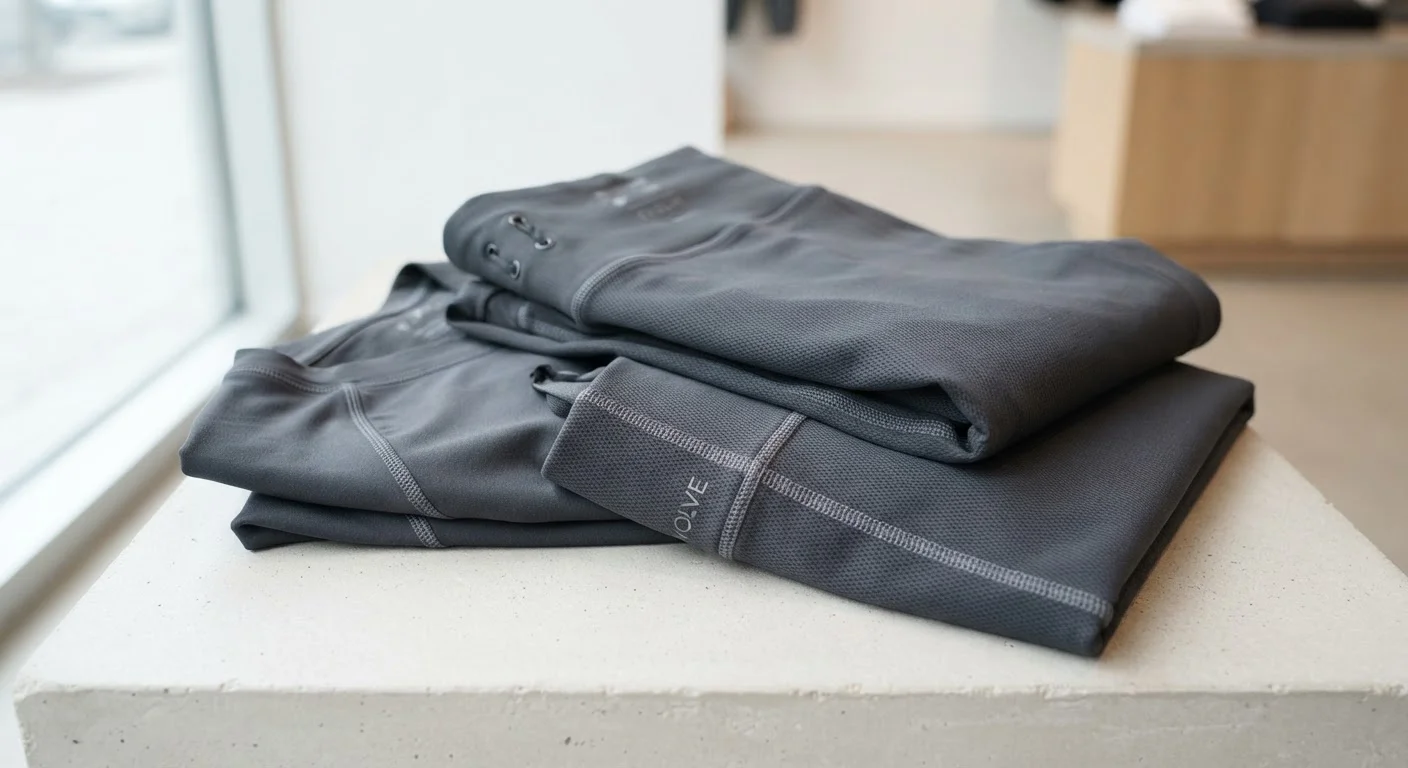
Finding a pair of compression sweatpants men actually trust for daily training often comes down to who's making them. BeRunactivewear runs an 8,500 m² facility with 12 production lines and 380,000 pieces a month in capacity. At that scale, moisture wicking sweatpants and breathable sweatpants material options don't get bottlenecked. What matters more for guys testing gym attire for men is the MOQ of just 100 pieces per SKU across XS–XXL. That's low enough for a serious lifter, coach, or small brand to trial joint protection workout clothes without committing to a warehouse full of stock. Sample fees get credited back on bulk orders too. Quotes turn around in 24 hours, which is useful when you're trying to nail down injury prevention workout gear before winter training season hits.
Reduced Skin Abrasions & Equipment Scrapes
Ask any lifter who's done barbell complexes on leg day, and they'll show you the scars. Shin scrapes from a bar rolling down mid-clean. Knee burns from crawling reps on turf. Calf abrasions from a leg press platform that bites back when your form slips. They're annoying, and they add up over months of training.
Medically speaking, an abrasion is superficial denudation of skin from scraping, dragging, or friction against a rough surface. It usually doesn't go past the epidermis, but it can bleed when the dermal papillae get disrupted. It stings enough to mess with your focus on the next set. Small ones heal in about a week. Bigger ones can take up to two weeks, especially if debris from gym flooring or equipment coating gets embedded in the wound.
Flexible workout pants earn their keep as legitimate injury prevention workout gear.Many fitness brands choose OEM sweatpants to develop abrasion-resistant training collections. A layer of breathable sweatpants material between your skin and a knurled bar, a rough platform edge, or gritty turf acts the same way protective gloves do for warehouse or construction workers handling abrasive surfaces all day. It's a friction buffer.
These are the exercises where this matters most:
Olympic lifts - bar contact against shins during cleans and high pulls
Ground-based work - bear crawls, sled drags, floor sprints on rough turf
Machine-based leg work - sustained skin contact on leg press or hack squat pads
Sweat absorption fabric wicks moisture and keeps the pant fabric from bunching or riding up, which is often what exposes bare skin to the equipment in the first place.
Improved Sweat Management & Body Comfort
Sweat doesn't distribute evenly across your body during a workout. Research on male runners found sweat absorption in shirts dropped from top to bottom and from center to sides, with the mid-back and low front hem soaking up the most moisture. Your legs work the same way. Certain zones — your inner thighs, the backs of your knees, your lower back — accumulate more sweat than others, and that uneven load is exactly where discomfort and chafing start.
This is why moisture-wicking sweatpants matter more than just keeping you dry. Good sweat absorption fabric uses directional wicking, pulling moisture away from those high-accumulation zones and pushing it toward drier areas where it can evaporate faster.ODM sweatpants programs allow brands to customize moisture-wicking fabrics without building new patterns from scratch. One bioinspired textile modeled on desert lizard skin achieved one-way sweat transfer in two seconds, nearly doubling evaporation rate from 0.17 to 0.33 grams per hour. That translated into roughly 1.07°C of passive body cooling, a real physiological effect.
Core temperature during intense training climbs fast. One study clocked a rise from 37.0°C to 38.6°C in under an hour, alongside sweat accumulation over 580 grams per square meter. That's the environment your gym attire for men needs to handle. Breathable sweatpants material with a low-retention top layer — microfiber polyester shows up often in double-face knit designs — keeps that sweat from sitting against your skin and turning a hard set into a clammy, distracting mess.
Where this shows up in real training:
Long runs or cardio circuits — sustained sweat output without breaks to air out
Supersets and circuit training — minimal rest means moisture builds fast
Humid gym environments — poor ventilation compounds retention issues
Compression sweatpants for lower-body work benefit doubly here. The snugger fit moves moisture along the fabric surface faster, since there's less air gap slowing evaporation down.
Increased Calorie Expenditure & Sweat Output
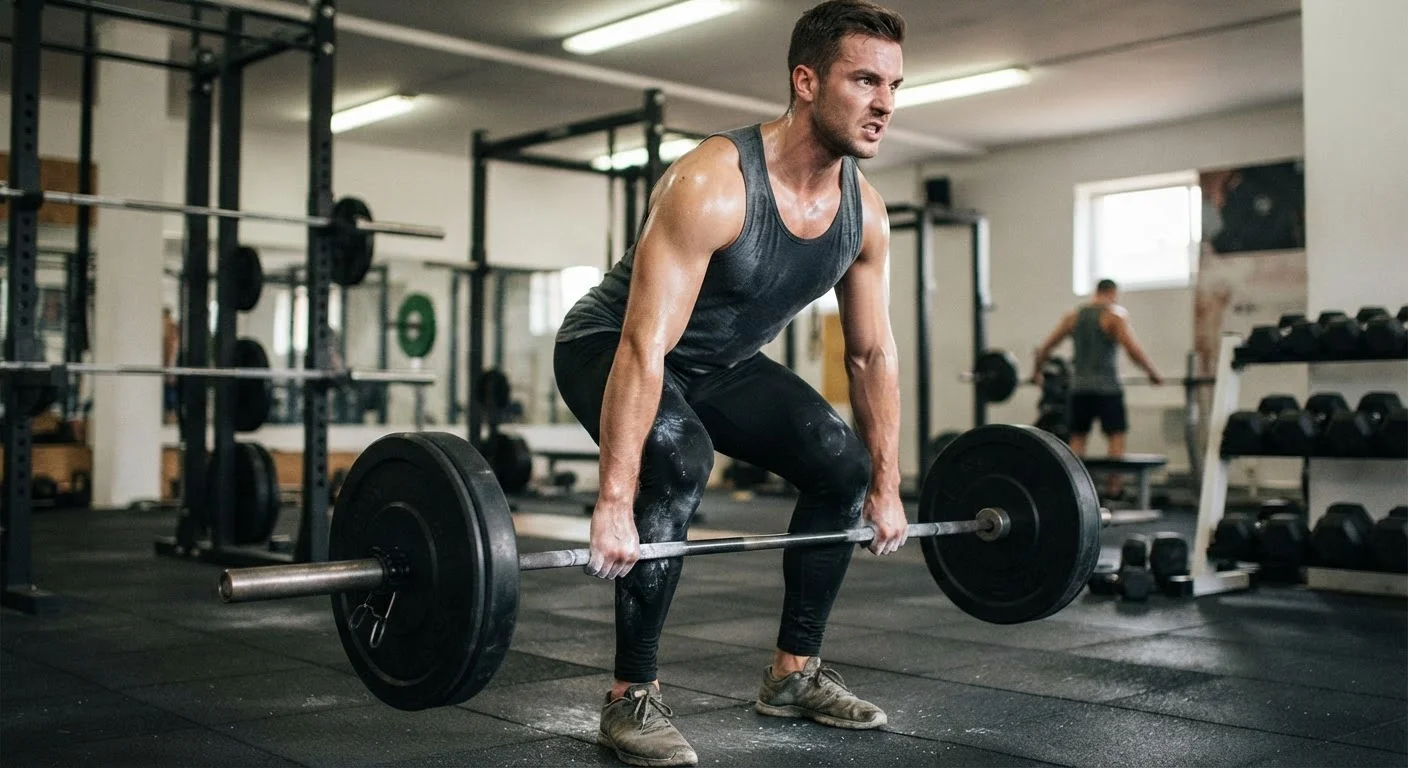
Sweating more in your sweatpants doesn't mean you're burning more calories. Sweating is your body's cooling mechanism. The real work of energy expenditure happens through muscle contraction – your heart and ventilation muscles chip in during hard training. Exercise intensity and duration determine calorie burn. Sweat is just your body's cooling response.
Heat changes things. Train in a hot room, wear moisture-wicking sweatpants, or join a heated class, and your sweat output can spike while your calorie burn barely moves. Heat stress raises heart rate and body temperature; it doesn't scale energy expenditure the same way. That heavy, sweat-soaked feeling after a session is mostly water loss, and rehydrating brings it back.
There's another layer. Guys who are heat-acclimated or better conditioned tend to sweat sooner and more at the same workload. That's efficient thermoregulation.
Track effort with better markers: workload and resistance, heart rate during the set, pace or duration for cardio, and estimated METs for the activity. Retailers often compare a reliable sweatpants supplier and custom wholesale price sweatpants before placing larger training apparel orders.Sweat output tells you about heat load.
Psychological Security & Social “Fit” in the Gym
Walking into a new gym triggers more anxiety than most men admit. Researchers have measured this. A study of 357 college students found gym intimidation wasn't rare or imagined—freshmen showed significantly higher gym avoidance than upperclassmen (F(3,353)=3.18, p=0.007), and even active, regular gym-goers scored moderate anxiety on standardized measures. Social exercise self-efficacy averaged just 347 out of 500. It's the baseline experience for a lot of guys stepping onto a gym floor.
Part of what drives this is perceived mismatch with the “dominant gym group,” typically read as young, lean, confident, and visibly competent. When you don't feel like you fit that mold, the threat is environmental. Clothing plays into this more than people realize. Research on gym-goers found that wearing socially preferred, well-fitting clothing helped people negotiate status and belonging in that space, rather than feeling like an outsider in someone else's territory.
Compression sweatpants men reach for do quiet psychological work. Flexible workout pants that fit well and move naturally through a squat or deadlift signal to your brain that you're dressed like someone who trains seriously.
Social mechanisms reinforce this feeling. Coach-led instruction and clear scaling norms reduce psychological threat, as one CrossFit gym case study showed. A nonjudgmental dress culture means sweatpants or shorts draw zero attention either way. In performance-first environments, lifting numbers matter more than how your legs look doing it.
Comfort in your gym attire is one less variable pulling focus away from the lift in front of you.
Conclusion
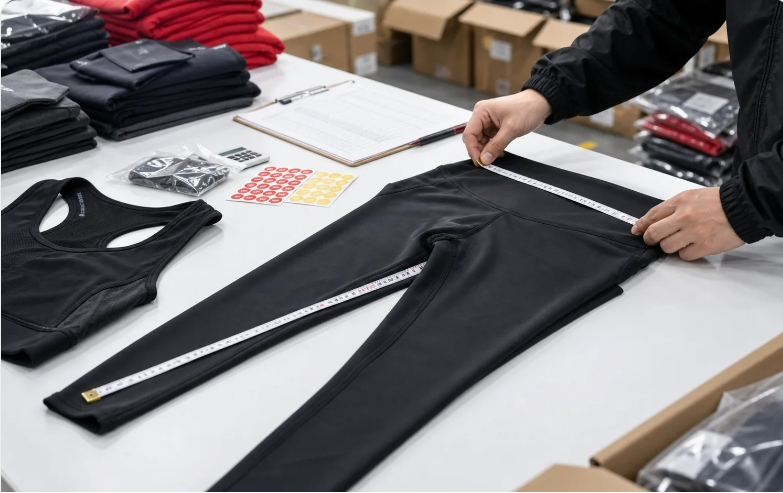
Sweatpants are a legitimate piece of training equipment when used right. If you're grinding through winter squats where cold muscle tissue means real strain risk, or you're the guy who's left the gym with rope burn on his shins from one too many deadlift sessions, moisture wicking sweatpants and joint protection workout clothes solve problems your shorts never could. The muscle warmth during exercise translates directly into better range of motion, fewer nagging injuries, and a warm-up that sticks.
If your session is heavy on burpees or sprint work where overheating becomes the enemy, ditch the pants and let your skin breathe. Cold environment, heavy lifting, or extended stretching—suit up. High-intensity cardio in a warm room: shorts win.
Go try a pair on your next lifting day. Your knees will thank you.Performance brands can scale future training sweatpants collections after validating fit and fabric performance.